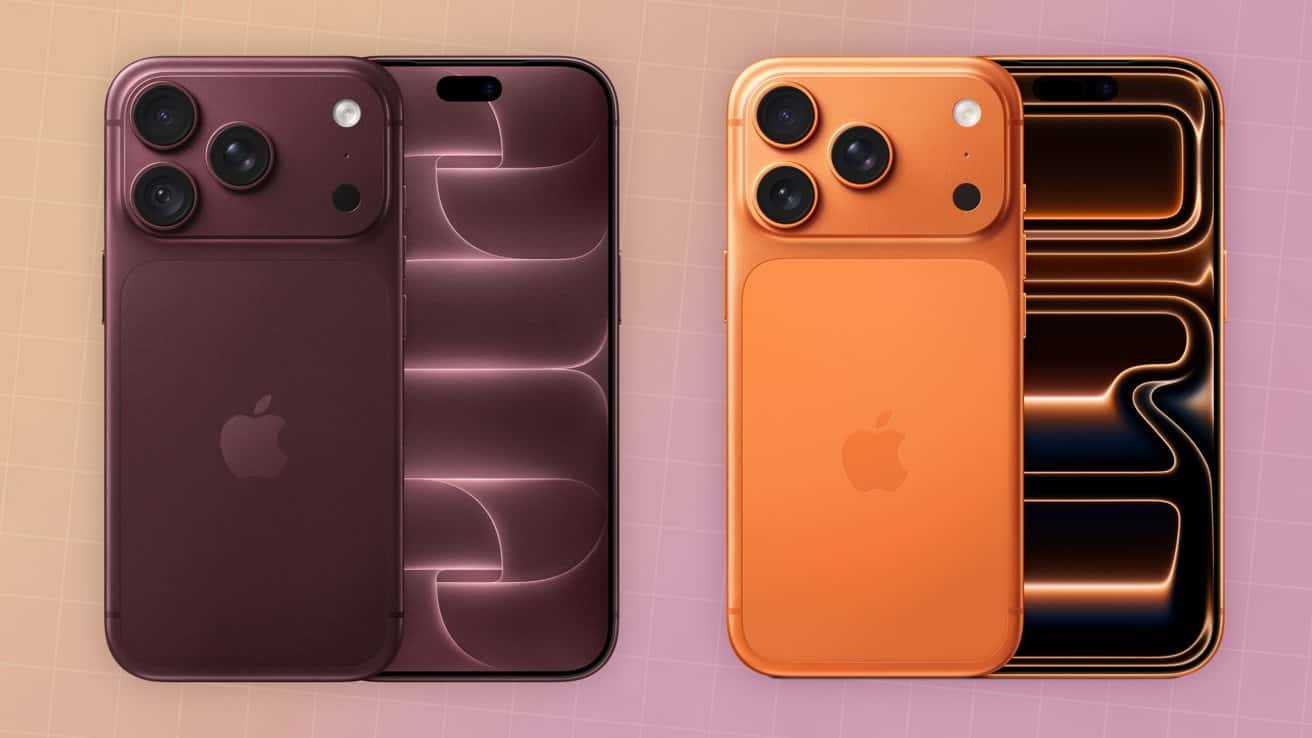
Apple trims the Dynamic Island, adds A20 Pro power, and improves thermals without a major redesign
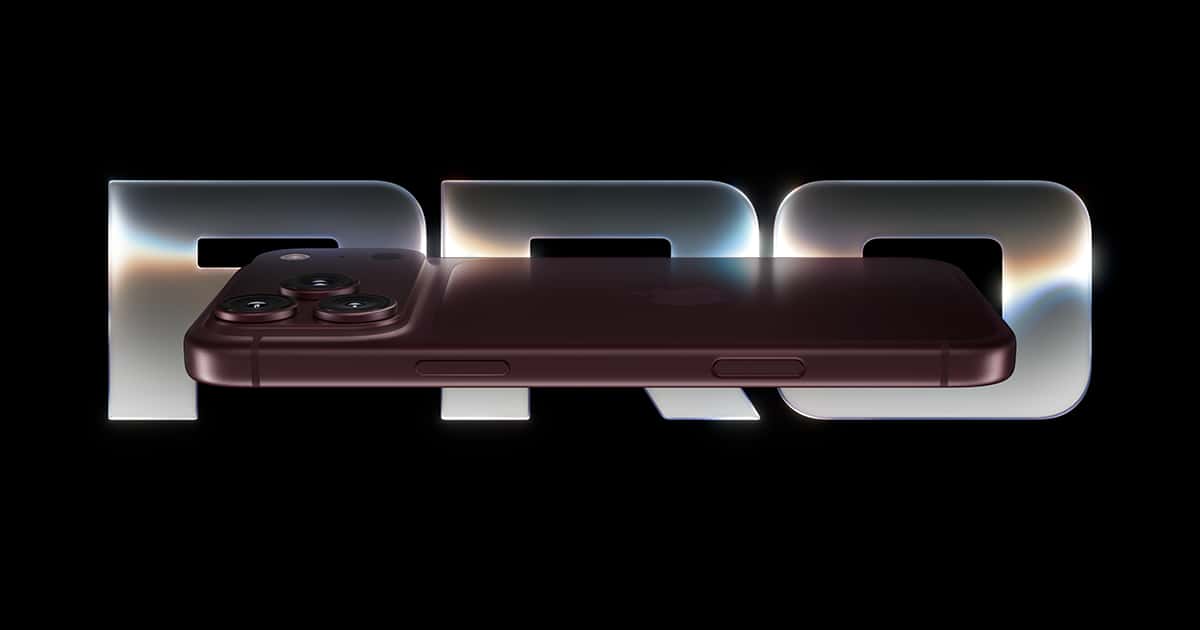
Apple’s iPhone 18 Pro keeps the same broad design as last year’s Pro model, but adds a smaller Dynamic Island, a new A20 Pro chip built on a 2 nm process, and camera changes including variable aperture controls.
Apple says the iPhone 18 Pro delivers up to 40 percent better sustained performance than the iPhone 17 Pro and up to 100 percent better than the iPhone 16 Pro, largely because of a larger vapor chamber and revised chip packaging aimed at reducing heat.
Apple says the iPhone 18 Pro offers up to 36 hours of offline video playback, up from 33 hours on the iPhone 17 Pro, and uses Apple’s C2 cellular modem, which the company says is more energy efficient than the Qualcomm modem in the prior model.
Review: The iPhone 18 Pro is a faster, cooler-running update that matters more for buyers upgrading from older iPhones than for current iPhone 17 Pro owners, reflecting Apple’s shift toward incremental Pro upgrades while saving bolder hardware ideas for newer form factors.
Apple’s iPhone 18 Pro is a clear example of where its flagship phone strategy now stands. The company updated performance, battery life and camera controls, while leaving the overall look of the Pro line mostly intact.
Review: The iPhone 18 Pro is a refinement-first upgrade, with Apple focusing on thermals, battery life and sustained graphics performance rather than a dramatic redesign, a move that matters because the smartphone market has become less about annual replacement and more about holding on to premium devices for longer.
The headline hardware change is the A20 Pro, which Apple says moves from the 3-nanometer process used in the A19 Pro to 2 nm. The chip has a 6-core CPU with four efficiency cores and two performance cores, plus a seven-core GPU. Apple also says the phone includes a dual 16-core Neural Engine and the “widest memory interface ever shipped in an iPhone,” with 50 percent more bandwidth, language that points to future on-device AI headroom as well as today’s visible gains.
That matters because Apple is trying to thread a tricky needle in the premium market. The company needs the Pro line to justify its pricing without making last year’s model feel obsolete overnight. So the pitch here is not that the iPhone 18 Pro changes what a phone is. It’s that the device gets out of its own way more often, especially when heat, battery drain or Apple’s historically rigid camera processing would have been the limiting factor.
Apple says the biggest practical improvement comes from thermal management. The company reworked chip packaging so the system-on-a-chip sits next to memory rather than stacked on top of it, according to the source review, and paired that with a larger vapor chamber and a copper material on the display plate. Apple says that adds up to up to 40 percent better sustained performance versus the iPhone 17 Pro and up to 100 percent better than the iPhone 16 Pro.
Apple says sustained performance on the iPhone 18 Pro is up to 40 percent better than the iPhone 17 Pro, a notable claim for a generation that otherwise looks incremental.
For users, that thermal story is more important than a synthetic benchmark chart. Overheating on a dashboard during summer navigation, or throttling during gaming and video streaming, is the kind of problem people remember. Apple’s Pro iPhones have been fast for years. Running cooler is the more tangible upgrade now.
Design changes are present, just not in the way consumers typically mean when they say “new iPhone.” The iPhone 18 Pro still looks a lot like last year’s handset, but Apple has shrunk the Dynamic Island by moving the IR camera under the OLED panel in the top-left area of the screen. A revised pixel arrangement lets infrared light pass through that section, while the pixels there operate at twice the brightness to offset lower density, according to the source material. The payoff is that Apple can now show up to three Live Activities at once in the Dynamic Island region, instead of one.
That is a very Apple kind of update. It turns a visual compromise into a software feature, then makes the compromise slightly less visible. For buyers comparing this phone to foldables or more visually aggressive Android hardware, that probably will not read as exciting. For heavy iPhone users who live in timers, ride-share alerts, sports scores and navigation prompts, it is the sort of low-key interface improvement that sticks.
On battery life, Apple says the iPhone 18 Pro can deliver up to 36 hours of offline video playback on a single charge, compared with 33 hours for the iPhone 17 Pro. The iPhone 18 Pro Max is rated for up to 45 hours, versus 39 hours for the 17 Pro Max. Apple also swapped in its proprietary C2 modem, which the company says uses less energy than the Qualcomm modem in the previous model. Wireless charging is rated at up to 25 W.
Those figures fit a broader trend in smartphones, especially at the high end. Buyers are keeping phones longer, carriers are stretching upgrade cycles, and the easy wins in display quality and everyday speed have mostly already happened. That leaves battery longevity, heat management and durability as the places where premium phones can still make a credible case for spending more. Apple is hardly alone in that shift, but it has become especially visible in the Pro iPhone line.
The camera system follows the same logic. The rear setup remains a triple-48 MP system, paired with the same front-facing 18 MP camera as last year’s iPhone 17 Pro. The new marquee feature is variable aperture, alongside expanded manual controls in the Camera app and Photographic Styles 3, which now adds texture options including film, glow, soft skin and standard. Previously, Photographic Styles were essentially color balance presets.
That package says something about Apple’s current posture. For years, one of the main complaints from more serious mobile photographers was that the iPhone camera made too many decisions for them. Apple’s computational photography often produced strong images, but with a distinctly Apple look and not much room to steer. The 18 Pro does not abandon that philosophy, though it does carve out more room for users who want to override it. In that sense, the update is less about turning the iPhone into a pro camera than about making it a little less opinionated.
The background
The bigger strategic point is that Apple appears to be splitting its iPhone ambitions into two tracks. Newer products such as last year’s iPhone Air and this year’s iPhone Duo are where the company seems willing to place bolder industrial design bets, according to the source material. The Pro line, by contrast, is settling into a workhorse role: denser spec sheet, more niche controls, fewer visual surprises.
That is not necessarily bad news for Apple. Where the iPhone remains the default premium handset for a large share of consumers, predictability sells. It also creates room for segmentation. A buyer who wants novelty can chase thinner hardware or a different form factor. A buyer who wants the safest high-end choice can buy the Pro and know exactly what they are getting. The risk, of course, is that the Pro line starts to feel like a very expensive maintenance release. This year, Apple avoids that trap mostly because the thermal and battery gains sound meaningful, even if they are not flashy.
The source is also pretty blunt about upgrade timing. If you already own an iPhone 17 Pro, there is little reason to move. The same appears broadly true for many iPhone 16 Pro users. Owners of an iPhone 15 Pro may also be fine if battery health is still holding up. Go back further, and the cumulative effect of cooler operation, stronger graphics, better battery life, new camera controls and interface tweaks starts to look more persuasive.
What's next
The next real question is whether Apple can keep the Pro line compelling if its biggest ideas keep migrating elsewhere. The immediate trigger is the arrival of the iPhone Duo next month, which the source positions as the flashier hardware story. If that device captures the attention and the Pro becomes the dependable but dull option, Apple may have to decide how much incrementalism the top of its lineup can absorb before buyers start waiting even longer between upgrades.
Frequently asked questions
Is the iPhone 18 Pro a big upgrade over the iPhone 17 Pro?
The iPhone 18 Pro looks like an iterative upgrade rather than a full redesign. Its biggest gains appear to be better sustained performance, cooler operation, a smaller Dynamic Island, and new camera controls.
Why is the iPhone 18 Pro described as Apple’s coolest smartphone?
The phrase points to thermal performance, not styling. Apple says the phone stays cooler under heavy workloads thanks to a larger vapor chamber and efficiency gains from the A20 Pro chip.
What is new on the iPhone 18 Pro camera system?
One of the notable additions is variable aperture control, which gives users more flexibility over light intake and depth effects. That can help both casual shooters and more advanced users fine-tune photos in different lighting conditions.
How much faster is the iPhone 18 Pro than older Pro models?
Apple says the iPhone 18 Pro can deliver up to 40 percent better sustained performance than the iPhone 17 Pro and up to 100 percent better than the iPhone 16 Pro. Those gains matter most in gaming, video editing, and other long-running tasks where heat can slow phones down.
Does the iPhone 18 Pro have a new design?
Not really in broad terms, because Apple has kept the overall Pro design language from last year. The most visible external tweak is a smaller Dynamic Island rather than a dramatic new look.
Should iPhone 17 Pro owners upgrade to the iPhone 18 Pro?
If you care most about cooler sustained performance, camera flexibility, and small refinements, the iPhone 18 Pro may be worth a look. If you were hoping for a major redesign, the update sounds more modest and may be easier to skip.