Investors react cautiously to Meta's capital-intensive AI agent strategy, signaling a transformative shift for digital interaction and India's tech future.
Meta Shares Tumble as Mark Zuckerberg Bets Big on AI Agents: A Visionary Push with Deep Implications for India's Tech Horizon
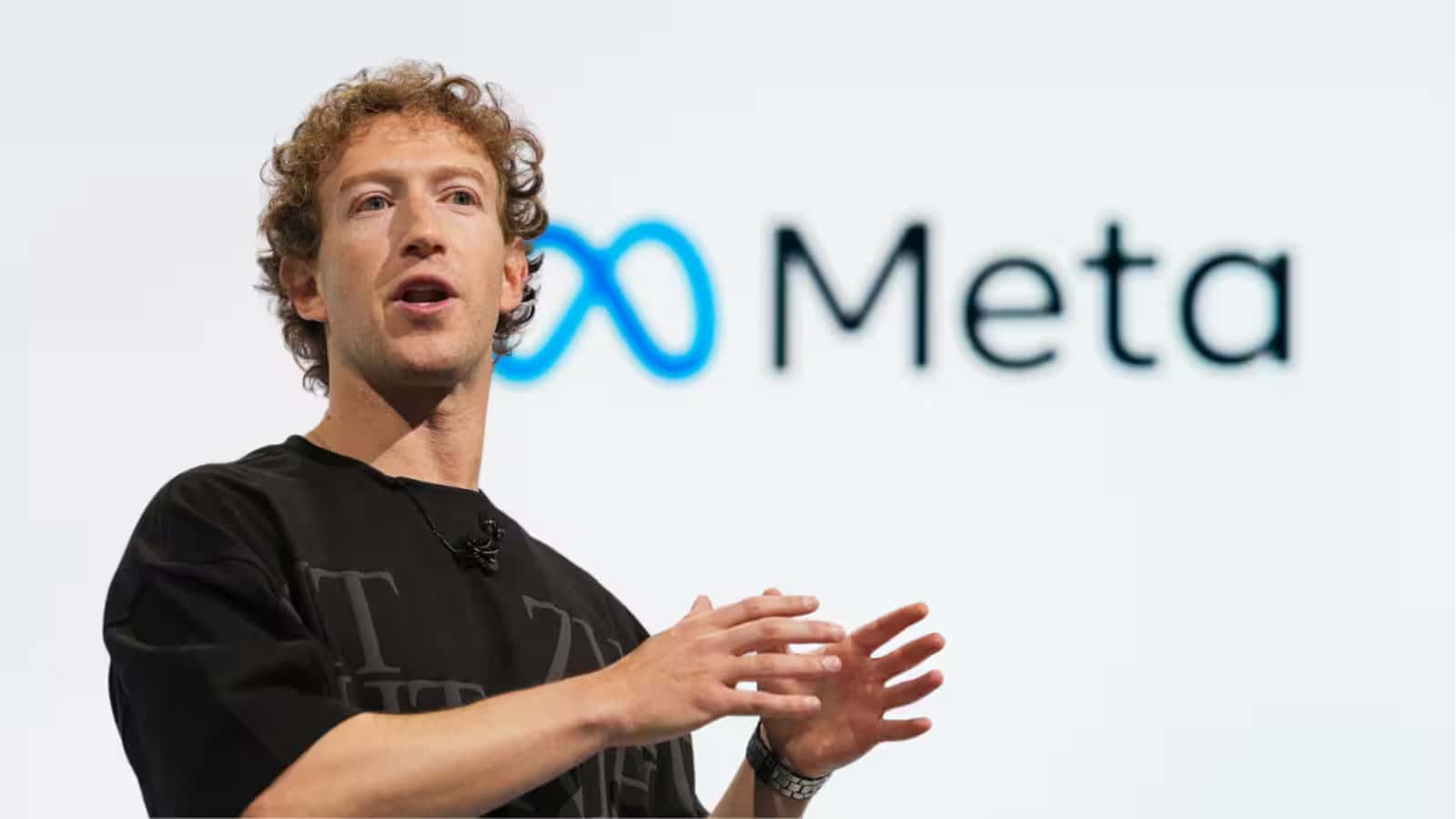
Mark Zuckerberg's ambitious vision for AI agents has led to a market downturn for Meta shares, reflecting investor caution on long-term, capital-intensive bets.
This global pivot towards advanced AI agents signals a transformative shift in digital interaction, presenting both challenges and unprecedented opportunities for India's burgeoning tech ecosystem.
For Mark Zuckerberg, the path to the future has rarely been linear or without significant market skepticism, a pattern that once again played out as Meta shares tumbled following his latest pronouncements on the company’s deep dive into AI agents. It was a moment that underscored the perpetual tension between a founder's audacious, long-term vision and the market's demand for immediate, tangible returns. Zuckerberg’s conviction, however, appears unwavering, as he steers Meta firmly towards a future where intelligent, autonomous AI entities fundamentally reshape how we interact with technology and each other. What started as a small idea within Meta’s expansive R&D labs has rapidly evolved into a strategic imperative: the development of sophisticated AI agents designed to perform complex tasks, offer hyper-personalized experiences, and integrate seamlessly across Meta’s vast array of platforms. This isn't merely about enhancing existing features with AI; it's about creating a new paradigm of digital assistance and interaction. The motivation for Zuckerberg is clear—to ensure Meta remains at the forefront of the next wave of computing, just as it did with social networking and is attempting with the metaverse. This push is fueled by a belief that AI agents will become as ubiquitous and indispensable as smartphones are today, moving beyond simple chatbots to truly intelligent companions and assistants that can learn, reason, and act on behalf of users. The building phase for this ambitious vision has seen Meta pour billions into AI research and infrastructure. Over the past few years, the company has ramped up its talent acquisition in machine learning, invested heavily in advanced GPU clusters, and open-sourced significant AI models like Llama, aiming to accelerate innovation across the broader AI community while also strengthening its own capabilities. This strategy, much like its earlier, massive investment in the metaverse, signals a readiness to endure short-term financial headwinds for what Zuckerberg perceives as a potentially monumental long-term gain. The sheer scale of this investment reflects the complexity of developing AI agents that can not only understand natural language but also navigate complex digital environments, execute multi-step tasks, and adapt to individual user preferences with genuine intelligence. Currently, while the market has reacted with a tumble in Meta shares, indicating investor unease over the massive capital expenditure and the long horizon for profitability, the underlying technological progress continues at a rapid pace. This market reaction is not entirely new for Meta; its pivot to the metaverse also saw significant investor skepticism and share price fluctuations. Yet, Zuckerberg remains committed, framing these investments as necessary for future relevance. The company is actively integrating initial versions of these AI agents into its messaging platforms, offering tools that can help users plan trips, generate creative content, or even code, albeit in early, foundational forms. These initial integrations, while not revenue-generating in a significant way yet, represent the foundational layers of a future ecosystem. The vision for these AI agents extends far beyond simple conversational bots; it encompasses a future where these entities become personal digital extensions, managing schedules, filtering information, and even mediating complex interactions. For India, a nation rapidly digitizing and embracing AI, the implications are profound. The rise of sophisticated AI agents could unlock unprecedented levels of digital inclusion and economic opportunity. Imagine AI agents capable of understanding India's diverse linguistic landscape, providing tailored services in local dialects, or helping small businesses navigate complex digital marketplaces. This represents a significant shift from generic digital tools to highly personalized, culturally aware assistants. The market context for Meta's AI push is one of intense competition, with giants like Google, Microsoft, and a constellation of well-funded startups racing to dominate the AI agent space. Each player is betting on a different facet of the technology, from foundational models to specialized applications. Meta's strategy of open-sourcing its models aims to foster a broader ecosystem, potentially positioning its platforms as the preferred environment for deploying these agents. This approach, while sometimes criticized for giving away intellectual property, can also accelerate adoption and establish de facto standards, much like Android did for mobile operating systems. The shift from large language models (LLMs) to autonomous agents is a clear trend line, indicating that the industry is moving beyond simply understanding text to systems that can autonomously perform actions based on that understanding. This transition requires overcoming significant technical hurdles, including robust reasoning capabilities, enhanced memory, and ethical guardrails to prevent misuse. My read is that Zuckerberg's willingness to absorb short-term market pain for a long-term strategic advantage, while risky, has historically paid off for Meta. The market’s initial reaction often discounts the transformative potential of such foundational shifts. What strikes me here is the sheer scale of investment in a technology that promises to redefine human-computer interaction. For India, this global AI acceleration creates both a challenge and an immense opportunity. The demand for AI talent, particularly those skilled in agent development, machine learning, and natural language processing for diverse languages, is set to skyrocket. Indian startups have a unique opportunity to build specialized AI agents tailored for local contexts, whether in agriculture, healthcare, or education, leveraging the foundational models provided by Meta and others. This could position India not just as a consumer, but as a significant innovator and exporter of AI agent technology, driving substantial growth in its tech sector. Ultimately, this bold bet by Mark Zuckerberg on AI agents signifies a pivotal moment in the evolution of technology. It underscores the belief that the future of digital interaction will be defined by intelligence, personalization, and autonomy, rather than mere connectivity. For India, this means a future ripe with possibilities for its entrepreneurial spirit and technological prowess, offering a chance to leapfrog traditional development paths and carve out a significant role in the global AI-driven economy.
Frequently asked questions
What caused Meta shares to tumble?
Meta shares tumbled following Mark Zuckerberg's ambitious presentation on AI agents, as investors expressed caution over the long-term, capital-intensive nature of these new technological bets. The market reacted to the significant investment required and the time horizon for returns.
What is Mark Zuckerberg's vision for AI?
Mark Zuckerberg envisions a future dominated by advanced AI agents that will transform digital interaction and create new ways for users to engage with technology and information across Meta's platforms.
How are investors reacting to Meta's AI strategy?
Investors are reacting with caution to Meta's AI strategy, particularly due to the substantial capital expenditure and the long-term nature of the returns, leading to a market downturn for Meta shares.
What are AI agents?
AI agents are advanced artificial intelligence systems designed to perform tasks, interact with users, and operate autonomously across digital environments, often tailored to specific user needs or functions.
What are the implications of Meta's AI pivot for India?
Meta's pivot towards advanced AI agents has deep implications for India's tech horizon, potentially influencing digital innovation, startup ecosystems, and the future of digital interaction within the country.
Is Meta investing heavily in AI?
Yes, Meta is making significant, capital-intensive investments in developing advanced AI agents, signaling a major strategic shift towards artificial intelligence as a core component of its future.