Irizar's new FCEV coach challenges assumptions about electric vehicle limits, signaling a shift in public transport investment strategies.
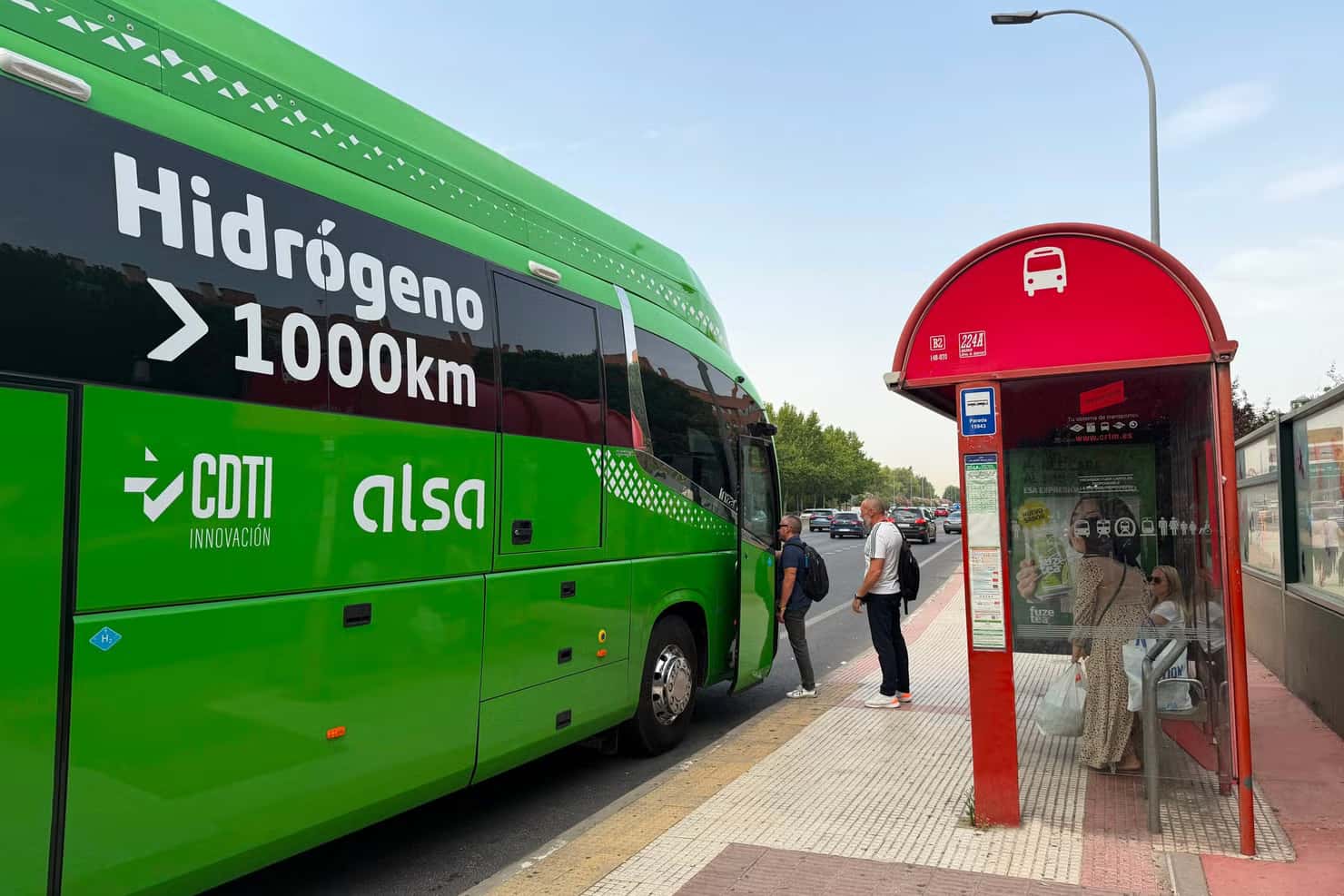
A hydrogen-powered bus boasting a 1,000-kilometer-plus range has been quietly operating with passengers in Spain since June, challenging conventional assumptions about fuel cell electric vehicle limitations and potentially recalibrating fleet investment strategies for public transport operators. This operational debut by Irizar's second-generation i6S Efficient H2 FCEV coach signals a significant leap in hydrogen mobility, offering a viable long-distance alternative that could influence capital allocation decisions in the rapidly decarbonizing heavy transport sector.
The Irizar coach, equipped with a 190-kW Bosch hydrogen fuel cell and an electric propulsion system, has been deployed on demanding intercity and long-distance routes by Spanish bus operator Alsa, under the supervision of the Madrid region’s public transport authority CRTM. This real-world testing validates the technology’s readiness for sustained commercial deployment, with Irizar announcing production availability in the first half of 2027. The ability to refuel in approximately 10 to 15 minutes underscores its operational parity with traditional diesel vehicles, a critical factor for maintaining service schedules and asset utilization rates.
This development surpasses previous industry benchmarks, notably Hyundai's Universe FCEV, which held a certified maximum range of 960.4 kilometers. The Irizar vehicle's performance suggests that range anxiety, a historical impediment to hydrogen adoption in heavier transport segments, is being systematically addressed. Bosch confirmed the technology's maturity, stating that fuel cells are particularly well-suited for long-distance buses that have infrequent charging opportunities, positioning this trial as a clear demonstration of large-scale deployment readiness.
What Does This Mean for the Market?
The extended operational range of Irizar’s hydrogen bus introduces a compelling variable into the total cost of ownership (TCO) calculations for fleet managers. Longer ranges translate directly into reduced refueling frequency, potentially requiring fewer hydrogen stations per route and optimizing vehicle uptime, which directly impacts operational expenditure. This efficiency gain could narrow the financial gap between hydrogen and traditional diesel or even advanced battery-electric solutions for specific applications.
This quiet rollout also underscores a strategic shift among manufacturers, prioritizing real-world operational validation over headline-grabbing announcements, a maturity sign for the nascent hydrogen mobility sector. The proven capacity for extended operation, particularly in varying conditions, provides a stronger investment case for public and private entities considering significant capital outlays in hydrogen infrastructure and vehicle procurement. It could accelerate policy support and investment into hydrogen fueling networks across Europe, where decarbonization targets are increasingly stringent.
A 1,000-kilometer operational range signifies reduced operational downtime and potentially fewer required refueling stations per route, directly impacting fleet efficiency and capital expenditure forecasts for long-haul transport operators.
What Is the Background of Hydrogen in Heavy Transport?
The pursuit of viable, long-range zero-emission solutions for heavy-duty transport, including buses and trucks, has intensified as regulatory pressures mount to reduce greenhouse gas emissions. While battery-electric vehicles (BEVs) have made significant inroads in urban bus fleets and lighter commercial vehicles, their suitability for long-distance, heavy-payload applications remains constrained by battery weight, charging times, and infrastructure availability. Hydrogen fuel cell technology emerges as a promising alternative, offering a higher energy density per unit of weight compared to batteries, enabling extended ranges and rapid refueling.
European Union policy, notably its Hydrogen Strategy, actively promotes the development and deployment of hydrogen technologies across various sectors, including transport. This strategic push, coupled with national initiatives, creates a supportive ecosystem for companies like Irizar and Bosch. The collaborative effort between vehicle manufacturers, component suppliers, and public transport authorities, as seen in Madrid, is crucial for de-risking new technologies and building operational confidence among potential adopters. This builds on earlier advancements, such as the 960.4km range achieved by Hyundai's Universe FCEV, highlighting a clear industry trajectory towards greater efficiency and operational utility.
What Are the Challenges Ahead?
Despite this significant technical milestone, the widespread adoption of hydrogen buses still faces formidable headwinds, primarily centered on infrastructure, cost, and the availability of green hydrogen. The capital expenditure required for establishing a comprehensive network of hydrogen refueling stations remains substantial, often necessitating significant public subsidies or coordinated private investment across multiple stakeholders. While the Irizar coach’s rapid refueling time is advantageous, the lack of widespread station availability presents an operational bottleneck.
The total cost of ownership for hydrogen vehicles, while improving, often remains higher than conventional diesel counterparts, particularly concerning the cost of fuel cell components and the production cost of green hydrogen. Scaling up green hydrogen production—produced using renewable energy—is critical to ensure the environmental integrity of hydrogen mobility and to drive down fuel prices. Without substantial reductions in these costs, the economic case for broad fleet transitions may struggle against other decarbonization pathways, including advanced biofuels or battery-electric solutions with improving range and charging speeds.
Investors and industry watchers will be closely monitoring Irizar’s production ramp-up in the first half of 2027 and subsequent commercial deployments beyond the initial Spanish trials. Key indicators will include the pace of orders from other public transport operators, the expansion of supporting hydrogen refueling infrastructure, and policy developments at both national and European levels designed to incentivize hydrogen adoption. Progress in scaling green hydrogen production and reducing its cost will remain a critical determinant for the long-term financial viability and environmental impact of these advanced fuel cell solutions.
Frequently asked questions
What is the range of the new hydrogen bus?
The new hydrogen bus, an Irizar i6S Efficient H2 FCEV coach, boasts a range exceeding 1,000 kilometers on a single fill. This impressive capability challenges previous limitations associated with fuel cell electric vehicles.
Where is the hydrogen bus operating?
The hydrogen bus has been quietly operating with passengers in Spain since June.
What company manufactured this hydrogen bus?
The bus was manufactured by Irizar, specifically their second-generation i6S Efficient H2 FCEV coach.
How does this bus challenge FCEV limitations?
Its 1,000km-plus range significantly extends the operational possibilities for fuel cell electric vehicles, overcoming previous concerns about range anxiety.
When did the hydrogen bus begin operations?
It began operating with passengers in Spain in June.
What is the significance for public transport?
This operational debut signals a potential recalibration of fleet investment strategies for public transport operators, moving towards more sustainable, long-range FCEV options.