New Meta headset shifts chips and battery off the face to challenge Apple Vision Pro at a lower price.
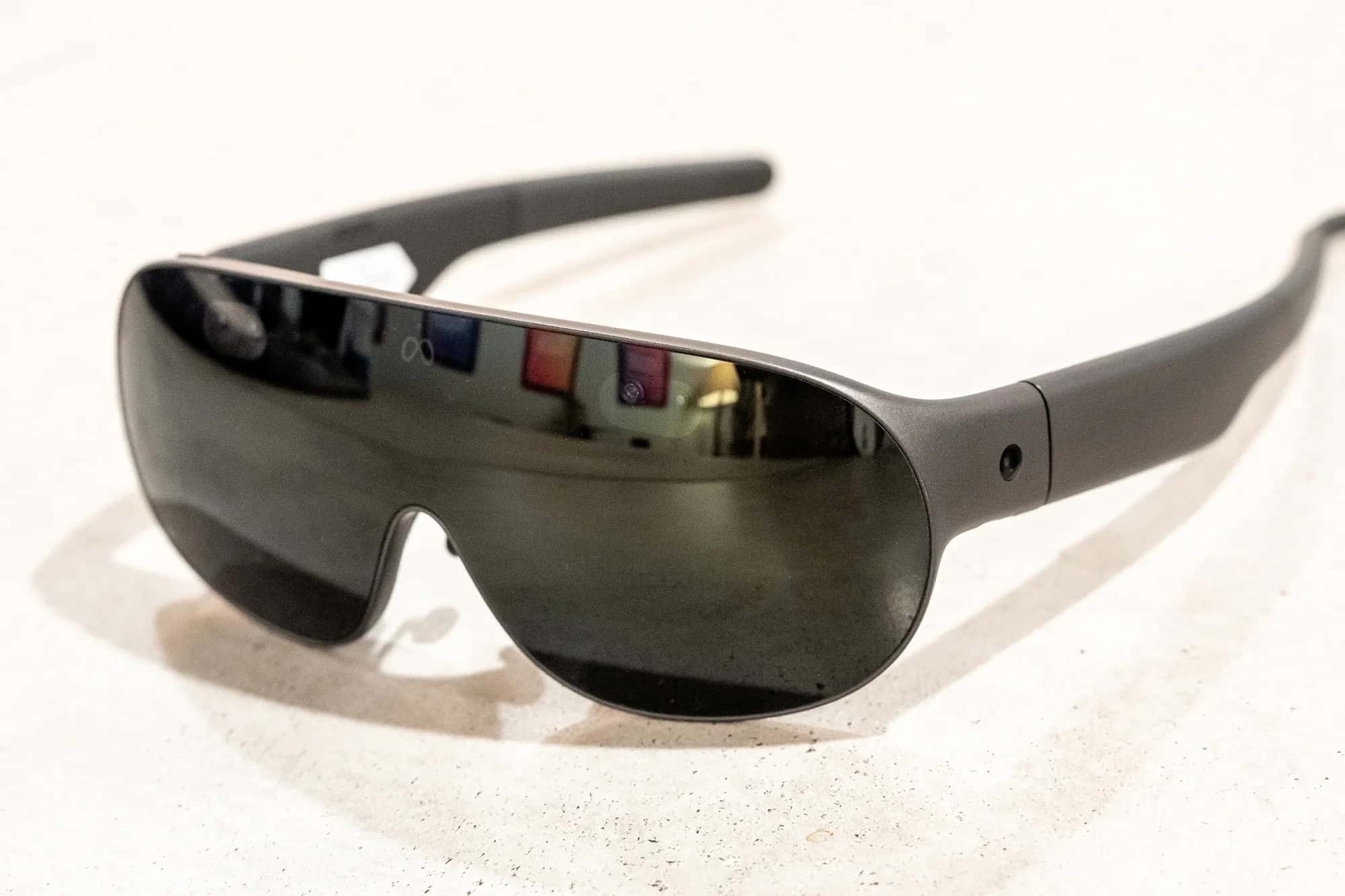
Meta Platforms on Wednesday launched Meta VR Glasses, a new $1,299 headset that shifts the processor, cooling fan, battery and other computing components into an external pack, making the display unit lighter and more glasses-like.
The new device is aimed at Apple’s Vision Pro, undercutting Apple on price and shrinking the hardware users wear on their face.
Meta’s redesign marks a break from its previous headsets, which housed the main computing hardware inside the headset itself, while Apple’s Vision Pro uses an external battery pack but keeps the rest of the computing system in the headset.
The launch matters because Meta said the headset line is on track for profitability, while betting that lighter form factors will help define the next phase of spatial computing.
Meta Platforms launched a new $1,299 VR headset on Wednesday. The product, called Meta VR Glasses, is built to be lighter on the user’s face.
Meta launched a lightweight $1,299 VR headset with a new design that moves core computing parts into an external pack, lowering the weight of the headset itself and giving the company a more direct answer to Apple’s Vision Pro.
The headline feature is not subtle. Meta’s processor, cooling fan, battery and other computing components now sit in a separate pack that can clip to a pocket or rest on a table. That leaves the glasses unit looking closer to eyewear than a conventional VR visor.
That design is a meaningful shift for Meta. Its previous headsets kept those parts inside the headset itself, a choice that kept weight and heat on the user’s face. Apple made a partial move in the same direction with Vision Pro by externalizing only the battery.
Price is the other weapon here. At $1,299, the device lands well below Apple’s Vision Pro and gives Meta room to position it as premium hardware rather than a mass-market accessory.
The timing also says a lot. Meta has spent years telling Wall Street that its Reality Labs spending would eventually produce a real platform business, even as losses piled up and the company leaned on advertising to fund the effort. A headset that looks less awkward, costs less than Apple’s rival and is described as putting the line on track for profitability is the kind of move investors have been waiting to see.
$1,299
That is the launch price Meta set for Meta VR Glasses on Wednesday, positioning it below Apple’s Vision Pro while still in premium territory.
There is a reason the external pack matters beyond comfort. Splitting the system lets Meta reduce the visual bulk of the headset without pretending today’s chips, thermals and batteries can disappear. Apple’s first approach kept most of that complexity in the visor and left users with a battery cable. Meta’s version accepts more compromise up front.
For developers, this creates a different bet than Meta has made with Quest. If the company can keep enough performance in the system while making the face-worn part meaningfully lighter, more use cases could open up beyond gaming and immersive media. Hardware comfort remains a central issue.
That is also why the Apple comparison is unavoidable. Vision Pro set a high bar for the category, but it also reminded the market how far the category still has to go before it feels consumer-native. Meta is trying to beat Apple on practicality.
There is a broader pattern here. Meta has been layering AI announcements, platform moves and hardware refreshes in quick succession this month, including a Muse AI assistant launch on September 8 and the release of a more powerful AI model on September 2. The headset debut sits inside that larger push.
Still, the company is making a trade some consumers will notice immediately. An external pack can lighten the headset, but it introduces another thing to carry, charge and connect.
Even so, this is a sharper product story than Meta has often delivered in VR. The pitch is concrete: wear less hardware on your face, pay less than you would for Apple’s rival device and get a system that, if Meta is right, points toward a sustainable headset business.
The background
Meta has spent years pushing headsets from a gaming-first position toward something broader, while Apple entered the market with a high-end mixed-reality machine aimed at computing and media. The result has been a familiar split. Meta owned more of the volume conversation, Apple owned more of the premium mindshare, and neither company fully solved the ergonomic problem that keeps these devices from becoming everyday hardware.
This release suggests Meta believes the next competitive advantage will come from weight distribution and wearability, not just displays or apps.
What's next
The next real test starts now that the product is official. Meta has put a specific price and a specific design philosophy into the market on September 23, 2026, and the open question is whether buyers accept the external-pack trade-off as a feature rather than a compromise. If they do, competitors may move more computing off the face.
Frequently asked questions
What did Meta launch for $1,299?
Meta launched a new $1,299 VR headset called Meta VR Glasses. The device moves the processor, cooling fan, battery, and other computing parts into an external pack to make the headset lighter on the face.
How is Meta's new VR headset different from earlier models?
The biggest change is the split design, with core computing hardware moved off the headset and into a separate external unit. That makes the display section feel more like glasses and less like a bulky traditional headset.
Is Meta's new headset meant to compete with Apple Vision Pro?
Yes, the product is aimed squarely at Apple's Vision Pro. Meta is trying to undercut Apple on price while also reducing the amount of hardware users have to wear on their face.
Why did Meta move the battery and processor into an external pack?
Meta shifted those parts out of the headset to reduce weight and improve comfort during use. By lightening the display unit, the company can make the device look and feel closer to glasses than a standard VR visor.
How much cheaper is Meta's new VR headset than Apple Vision Pro?
Meta's new headset starts at $1,299, which is well below Apple's Vision Pro starting price of $3,499 in the US. That lower price is part of Meta's strategy to offer a more accessible premium mixed-reality device.
What should buyers know about Meta VR Glasses before purchasing?
Buyers should know this is a lighter headset design that depends on an external compute pack rather than putting all components on the face. The key selling points are lower weight, a more glasses-like form, and a price positioned below Apple's top-end competitor.