Y Combinator alumnus Apollo Atomics revolutionizes nuclear energy by miniaturizing steam generators, enabling smaller, more affordable reactors.
Apollo Atomics, a Y Combinator alumnus, recently secured funding to revolutionize nuclear energy.
The climate tech startup is innovating by miniaturizing the steam generator, a crucial yet often overlooked reactor component.
This technological breakthrough enables Apollo Atomics to build significantly smaller nuclear reactors than conventional designs.
The company aims to produce electricity at a price point projected to be more competitive than natural gas.
Apollo Atomics plans for future commercial deployment of its compact nuclear power plants, signaling a shift towards more accessible and affordable clean energy.
Nuclear power has long been hailed as a cornerstone for clean energy, yet its widespread adoption has been hampered by colossal costs and complex construction. Now, Apollo Atomics, a deep tech startup from the Y Combinator accelerator program, is disrupting this narrative by securing funding to make nuclear energy cheaper and more scalable. The company is tackling an often-overlooked aspect of reactor design, focusing on miniaturizing the steam generator to drastically reduce overall system size and cost.
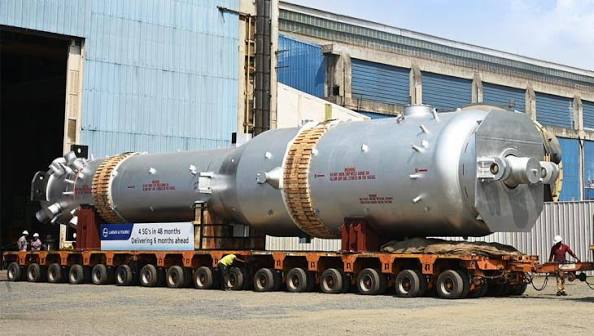
Unlike many startups chasing entirely new reactor architectures, Apollo Atomics is rethinking how thermal energy converts into electricity. Their innovation centers on the steam generator, a necessary but traditionally massive component that typically stands several stories tall and is hand-built. By shrinking this part and making it mass-manufacturable, Apollo Atomics has engineered a reactor that is significantly smaller than those using conventional generators.
This fundamental re-engineering promises to unlock significant cost efficiencies. Apollo Atomics aims for its power plants to generate electricity at an unprecedented low cost. This aggressive target aims to undercut the cost of natural gas, positioning nuclear power as a truly competitive and sustainable energy source for the future.

From a marketing and distribution perspective, this miniaturization isn't just a technical feat; it's a strategic repositioning of nuclear power itself. Imagine the implications for deployment—smaller, modular units that can be mass-produced and potentially integrated into diverse energy grids with greater ease. My read is that this approach could dramatically lower the barriers to entry for nuclear energy, making it a more attractive 'product' for utilities and industrial consumers globally, especially in rapidly developing economies like India seeking reliable base-load power.
How Apollo Atomics Rethinks Nuclear Economics
The core of Apollo Atomics' disruptive strategy lies in identifying and optimizing the true cost drivers in nuclear power generation. Traditional designs often borrow heavily from coal and natural gas power plants, failing to fully leverage the high energy density of nuclear fuels like uranium. This has resulted in oversized, inefficient steam generators that inflate construction timelines and expenses.
By focusing on this key component and applying a mass-manufacturable design, Apollo Atomics moves away from the bespoke, multi-year construction cycles that plague large-scale nuclear projects. This shift from custom-built behemoths to standardized, compact modules is a game-changer for project economics and time-to-market. It effectively addresses the paradox of nuclear energy—immense potential, but prohibitive delivery.
The Pragmatic Pivot: Shrinking the Factory, Not the Physics
The $31 million oversubscribed seed round ($26 million equity, $5 million debt) just raised by Apollo Atomics highlights a massive paradigm shift in the nuclear tech ecosystem. While the last decade of advanced nuclear startups focused heavily on exotic, unproven physics like molten salt, sodium coolants, or high-assay fuels (HALEU), Apollo is taking a radically pragmatic approach. They aren't trying to reinvent the nuclear wheel; they are just making it small enough to fit on a truck.
The "Boring" Innovation Moat
Apollo’s strategic genius lies in what they aren't changing. By sticking with the standard Pressurized Water Reactor (PWR) architecture that already powers roughly 80% of the world’s nuclear fleet, they bypass the decade-long, multi-billion-dollar regulatory nightmare of licensing new fuels and coolants.
Instead, they attacked the single biggest physical bottleneck in a traditional nuclear plant: the steam generator. In a conventional plant, this is a massive, bespoke, multi-story pressure vessel that forces the entire site to become a custom mega-project. By engineering a proprietary Compact Steam Generator (CSG) that is roughly 20 times smaller, Apollo shrinks the entire plant's footprint by a factor of 40 without sacrificing thermal output.
Redefining Unit Economics
This miniaturization fundamentally rewrites nuclear unit economics:
From Mega-Project to Product: Instead of a 10-year, $20 billion custom construction project, Apollo’s reactors are designed to be factory-manufactured, shipped on standard trucks, and deployed in under 24 months.
Hyper-Competitive Pricing: By leveraging existing commercial-grade nuclear fuel and established, qualified supply chains, they are targeting a Levelized Cost of Energy (LCOE) of just 3 cents per kilowatt-hour, aiming to structurally undercut natural gas.
Segmented Output: Their product roadmap features 10 MW, 50 MW, and 300 MW systems, allowing for scalable, modular capacity additions rather than front-loading massive capital expenditures.
The AI Data Center Catalyst
The timing of this funding is no coincidence. The generative AI boom has created an unprecedented bottleneck in base-load power. Tech giants and hyperscalers simply cannot rely solely on intermittent solar and wind to run 24/7 gigawatt-scale training clusters. By offering a clean, firm power source that can be deployed on a 24-month timeline which perfectly matches the construction schedule of a modern data center, Apollo Atomics is positioning itself as the ultimate "plug-and-play" power module for the AI era.
What This Means for the Global Energy Transition
The implications of Apollo Atomics' innovation extend far beyond mere cost reduction; it represents a significant step forward for the global energy transition. As the world increasingly shifts towards renewable energy sources like solar and wind, the challenge of intermittent power supply becomes more pronounced. Reliable, carbon-free base-load power is crucial, and a cost-competitive, modular nuclear option could fill this gap effectively.
For markets like India, which faces immense energy demand alongside ambitious clean energy targets, the prospect of significantly smaller reactors and electricity cheaper than natural gas is transformative. It offers a pathway to energy security and decarbonization that is both economically viable and logistically feasible for rapid deployment. This aligns perfectly with the growing trend of Small Modular Reactors (SMRs), but Apollo's specific focus on the steam generator distinguishes it by attacking the cost problem from a unique, high-leverage angle, potentially accelerating widespread adoption of advanced nuclear technology.
Frequently asked questions
What is Apollo Atomics' primary innovation in nuclear power?
Apollo Atomics is revolutionizing nuclear energy by miniaturizing the steam generator, a crucial yet often overlooked reactor component. This breakthrough allows them to build significantly smaller and potentially cheaper nuclear reactors compared to conventional designs, aiming for more accessible clean energy.
How does Apollo Atomics plan to make nuclear power cheaper?
By shrinking the steam generator, Apollo Atomics can reduce the overall size and complexity of nuclear reactors, which is expected to lower manufacturing, construction, and operational costs, making nuclear power more affordable.
What role does the steam generator play in nuclear reactors?
The steam generator transfers heat from the nuclear reactor's core to produce high-pressure steam, which then drives turbines to generate electricity. Its miniaturization is a key enabler for Apollo Atomics' compact reactor designs.
Has Apollo Atomics received any significant funding?
Yes, Apollo Atomics, a Y Combinator alumnus, recently secured funding to advance its innovative approach to nuclear energy and accelerate the development of its miniaturized reactor technology.
What are the potential environmental benefits of Apollo Atomics' technology?
By making nuclear power more affordable and accessible, Apollo Atomics can accelerate the global transition to clean, carbon-free electricity, significantly contributing to climate change mitigation efforts and energy independence.
What does being a 'Y Combinator alumnus' mean for Apollo Atomics?
Being a Y Combinator alumnus means Apollo Atomics participated in the prestigious Y Combinator startup accelerator program, known for nurturing high-potential tech companies and providing crucial early-stage support, mentorship, and funding.