Discover how China’s ambitious desert renewable power project is transforming its energy future and challenging ecological norms.
China is undertaking a large-scale renewable power project.
This project integrates renewable energy generation with environmental considerations.
The sheer scale of human ambition, sometimes, is best understood when confronted with nature's harshest realities. Imagine standing at the edge of a seemingly endless desert, a barren expanse where life struggles to take root, where the relentless wind carries not just sand, but a silent threat of encroaching desertification. For those who conceived a significant renewable power project in China, this arid landscape was seen as a canvas for transformation, a chance to generate clean energy and address environmental challenges. What started as a daring idea to capture the sun's abundant energy has blossomed into an undertaking poised to reshape aspects of China's energy landscape and its ecosystems. The genesis of such a colossal undertaking lies in a fundamental belief that technological prowess can serve as a powerful ally in addressing climate change and environmental challenges.
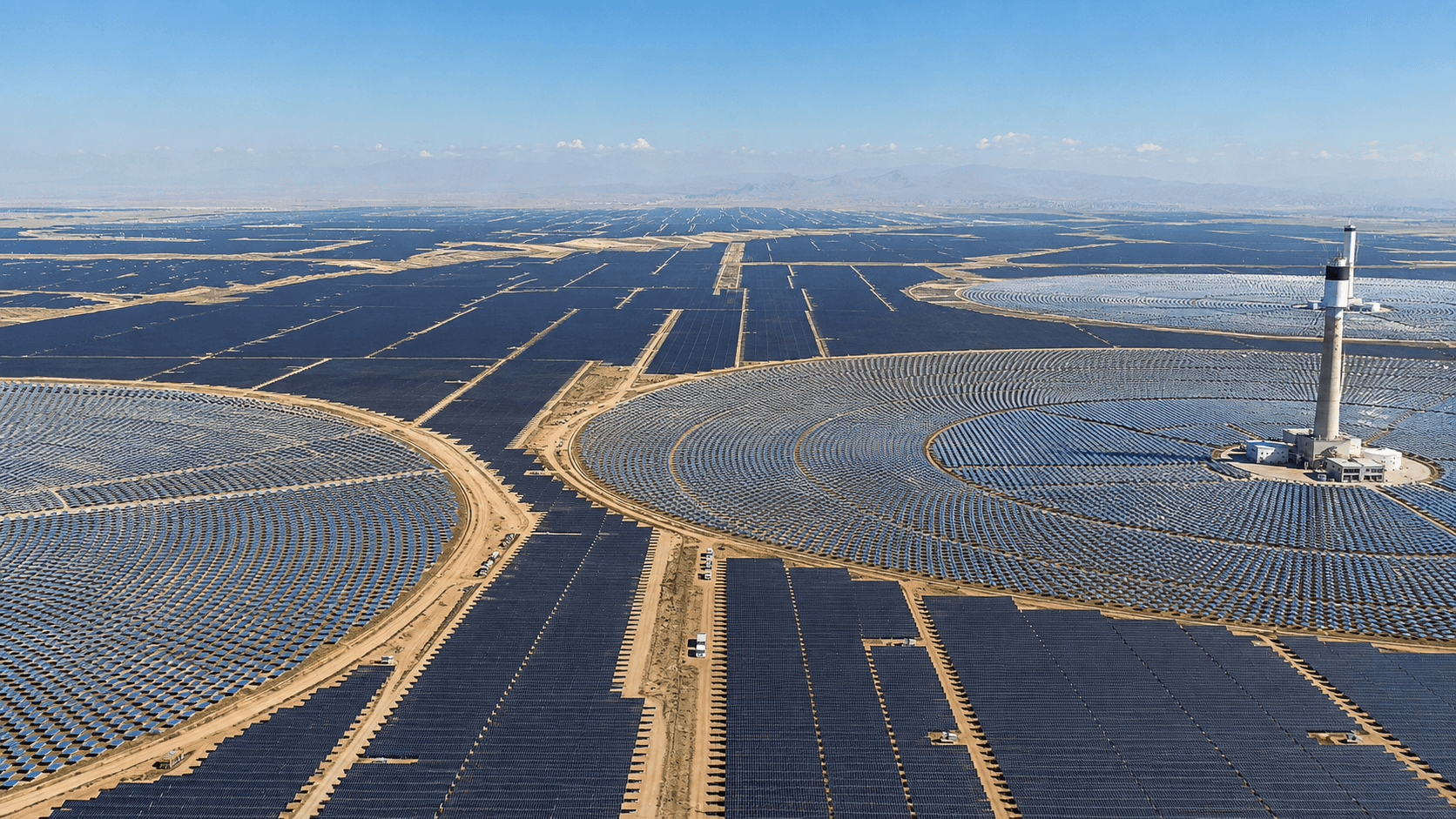
Historically, certain arid regions have been seen primarily as obstacles, vast unproductive areas. However, their natural conditions presented an opportunity for renewable energy generation. The inspiration was to harness natural elements for power and purpose, turning a perceived liability into an asset. This dual motivation—to meet energy demands while simultaneously addressing environmental concerns—became a core driver of the project. For those driving this monumental shift, the goal was about demonstrating a new paradigm for sustainable development. The building phase of this "Great Solar Wall" has been described as a modern engineering marvel, demonstrating significant coordination and scale. Envision vast stretches of certain desert regions being systematically outfitted with solar panels and wind turbines. These installations are intended not just as energy collectors; they are also designed to contribute to environmental efforts. The physical presence of the installations is planned to alter the microclimate of the desert floor. The solar panels, by shading the ground beneath them, are intended to help reduce evaporation rates and retain soil moisture. Simultaneously, the wind turbines are designed to act as barriers, helping to mitigate powerful desert winds that contribute to sand dune migration and soil erosion. This reduction in wind speed and increase in moisture retention is intended to create more hospitable conditions for vegetation, as a step in addressing desertification.
The current state of this project reportedly showcases progress, moving beyond theoretical models to real-world impact. The scale is significant, involving large areas of land. Reports suggest environmental improvements in some areas, with plant growth observed. The renewable energy output is contributing to China's national grid and aiding in efforts to reduce reliance on fossil fuels. This infrastructure deployment also spurs economic activity, creating jobs in construction, operation, and maintenance, and fostering a local ecosystem around green technology. This represents a tangible shift towards a greener, more sustainable future, with notable energy capacity additions and ecological restoration efforts. This project is not without its challenges. The logistics of deploying and maintaining such vast infrastructure in remote, harsh desert environments are significant. Issues ranging from dust accumulation on solar panels to the impact of construction on existing desert flora and fauna require continuous innovation and careful management. Yet, the vision extends far beyond current achievements. The ultimate impact envisioned is a network of green energy corridors that not only power homes and industries but also actively transform some barren lands, potentially supporting ecological benefits. This redefines the relationship between industry and environment, suggesting that large-scale development can be a force for ecological good. It is presented as a testament to human ingenuity: facing an environmental crisis, solutions can be built that aim to regenerate the planet.
China’s ‘Great Solar Wall’ Turns Clean Energy Into Ecological Infrastructure China’s massive renewable buildout in the Kubuqi Desert shows how clean energy infrastructure can potentially address two challenges at once: power generation and desertification. By installing vast solar arrays across degraded land, the project aims to generate large amounts of renewable electricity while reducing wind erosion, lowering evaporation and creating conditions that can support vegetation growth beneath and around the panels. In our view, the most interesting aspect is not simply the scale of the solar capacity, but the attempt to combine energy infrastructure with land restoration. However, deserts are ecosystems, not empty land. Poorly planned projects can disrupt biodiversity, soil conditions and local water cycles. If China can demonstrate that large-scale solar deployment genuinely improves degraded landscapes without creating new ecological problems, the model could become a valuable blueprint for other arid regions worldwide.
The implications of China's desert renewable project resonate far beyond its borders, offering a potent source of inspiration for nations grappling with similar energy and environmental dilemmas. For other nations with arid regions and renewable energy targets, this model presents a compelling blueprint. Imagine a future where arid regions, much like those in China, could become hubs of clean energy generation, simultaneously addressing desertification and fostering new economic opportunities. This bold vision underscores that the path to a sustainable future is not just about adopting new technologies, but about pioneering integrated solutions that address environmental concerns while powering progress, offering a powerful narrative for aspiring entrepreneurs in the green energy sector.
Frequently asked questions
What is China's major renewable power project?
China's major renewable power project is a large-scale initiative to build extensive renewable energy infrastructure, primarily in its vast desert regions. This project aims to significantly increase the country's clean energy capacity, integrating solar and wind power generation.
Where is China building its major renewable project?
The major renewable power project in China is predominantly being developed in its vast desert areas, such as the Gobi Desert. These regions offer abundant space and high solar irradiance or consistent wind resources ideal for large-scale energy generation.
How could this project impact China's energy landscape?
This project could profoundly reshape China's energy landscape by drastically increasing its renewable energy share, reducing reliance on fossil fuels, and enhancing energy security. It positions China as a global leader in clean energy deployment and innovation.
What are the environmental considerations for desert ecosystems?
Environmental considerations include potential impacts on fragile desert ecosystems, such as water usage for cooling and cleaning, habitat disruption for local flora and fauna, and changes in local microclimates. Careful planning is essential to mitigate these effects.
What types of renewable energy are used in the project?
The project primarily utilizes solar power, including photovoltaic (PV) and concentrated solar power (CSP) technologies, alongside large-scale wind farms. This combination leverages the specific natural resources available in the desert regions for optimal energy generation.
Why is China investing so heavily in renewable energy?
China is investing heavily in renewable energy to address severe air pollution, reduce its carbon emissions as part of climate commitments, and enhance its energy independence and security. It also aims to lead the global green technology market.