India's online sales growth decelerates to 10-15% as inflation, higher product prices, and reduced discounts impact consumer spending.
Online sales volumes in India are projected to grow 10-15% during mid-year promotional events.
This forecast represents a notable deceleration from the 20% growth rate observed in the prior year.
Rising raw material and packaging costs, driven by broader inflation, are contributing to higher product prices.
Discounts offered by e-commerce platforms have become smaller, impacting consumer purchasing incentives.
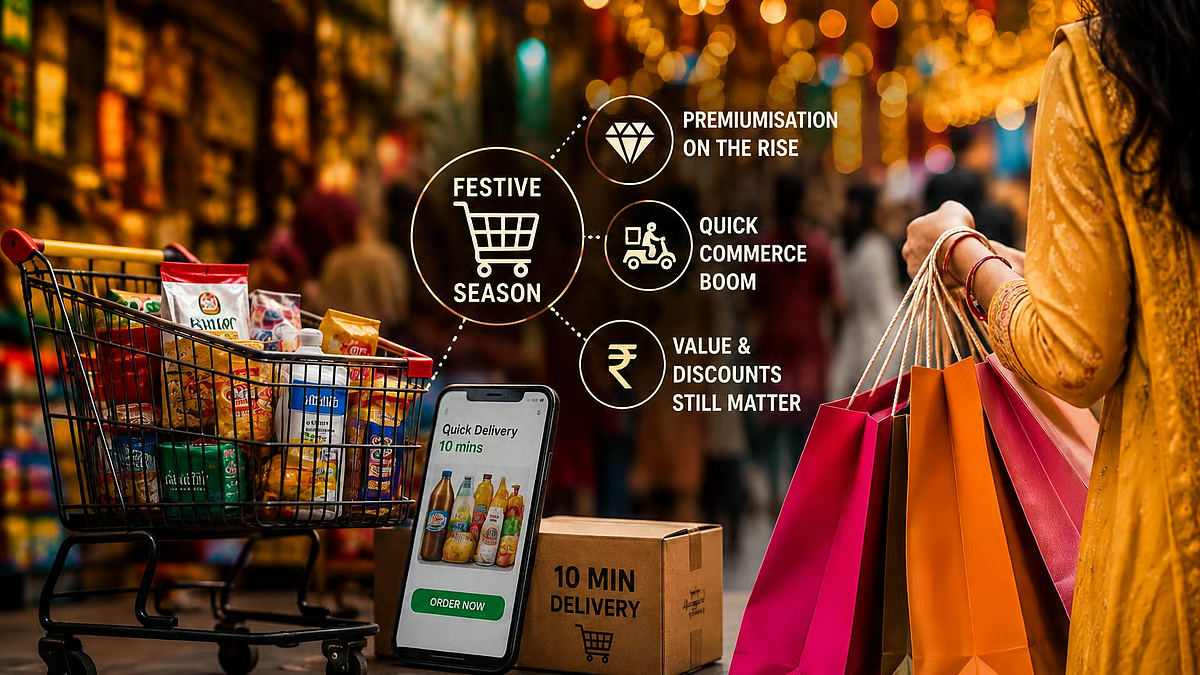
India's mid-year e-commerce sales volumes are forecast to grow 10-15% this year, a significant slowdown from the previous year. This moderation comes as costs for online retailers continue to rise. The projected growth rate for the current period is markedly lower than the 20% expansion recorded last year, according to industry analysts. Last year's higher growth was attributed to the fortuitous timing of Independence Day and Raksha Bandhan, which boosted gifting purchases. E-commerce giants like Amazon and Flipkart initiated their Independence Day sale events last Friday. However, Raksha Bandhan is scheduled about a fortnight after these sales conclude this year, potentially diminishing its impact on event-driven purchases. Companies are grappling with elevated raw material and packaging costs. These increases stem from broader inflationary pressures and ongoing geopolitical uncertainties. Consequently, products available on these platforms have become more expensive for consumers. The scale of discounts offered during promotional periods has also diminished.
Market Dynamics
The e-commerce sector has experienced a rapid expansion globally, particularly in emerging markets like India, over the past decade. This growth was often fueled by aggressive discounting, extensive marketing, and significant venture capital investment, aiming to capture market share. However, the operational landscape for these platforms has evolved, with a renewed focus on profitability and sustainable unit economics. This shift signals a maturation of the market, moving away from hyper-growth at any cost towards more disciplined financial management. Rising input costs are not unique to the Indian market; they reflect a global trend impacting supply chains and consumer goods. Geopolitical events, such as conflicts and trade tensions, have disrupted traditional logistics routes and increased commodity prices. These external pressures force e-commerce operators to absorb higher expenses or pass them on to consumers, directly influencing sales volumes and promotional strategies.
Investor Perspective and Strategic Shifts
For venture capital and startup funding ecosystems, this cooling of e-commerce sales growth carries significant implications. Investors are increasingly scrutinizing profitability metrics and cash flow generation rather than solely focusing on gross merchandise value (GMV) or user acquisition numbers. My assessment is that this shift indicates a market correction, where previously inflated valuations for high-growth, loss-making e-commerce ventures are being reassessed. Companies are now under pressure to demonstrate clear paths to profitability. This climate encourages e-commerce businesses to optimize their operational efficiencies, streamline supply chains, and enhance customer retention strategies. The era of aggressive "growth at all costs" is giving way to a more measured approach, prioritizing sustainable business models. This strategic pivot impacts investment decisions, favoring companies with robust unit economics and resilient business operations.
Outlook
The immediate future for e-commerce in India and similar markets will likely see companies focusing on value-added services, customer loyalty programs, and innovative cost-saving technologies. This might include leveraging automation in warehousing or optimizing last-mile delivery. The emphasis will shift from broad market penetration to targeting specific, profitable customer segments and product categories. This strategic realignment is crucial for navigating the current economic headwinds and ensuring long-term viability in a more competitive and cost-conscious environment.
India’s E-Commerce Growth Is Cooling as Discounts Shrink and Costs Rise India’s mid-year online sale volumes are projected to grow around 10–15%, slowing from roughly 20% growth last year, as higher costs and weaker promotional incentives weigh on consumer spending. Rising raw material, packaging and logistics expenses are pushing product prices higher, while e-commerce platforms are offering comparatively smaller discounts as they increasingly focus on profitability rather than aggressive customer acquisition. The timing of festive demand could also matter. Last year, Independence Day and Raksha Bandhan were positioned more favourably around major online sales, helping boost gifting purchases. This year, the gap between promotional events and Raksha Bandhan could reduce that benefit. In our view, this slowdown does not necessarily signal weakness in Indian e-commerce. Instead, it reflects a maturing market where Amazon, Flipkart and other platforms are shifting from subsidised hyper-growth toward stronger unit economics. The next phase of competition will increasingly depend on customer retention, supply-chain efficiency, faster delivery and differentiated services not simply who offers the biggest discount.
Frequently asked questions
Why are mid-year ecommerce sales expected to cool in India?
Mid-year ecommerce sales in India are projected to cool due to several factors, including a significant deceleration in growth rates compared to the previous year. Rising raw material and packaging costs are leading to higher product prices, while e-commerce platforms are offering smaller discounts, all contributing to reduced consumer spending.
What is the projected growth rate for online sales in India this mid-year?
Online sales volumes in India are projected to grow 10-15% during mid-year promotional events.
How does this year's growth forecast compare to the previous year?
This year's forecast of 10-15% growth represents a notable deceleration from the 20% growth rate observed in the prior year.
What costs are impacting product prices in e-commerce?
Rising raw material and packaging costs, driven by broader inflation, are contributing to higher product prices.
Are e-commerce platforms offering the same level of discounts as before?
No, discounts offered by e-commerce platforms have become smaller.
What broader economic factor is influencing these trends?
Broader inflation is a key economic factor contributing to higher costs and impacting consumer purchasing power.