Delivery price wars changed shopping habits, forcing China’s internet giants to prove instant retail can pay
China’s e-commerce leaders are entering a new phase after a bruising meal-delivery subsidy fight reset how quickly shoppers expect almost anything to arrive, and at what cost. For investors, that matters because the contest is no longer just about taking share in food, it is about whether the country’s biggest internet platforms can turn instant delivery into a broader retail habit without destroying margins.
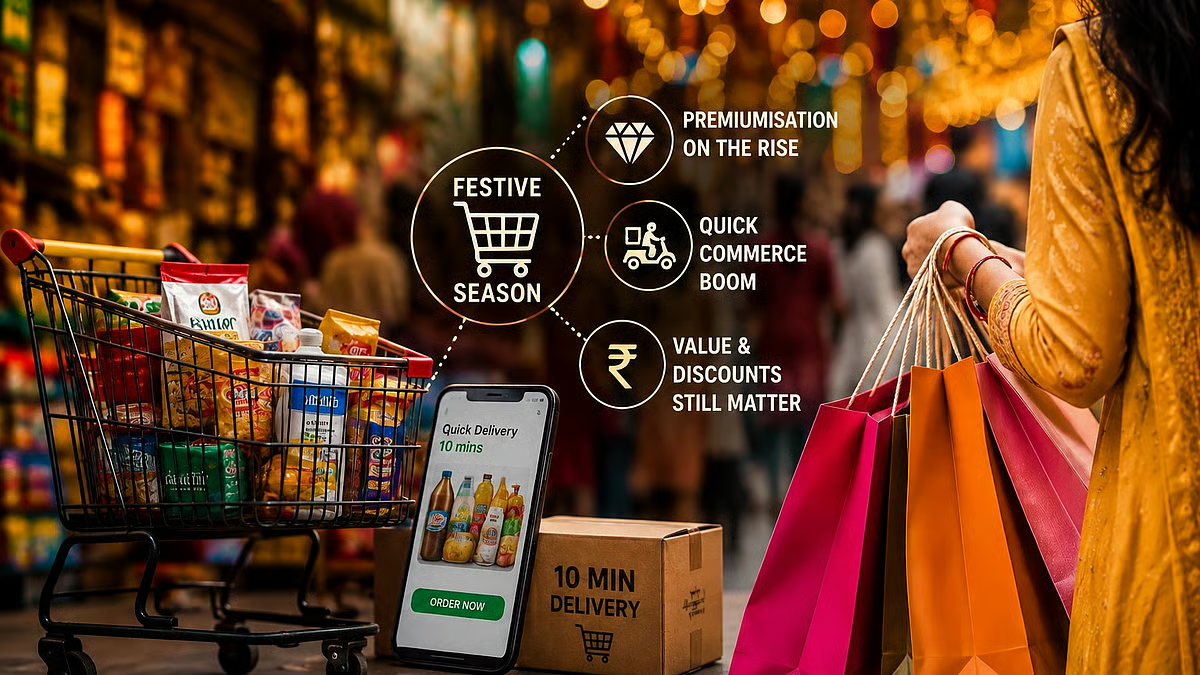
The latest shift comes after months in which aggressive discounts in meal delivery helped train consumers to think of convenience as a default rather than a premium add-on. That behavioral change is now rippling into categories far beyond takeout, with electronics and other goods increasingly drawn into a model once reserved for food, according to a syndicated report published September 3, 2026.
What had looked like a tactical price war is starting to resemble an infrastructure race. The platforms with the deepest merchant relationships, rider networks and fulfillment density are better positioned if Chinese shoppers keep moving from scheduled parcel delivery toward near-immediate fulfillment. That could reward scale, but it also raises the risk that logistics spending stays elevated longer than equity holders would like.
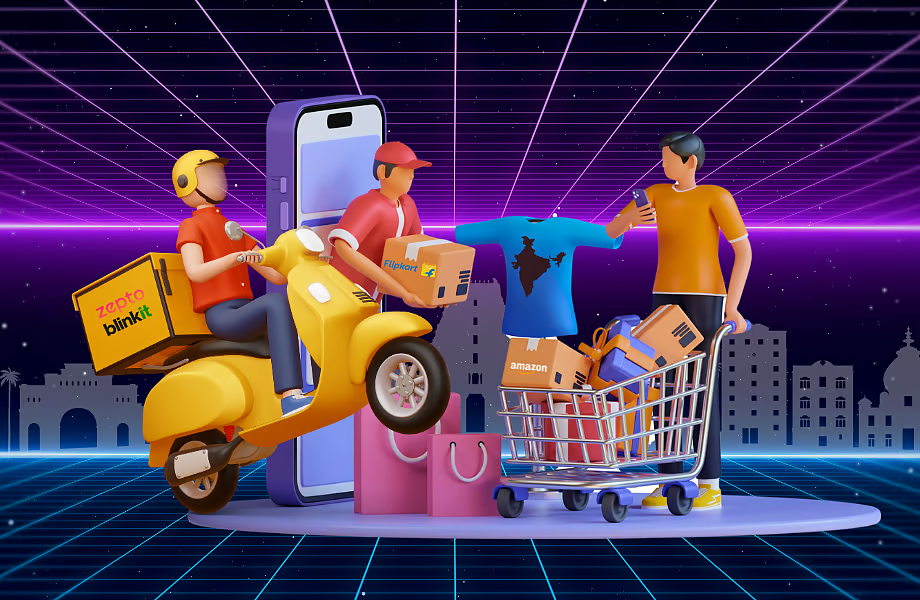
The bruising meal-delivery subsidy war in China has fundamentally reprogrammed consumer psychology, normalizing 60-minute fulfillment for everything from groceries to consumer electronics. By effectively subsidizing the true cost of immediate delivery, giants like Meituan, Alibaba, and JD.com have successfully collapsed the distance between online browsing and offline possession.
However, this transition from traditional e-commerce to "instant retail" (quick commerce) forces a brutal redesign of backend operations and unit economics.
The Regulatory Ceasefire and the Infrastructure Pivot
The end of the massive discounting era was not entirely voluntary. In April 2026, Chinese market regulators effectively halted the subsidy blitz, imposing a combined 3.6 billion yuan in penalties on several platforms—including Meituan—for safety and competitive violations.
With the promotional spigot turned off, the battleground has shifted from capital-burning customer acquisition to capital-intensive logistics infrastructure. To guarantee 60-minute delivery without bleeding cash on individual couriers, platforms are aggressively re-architecting their supply chains. Alibaba and JD.com are rapidly deploying "dark stores" (online-only retail nodes) and ultra-fast "lightning warehouses" embedded directly within densely populated urban neighborhoods. Meituan is similarly expanding its proprietary supermarket footprint to command and tightly control local inventory.
The Market Share Reallocation
This infrastructure race is redefining the e-commerce hierarchy. By folding meal delivery into the broader, highly lucrative umbrella of instant retail, the competitive landscape has hardened into a massive duopoly. As of the second quarter of 2026, Alibaba's Taobao Instant Commerce held a razor-thin lead with 45.7% of the instant retail market, closely matched by Meituan at 45.3%, while JD.com trailed significantly at 7.7%.
The Threat of "Convenience Inflation"
For equity holders, the critical risk is that these platforms have conditioned consumers to expect an economically unsustainable service tier.
In a classic marketplace model, platforms rely on centralized, highly automated regional distribution centers to ship goods efficiently over several days. Instant retail requires scattering that inventory across thousands of hyper-local nodes and relying on point-to-point courier dispatch. If shoppers begin demanding 60-minute delivery for margin-sensitive items like consumer electronics as a default baseline rather than a premium service, the operating leverage that made Chinese e-commerce so profitable will evaporate.
The ultimate test for these platforms is whether they can monetize this new expectation of immediacy—through premium delivery subscriptions, localized advertising networks, or elevated merchant take-rates—before the overhead of managing a decentralized "lightning warehouse" network crushes their margins.
What It Means
The key market implication is that Chinese e-commerce is being re-rated from a marketplace business toward a hybrid of retail, logistics and local services. That distinction matters. A classic marketplace can grow with relatively light capital needs, while an instant commerce model requires dense delivery networks, subsidies at launch and careful control of unit economics. In plain English, selling a phone charger in 30 minutes is a very different business from shipping it in three days, even if the app interface looks nearly identical.
My read is that the delivery war’s biggest legacy is psychological, not promotional. Once consumers experience very fast fulfillment for low-value, high-frequency items, they begin to expect similar service for a much wider basket. That is how habits migrate. Ride-hailing changed expectations around waiting time, food delivery changed expectations around convenience, and now Chinese e-commerce is trying to collapse the distance between online browsing and offline possession.
This also connects to a broader trend in China’s internet sector. Several mature platform companies have spent the last few years searching for growth after regulatory pressure, softer consumer sentiment and intense competition narrowed the old playbook of adding users through discounts alone. Instant retail offers a new avenue because it blends online traffic with local merchant supply, giving companies another reason to keep users inside their ecosystems for more daily purchases.
For investors, one question is whether this next phase ends up looking more like cloud computing or ride-hailing. In cloud, heavy upfront spending built durable moats and later margins. In ride-hailing, competitive pricing often proved stubborn and customer loyalty thin. Chinese e-commerce groups want the first outcome. The danger is that if several major platforms keep promising faster delivery on more products, the sector could trap itself in a cycle where service levels rise faster than returns.
There is also a second-order effect that is easy to miss. If more nonfood purchases migrate to fast local fulfillment, warehouse strategy changes. Large regional distribution centers still matter, but so do neighborhood pickup points, dark stores and merchant inventories integrated into platform software. The winners may be those that can coordinate scattered local stock as efficiently as they once managed centralized parcel networks. That is less glamorous than an app redesign, but likely more decisive.
Background
China has spent years building the ingredients for this moment: dense cities, smartphone-first consumers, sophisticated payment rails and large pools of on-demand couriers. Meal delivery was the most visible proving ground because food naturally rewards speed. Yet once a platform has enough riders moving across a city all day, adding adjacent categories becomes a logical extension. A courier carrying lunch can also carry cosmetics, a charger or over-the-counter medicine, provided the platform can source the item nearby and dispatch it with minimal friction.
The significance of the recent subsidy battle is that it appears to have accelerated this transition. Discounting tends to look wasteful in isolation, and often is. But it can also function as customer education. In this case, low-cost delivery helped condition users to open an app for needs they might once have solved by walking to a store or waiting for a parcel. That creates a bridge between local services and mainstream e-commerce, two businesses that had often been discussed separately.
That bridge has implications for the competitive map. Traditional e-commerce companies are under pressure to offer faster fulfillment, while delivery specialists have a new reason to expand beyond meals. Retailers, meanwhile, may gain traffic if they plug inventory into the big platforms, but they also risk becoming more dependent on third-party channels. The relationship starts to look like a department store inside a smartphone, where the platform controls discovery, payment and increasingly the last mile.
Another underappreciated angle is what this means for consumer electronics and higher-ticket goods. These categories are less frequent than food orders and can be more margin-sensitive, but they are useful for proving that immediacy is not just a convenience for snacks or coffee. If shoppers begin to expect same-hour access to small electronics, then faster fulfillment becomes part of brand positioning and conversion economics, not merely a logistics feature.
What Analysts Say
No direct analyst quotations were included in the source material, but the strategic debate is clear from the market setup. A positive view is that faster delivery deepens engagement, increases purchase frequency and raises switching costs, especially when linked to memberships, payments and advertising. In that version of the story, short-term subsidy pain buys long-term control over consumer intent.
The negative view is simpler. Chinese platform history is full of episodes where services became better for users but less profitable for shareholders because every scaled competitor felt compelled to match the offer. If next-day shipping becomes same-day, and same-day drifts toward under-an-hour fulfillment, then convenience inflation could eat the operating leverage that once made marketplace models so attractive. Investors should watch whether management teams begin to emphasize order quality, merchant monetization and repeat behavior rather than headline volume alone.
There is also a policy dimension in the background. China’s regulators have spent years scrutinizing large internet platforms on competition, labor conditions and consumer protection. A renewed race to compress delivery times and keep prices low could revive concerns around rider treatment and predatory pricing, even if the current subsidy war has cooled. That means execution risk is not just commercial. It is political and regulatory as well.
The next important signals are unlikely to be dramatic announcements. Investors should watch earnings commentary for signs that platforms are extending rapid delivery into more categories, any indication that promotional intensity is stabilizing, and whether management frames this as a temporary customer acquisition phase or a permanent reset in service expectations. If the latter proves true, China’s e-commerce sector may be entering a structurally different era, one where the last mile is no longer a support function but the product itself.
Frequently asked questions
What is the next phase for Chinese e-commerce after the delivery price war?
The next phase is about turning ultra-fast delivery from a subsidy-driven tactic into a sustainable retail model. China’s biggest platforms now need to show they can keep shoppers engaged across more product categories without crushing margins.
Why did the delivery price war matter beyond food delivery in China?
The price war reset consumer expectations on both speed and cost, making fast delivery feel normal for far more than meals. That matters because it pushes e-commerce companies to expand instant delivery into broader retail, including groceries and everyday goods.
How have Chinese shopping habits changed because of delivery subsidies?
Many shoppers now expect cheaper and faster fulfillment for items that were once bought through standard e-commerce channels. That shift creates pressure on platforms to offer near-instant service while still finding a path to profitability.
What are investors watching in Chinese e-commerce now?
Investors are watching whether major internet platforms can grow order volume and customer loyalty without relying on heavy subsidies. They also want evidence that faster delivery can lift retail sales and margins instead of simply increasing competition costs.
Can instant delivery become profitable for China’s biggest internet platforms?
It can become profitable if platforms use scale, logistics density, and higher-frequency purchases to spread delivery costs across more orders. The challenge is that aggressive discounting may win market share in the short term while delaying meaningful earnings improvement.
Why is this Bloomberg analysis relevant to US readers and global markets?
China’s e-commerce leaders influence global investor sentiment, supply chains, and expectations for platform economics in other markets. Their success or failure in instant retail offers a real-world test of whether fast delivery can drive long-term growth without destroying profits.