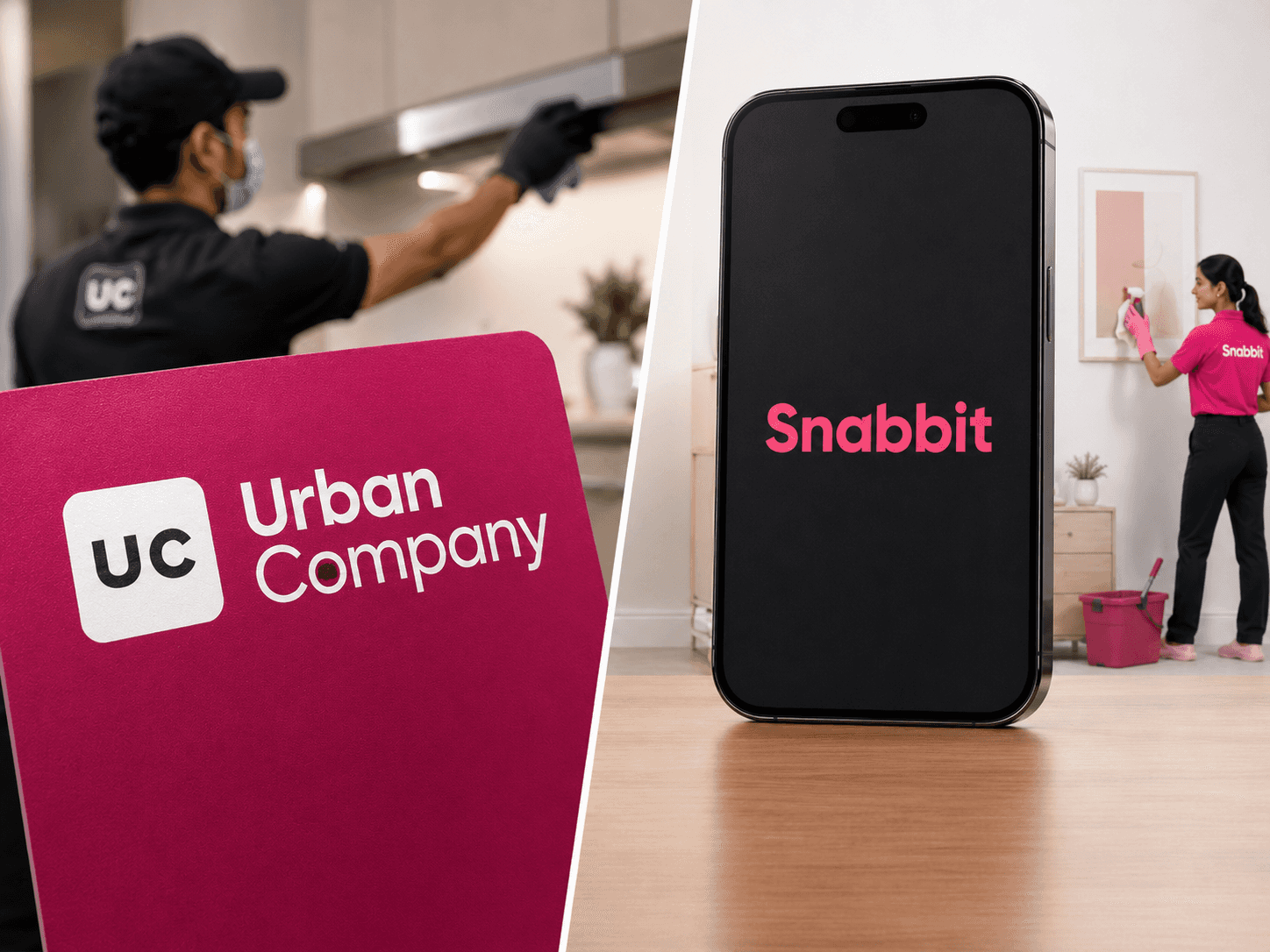
Leading platforms Urban Company & Snabbit slash prices & wait times, igniting a fierce battle for market dominance & consumer loyalty.
Leading instant home services platforms, Urban Company and Snabbit, are significantly reducing prices and service waiting times, signaling an escalating battle for market dominance that could reshape the sector’s valuation and profitability metrics. This aggressive posture, driven by intensifying competition, forces a reevaluation of sustainable growth models in a high-frequency consumer-centric segment. The strategic shift by these two prominent players in the burgeoning instant home services market marks a pivotal moment for investors eyeing the gig economy's next frontier. Historically, such services, ranging from beauty treatments to appliance repairs, have commanded premium pricing due to convenience and perceived quality. The current moves suggest a pivot towards volume and market share aggregation, potentially compressing margins across the board. Companies are now optimizing operational efficiencies and leveraging their network effects to absorb these cost reductions, a challenging proposition in a labor-intensive industry.
Urban Company Snabbit Price War Could Grow the Market, but Margin Discipline Will Decide the Winner The intensifying price competition between Urban Company and Snabbit signals that instant home services are entering the same high-stakes phase previously seen in food delivery and quick commerce. Lower prices and shorter waiting times can accelerate adoption, but they also risk turning customer loyalty into a subsidy-driven habit. In our view, the eventual winner will not simply be the platform offering the cheapest service. Home services depend heavily on trust, service quality and the availability of trained professionals, making aggressive discounting harder to sustain than in product delivery. The more important metric will be whether these companies can improve worker productivity, repeat usage and contribution margins while maintaining service standards. If prices rise once incentives disappear, consumers can switch quickly. Sustainable leadership will therefore come from operational efficiency and reliability, not from the deepest discounts.
This competitive dynamic underscores a crucial period for platforms aiming to solidify their consumer base. The long-term viability of these aggressive pricing strategies hinges on their ability to cultivate loyalty beyond transactional savings, a critical factor for sustained brand equity in a crowded digital landscape. My read on this is that while immediate price cuts capture attention, the real win will be in how these brands manage to differentiate their service quality and overall user experience.
Two dominant players, Urban Company and Snabbit, are aggressively deploying price reductions and expedited service delivery, escalating competition within the instant home services market.
What It Means
This pricing recalibration fundamentally alters the unit economics for instant home service providers, prompting a broader market consolidation as smaller players struggle to match the capital-intensive strategies of larger firms. The immediate implication for venture capital-backed startups in this space is a heightened burn rate, as investments shift from growth at all costs to growth at a competitive cost, potentially delaying profitability timelines. From a marketing perspective, this signals a shift from brand building based on novelty to one focused on reliability and value, pushing companies to articulate their competitive advantages beyond just price. The consumer experience stands to benefit from these competitive pressures, receiving faster services at lower costs, which will likely drive increased adoption and usage frequency. However, this also puts immense pressure on service professionals, or creators, on these platforms. Their earning potential and working conditions could be impacted if platforms pass on cost-cutting measures, potentially affecting talent retention and service quality down the line. A strong platform brand needs both satisfied customers and engaged service partners, a delicate balance in a price war.
The Context
The instant home services sector has experienced rapid expansion, fueled by increasing urbanization, rising disposable incomes, and the pervasive digital transformation of daily conveniences. This growth mirrors the broader "quick commerce" trend, where speed and accessibility dictate consumer choice across various goods and services. Urban Company, a significant player in the Indian market and expanding globally, has built its brand on professional, on-demand services, while Snabbit and other emerging platforms have steadily gained traction, intensifying the fight for user acquisition. The current competitive environment reflects a maturing market where initial land-grab strategies are giving way to sustained market share battles. Similar patterns have been observed in food delivery and ride-hailing sectors, where aggressive pricing initially captivated users but eventually led to sustainability questions and, in some cases, significant industry consolidation. The current moves by Urban Company and Snabbit suggest the home services segment is entering a similar phase of intense rivalry.
What Analysts Say
Price wars can be effective in the short term for capturing market share; however, they often lead to a "race to the bottom" that erodes profitability for all participants. Long-term success for platforms often depends on leveraging technology to drive efficiency, enhancing service quality, and fostering strong brand loyalty that transcends mere cost considerations. Differentiation through specialized services, superior customer support, or innovative subscription models can provide an exit from perpetual price competition. A strategic challenge involves balancing aggressive user acquisition with the need for sustainable financial performance. Companies need to demonstrate a clear path to profitability, even while investing heavily in customer incentives. This requires sophisticated data analytics to identify high-value customer segments and optimize marketing spend for maximum return on investment, rather than simply subsidizing every transaction. Key factors to observe include the duration and depth of these price cuts, the competitive response from other market participants, and any shifts in customer acquisition costs. It is often observed whether aggressive strategies translate into durable market leadership or merely a temporary surge in transactional volume. The coming period will be crucial in determining the long-term structural integrity of profitability within this high-growth sector.
Frequently asked questions
What is happening with Urban Company and Snabbit?
Urban Company and Snabbit are engaging in an aggressive price war within the instant home services sector. They are significantly slashing prices and reducing service waiting times to gain market dominance and consumer loyalty.
Why are Urban Company and Snabbit cutting prices?
They are cutting prices and reducing waiting times due to intensifying competition in the instant home services market. This strategy aims to attract more customers and increase market share.
How does this competition affect the instant home services market?
This escalating competition could reshape the sector’s valuation and profitability metrics, potentially leading to lower prices for consumers and increased pressure on service providers.
What kind of services do Urban Company and Snabbit offer?
Urban Company and Snabbit offer a range of instant home services, typically including beauty, cleaning, repairs, and other on-demand household services delivered directly to the consumer's home.
Will other home service firms join the price war?
It is highly probable that other home service firms will be compelled to adjust their pricing and service models to remain competitive and retain their customer base amidst this aggressive market shift.
What impact does this have on consumer loyalty?
The price war aims to win consumer loyalty by offering more attractive pricing and faster service. This could lead consumers to switch platforms based on better deals and improved efficiency.