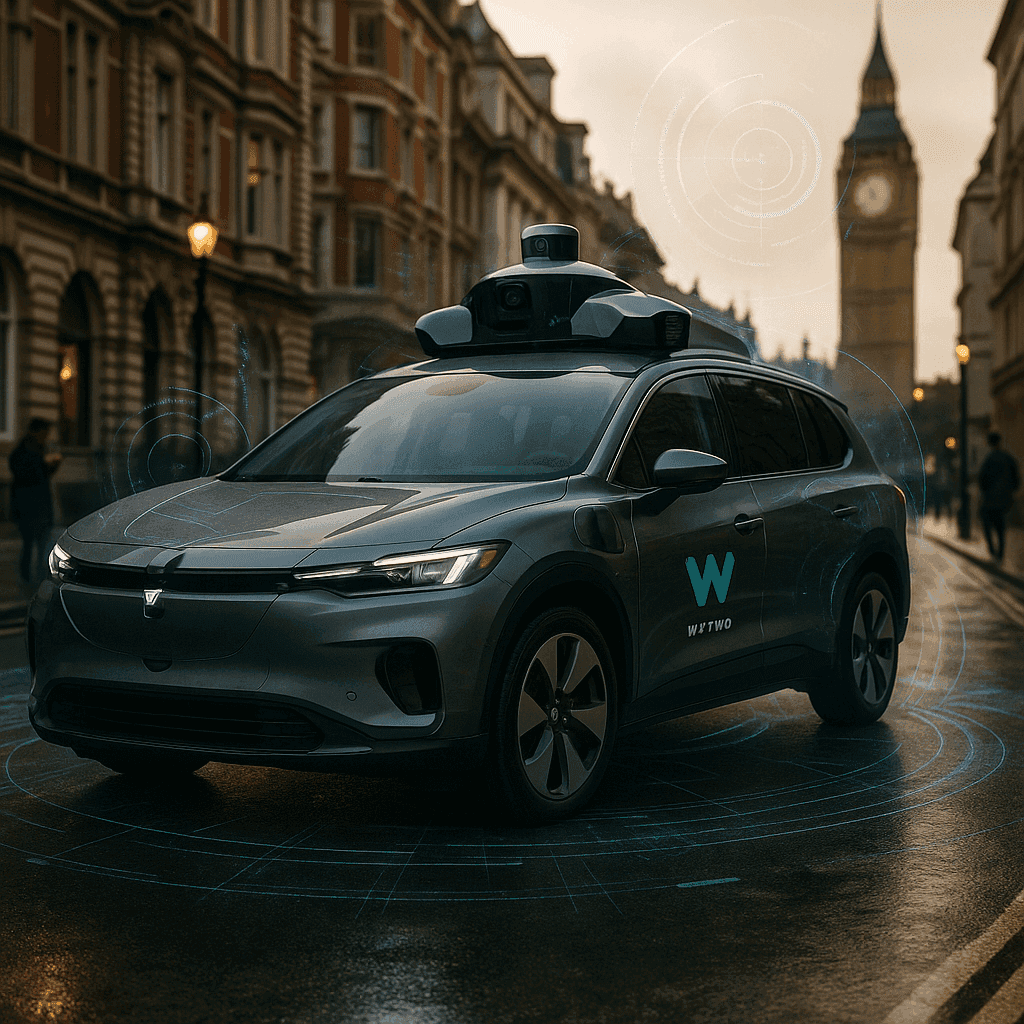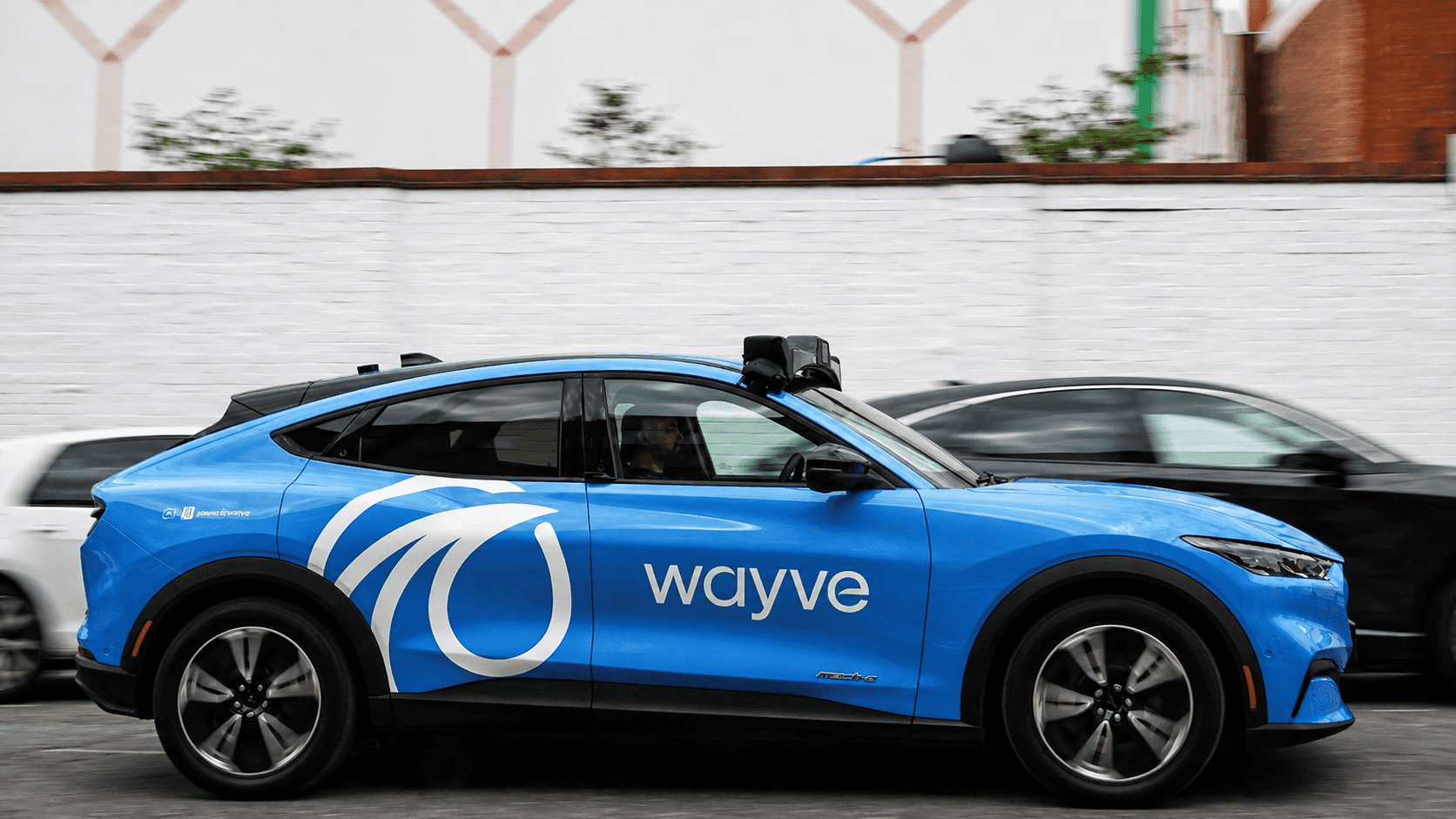
This regulatory breakthrough allows supervised autonomous vehicles on London's streets, signaling a pragmatic approach to urban mobility.
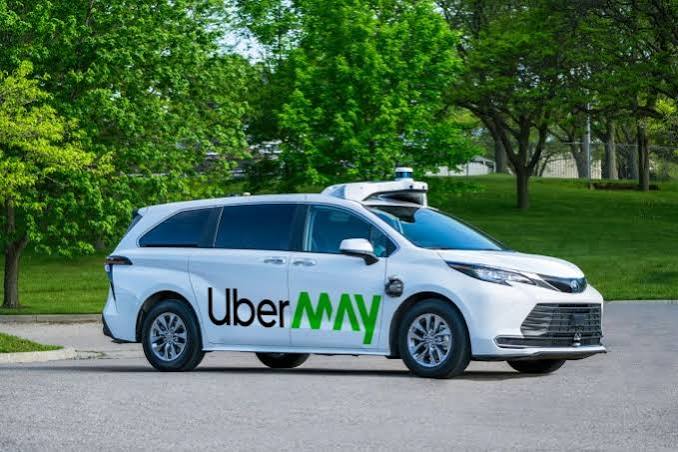
Uber Technologies Inc. and AI driving startup Wayve Technologies have secured crucial licenses to operate supervised robotaxis on London's streets, marking a significant milestone for autonomous vehicle deployment in a major global city. This regulatory breakthrough signals a pragmatic, phased approach to urban mobility, potentially paving the way for a transformative shift in ride-hailing economics and investment strategies across the sector. The joint venture’s authorization permits the deployment of vehicles equipped with Wayve’s advanced AI driving technology, initially operating with a human safety driver onboard. This supervised model aims to build operational experience and public trust, gathering essential data within London’s complex urban environment. The move positions London as an early adopter of advanced autonomous transport services, offering a scalable blueprint for other metropolitan areas navigating the integration of self-driving technology. The partnership underscores Uber’s evolving strategy in autonomous vehicles, moving from costly in-house development to strategic collaborations with specialized AI firms. This asset-light model allows Uber to leverage Wayve’s deep learning-centric approach to autonomy, which focuses on learning from diverse human driving data rather than relying solely on extensive mapping. This collaboration could lead to a more capital-efficient path to scaling autonomous operations, enhancing Uber’s long-term profitability outlook by reducing per-mile labor costs.
What It Means
This London licensing agreement is more than just a local regulatory win; it represents a critical validation point for a specific product development philosophy in the autonomous vehicle space. My read on this development is that the industry is finally embracing an iterative, supervised deployment model as the most viable path to commercialization, stepping back from the often-hyped, capital-intensive pursuit of immediate Level 5 autonomy. This pragmatic shift prioritizes safety and incremental learning, allowing AI systems to mature in real-world conditions under human oversight, thereby building a robust dataset and public confidence gradually. This approach significantly de-risks deployment for investors, shifting the narrative from speculative moonshots to a more predictable, if slower, path to return on investment. It also highlights a growing regulatory comfort with a "crawl, walk, run" strategy for complex AI systems interacting with public infrastructure. The implications for urban mobility are profound. London, with its dense traffic and unique road infrastructure, presents a formidable proving ground. Success here could trigger faster adoption in other cities facing similar congestion and environmental pressures. For traditional ride-hailing services, the introduction of robotaxis, even supervised ones, initiates a long-term pressure on driver wages and vehicle operating costs. This transition will not be immediate but sets a clear trajectory for operational efficiency, pushing market valuations for mobility platforms to factor in future autonomous capabilities more tangibly.
The global ride-hailing market is projected to reach significant annual revenues, with autonomous vehicle integration representing a pivotal element in unlocking long-term profitability and expanding service capacity.
Background
Uber has a storied, and at times tumultuous, history with autonomous vehicle technology. Initially, the company invested heavily in its own Advanced Technologies Group (ATG), pouring billions into R&D with the ambition of developing its proprietary self-driving system. However, this venture faced significant technical challenges, regulatory hurdles, and safety concerns, culminating in a fatal accident in Arizona in 2018. The immense capital burn and slow progress ultimately led Uber to divest ATG in 2020, selling it to Aurora Innovation Inc. in exchange for an equity stake. This strategic pivot underscored a recognition that developing Level 4 or Level 5 autonomy in-house was an unsustainable drain on resources for a company focused on core ride-hailing and delivery services. Post-ATG, Uber shifted its strategy to partnerships, forging alliances with leading autonomous driving technology companies like Waymo, Motional, and now Wayve. This allows Uber to integrate best-in-class autonomous driving solutions into its network without bearing the full R&D burden. Wayve, founded in 2017, distinguishes itself with a data-driven, end-to-end deep learning approach, emphasizing machine learning over hand-coded rules for perception and decision-making. Their technology aims to generalize across diverse driving environments, making it particularly well-suited for cities like London with their complex, varied road conditions. This partnership represents a confluence of Uber’s market reach and Wayve’s technological innovation.
The Road Ahead
The immediate focus for Uber and Wayve will be on scaling operations responsibly within London, collecting extensive data, and refining their AI models based on real-world interactions. Regulatory bodies will closely monitor vehicle performance, safety metrics, and public reception. Success in London could set a powerful precedent for other European cities, potentially catalyzing a wave of similar licensing applications and deployments. The "supervised" aspect is crucial here; it provides a buffer for learning and adaptation that fully driverless systems currently lack in many complex urban settings. What to watch for next includes the rate of fleet expansion, the specific geographical areas within London where operations will intensify, and any public safety reports or performance metrics released by either company or the regulators. Key dates include potential announcements regarding expansion to new boroughs or a timeline for transitioning from supervised to fully driverless operations, which will likely be incremental and heavily dependent on ongoing safety assessments. The market will also be observing how this strategic move impacts Uber’s financial performance, particularly its operational expenditures and eventual profitability margins as autonomous miles increase. This phased rollout in a major global hub like London could be the template that finally unlocks mass adoption for autonomous ride-hailing.
Uber–Wayve’s London Robotaxi Plan Tests a More Practical Path to Autonomy The article overstates the regulatory milestone. Current public information indicates that Uber and Wayve have opened an interest list and are seeking regulatory approval under the UK’s automated passenger-services pilot; they have not announced final licences for a commercial London service. Initial rides are expected to include trained safety operators. In our view, the partnership validates Uber’s asset-light autonomy strategy: instead of rebuilding an expensive in-house programme, it can combine Wayve’s adaptable AI with its own ride-hailing network. London also provides an unusually demanding test of safety, reliability and public confidence. However, supervised trials should not be confused with commercial autonomy. The decisive milestones will be regulatory clearance, transparent safety data and a credible path from limited pilots to dependable, economically viable service.
Frequently asked questions
What is the significance of Uber and Wayve receiving robotaxi licenses in London?
This marks a significant milestone for autonomous vehicle deployment in a major global city, indicating a pragmatic, phased approach to urban mobility. It paves the way for a transformative shift in ride-hailing, starting with supervised operations.
Which companies received the licenses?
Uber Technologies Inc. and AI driving startup Wayve Technologies.
What kind of robotaxis will operate in London?
Supervised robotaxis, meaning they will initially operate with a human safety driver onboard.
What does "supervised" operation mean?
It implies that a human safety operator will be present in the vehicle to monitor its performance and take control if necessary, ensuring safety during the initial phase of deployment.
How will this impact ride-hailing in London?
It signals a potential transformative shift in ride-hailing, gradually introducing autonomous options and altering how people move around the city.
Is London the first major city to allow this?
While other cities have autonomous vehicle tests, London's move represents a significant regulatory breakthrough for supervised deployment in a major global capital.