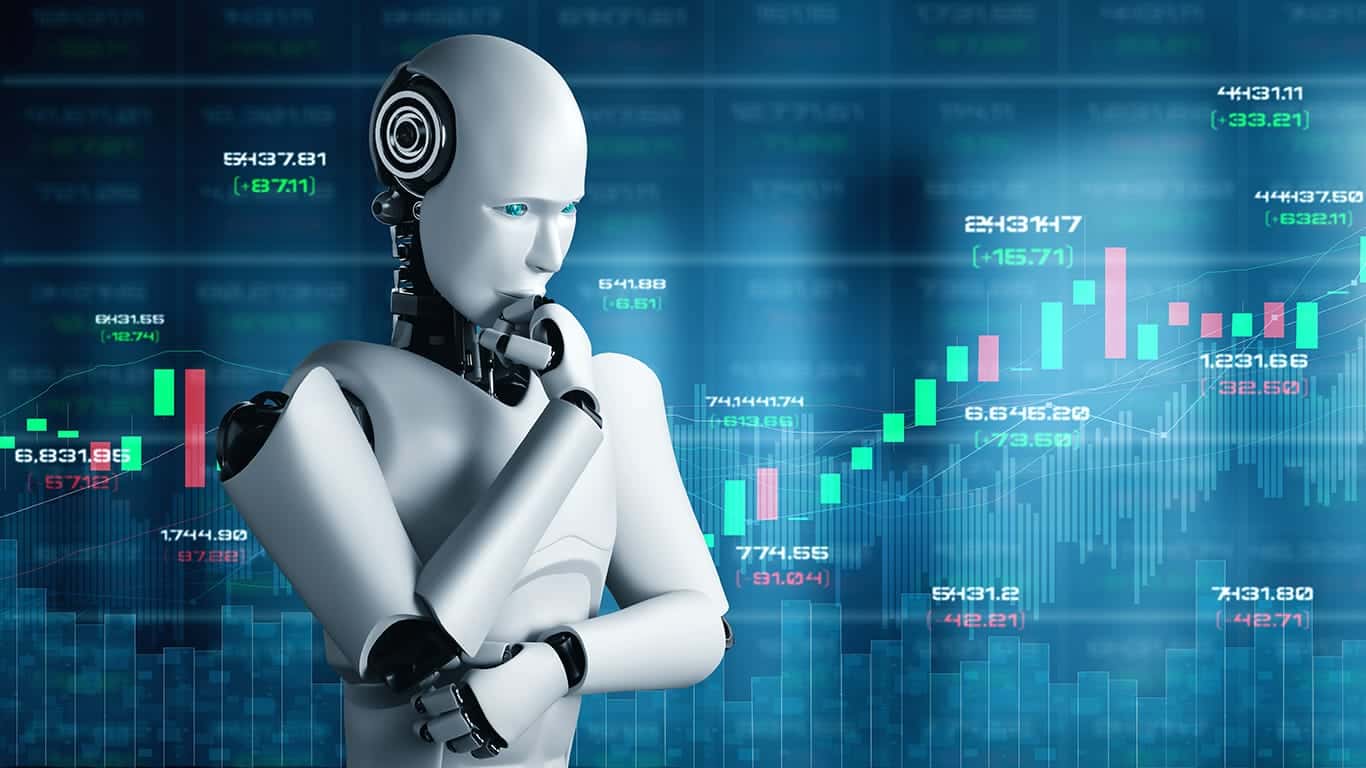
As Sequoia backs nuclear energy, we ask: Can algorithms truly value long-term, high-capital deep tech, or is human insight indispensable?
Sequoia Capital has reportedly led a substantial funding round for Valar, an emerging nuclear energy startup, signaling a significant shift in venture capital's appetite for long-duration, high-capital deep technology projects. This mega-round underscores a growing institutional belief in advanced nuclear power as a critical component of the global energy transition, potentially re-rating the sector's long-term investment profile.
The investment in Valar positions the company to accelerate its development of next-generation nuclear technologies, which could include small modular reactors (SMRs) or advanced fission concepts designed for enhanced safety and efficiency. Such a substantial capital injection from a tier-one venture firm like Sequoia often acts as a catalyst, attracting further investment and talent into a sector historically dominated by government funding and large industrial players.
This commitment by Sequoia, renowned for its early bets on transformative tech companies, reflects a broader trend of venture capital broadening its scope beyond software and biotech into hard-tech solutions addressing climate change and energy security. The inherent challenges of nuclear development, including lengthy regulatory processes and immense infrastructure costs, typically deter traditional venture investors more accustomed to shorter return horizons.
What It Means for the Energy Market
The substantial investment in Valar could be a bellwether for increased private capital flows into advanced nuclear technology, potentially disrupting conventional energy investment paradigms. This move by Sequoia suggests a re-evaluation of nuclear's role in achieving net-zero emissions, positioning it not just as a stable baseload power source but also as a potentially innovative, scalable solution for industrial decarbonization and grid modernization.
The financial backing could significantly de-risk Valar's technology development, allowing it to navigate the capital-intensive phases of design, regulatory approval, and eventual deployment more effectively. This accelerated path for Valar might spur competitors and encourage other venture funds to explore similar investments, creating a more vibrant, albeit still nascent, advanced nuclear ecosystem.
A significant funding round for Valar marks one of the largest single venture investments in a nuclear energy startup, reflecting growing confidence in deep tech climate solutions.
Background: The Resurgence of Nuclear
Global interest in nuclear power has seen a notable resurgence over the past decade, driven by escalating concerns over climate change, geopolitical energy independence, and the intermittency challenges of renewable energy sources. Governments worldwide are increasingly including nuclear in their long-term energy strategies, with policies aimed at fostering innovation in smaller, more flexible reactor designs.
The conventional wisdom has long held that nuclear energy is too slow, too expensive, and too politically charged for agile private investment. Large, centralized nuclear plants have faced decades-long construction timelines and cost overruns, deterring all but the most patient and well-capitalized entities. However, the emergence of advanced reactor designs, particularly SMRs, promises to challenge this narrative by offering modular construction, reduced footprints, and enhanced safety features, theoretically streamlining deployment and reducing capital expenditure risks.
The AI gold rush is claiming an unexpected casualty: the everyday consumer’s laptop. A severe global memory chip shortage, driven by the insatiable demand from AI data centers, is now constraining supply for mainstream devices like Apple’s MacBook Air. This isn't a typical supply chain blip; it's a systemic reallocation. Chip manufacturers have aggressively shifted production lines away from consumer DRAM and NAND to prioritize the high-margin, high-bandwidth memory required for AI infrastructure. As a result, components are scarce and prices are skyrocketing. Apple has already been forced to increase prices across its Mac lineup—including bumping the base MacBook Air up by $200 in June—and is struggling to maintain inventory, with delivery dates slipping into late August or September. For the Indian startup ecosystem, particularly hardware ventures, this signals intense headwinds. The era of cheap, abundant memory is effectively over for the medium term. Founders building hardware-dependent products must brace for escalating component costs and extended lead times as they compete for scraps in a market where hyperscalers are buying up manufacturing capacity.
Investors will closely monitor Valar's progress on key technical and regulatory milestones, including securing design certifications from nuclear regulators and demonstrating proof-of-concept for its reactor technology. Future funding rounds and strategic partnerships, particularly with utility companies or industrial off-takers, will also be critical indicators of the company's trajectory and the broader sector's maturation.
Beyond Valar, the market will be keenly watching policy developments in major economies, particularly subsidies and regulatory frameworks that could further accelerate advanced nuclear deployment. The success or failure of this and similar ventures will significantly influence whether the advanced nuclear industry can scale rapidly enough to meet ambitious global decarbonization targets, impacting energy utilities, industrial sectors, and long-term climate portfolios alike.
Frequently asked questions
What is the 'Are you a robot?' question referring to in the context of investing?
In this context, 'Are you a robot?' metaphorically questions whether automated systems or human intuition are better equipped to identify and value complex, long-duration deep technology investments like advanced nuclear energy. It probes the limitations of algorithms versus human foresight in spotting truly transformative opportunities.
Why is Sequoia Capital investing in nuclear energy?
Sequoia Capital's investment in Valar signals a growing belief in advanced nuclear power as a critical component for the global energy transition.
What is 'deep tech' investment?
Deep tech refers to investments in fundamental scientific and engineering breakthroughs that often require significant capital, long development cycles, and carry high risk but also high potential reward.
How does AI impact venture capital decisions?
AI can assist VC firms by analyzing market data, identifying patterns, and streamlining due diligence, but human judgment remains crucial for nuanced, strategic, and often qualitative assessments.
What are the challenges of investing in advanced nuclear power?
Challenges include high capital requirements, long regulatory processes, public perception, and the need for sustained, patient investment over many years.
Is advanced nuclear power part of the global energy transition?
Yes, many investors and experts view advanced nuclear power as a vital, carbon-free energy source essential for meeting climate goals and ensuring energy security.