Uber unexpectedly sold its entire stake in autonomous delivery firm Serve Robotics, a move that reportedly caught Serve off guard and signals diverging strategies.
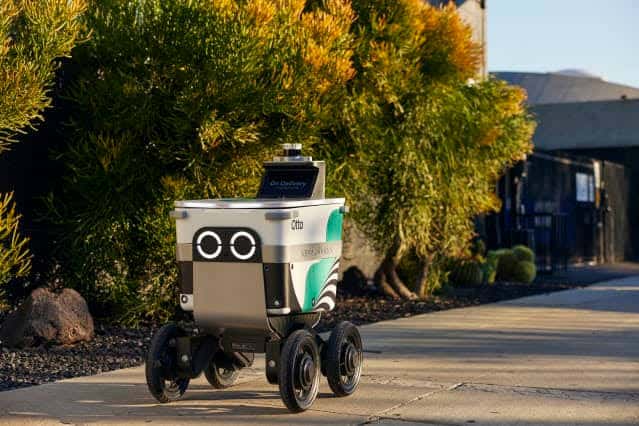
Uber has unexpectedly divested its entire stake in Serve Robotics, an autonomous last-mile delivery robot company that spun out from Postmates X.
The divestiture, disclosed in a regulatory filing, reportedly surprised Serve Robotics, which learned of the sale only after its official announcement.
The move highlights a growing divergence in business strategies between Uber and Serve Robotics, particularly concerning the operational model for scaling autonomous fleets.
Serve Robotics, a key player in the autonomous delivery sector, had a partnership with Uber Eats to deploy up to 2,000 sidewalk bots across multiple US markets.
This strategic pivot by Uber could signal a broader trend among large tech platforms to shed capital-intensive robotics ventures and focus on core services.
Why did Uber completely sell off its stake in Serve Robotics, the autonomous delivery firm it spun out and partnered with? Ride-hailing and food delivery giant Uber, founded in 2009, recently disclosed in a regulatory filing that it has divested its entire stake in Serve Robotics, the autonomous sidewalk delivery robot company established in 2021 from its acquired Postmates X division. This significant move, which reportedly came as a surprise to Serve Robotics management, marks a decisive shift in Uber's strategy concerning its involvement in the capital-intensive autonomous delivery sector. The complete sale was reported on August 11, 2026. Serve Robotics began as Postmates X, the robotics arm of the on-demand delivery startup Postmates, which Uber acquired in 2020 for a substantial $2.65 billion. A year later, in March 2021, the division spun out as an independent entity, adopting the name Serve Robotics after its distinctive autonomous sidewalk delivery bot that had been piloted by Postmates X. Uber not only provided initial backing to the newly formed company but also solidified a partnership in 2022, which was significantly expanded in May 2023 to integrate up to 2,000 Serve bots into the Uber Eats delivery network across various US markets. However, the close operational relationship between the two companies began to strain earlier this year. Serve Robotics co-founder and CEO Ali Kashani, during the company's second-quarter earnings call on August 6, 2026, highlighted a reversal in delivery volume trends through Uber. Kashani noted that while delivery volume through Uber had consistently grown for 17 consecutive quarters until Q1 of this year, Q2 saw a decline "caused by lower-than-expected robot utilization." This operational friction pointed to fundamental disagreements regarding the optimal strategy for scaling the shared autonomous fleet.
Uber acquired on-demand delivery startup Postmates in 2020 for $2.65 Billion.
What Led to Uber's Strategic Divestment?
The abrupt and complete divestiture by Uber can be traced to fundamental "differing views" on the operating model required to scale autonomous fleets, as articulated by Serve's CEO. This divergence likely stems from the inherent complexities and capital intensity of deploying and managing a large-scale robotics fleet compared to Uber's increasingly asset-light business model for ride-hailing and food delivery. While Uber has explored various autonomous vehicle technologies, partnering with over 30 AV tech companies, its direct ownership in such ventures has often been characterized by strategic shifts and divestments. The company's prior sale of its self-driving car unit, ATG, to Aurora in 2020, underscores a pattern of offloading capital-heavy R&D and operational ventures to focus on its core platform services. For Uber, the calculus likely shifted towards prioritizing profitability and reducing exposure to hardware development and complex logistical operations that fall outside its core software platform expertise. Integrating autonomous robots effectively requires deep operational alignment, fleet coordination, and merchant integration, areas where the two companies seemingly found strategic misalignment. The decision to exit Serve Robotics completely suggests that the perceived long-term benefits or strategic fit no longer justified the investment, indicating a viable path independent of Uber.
Editor’s Desk: The Reality of Autonomous DeliveryUber has officially exited its investment in Serve Robotics, quietly offloading its entire stake in the autonomous sidewalk delivery startup. Disclosed in a recent regulatory filing, this sudden divestment effectively ends an alliance that began when the robotics unit spun out of Uber’s Postmates acquisition in 2020. This is a stark reminder of the fragile nature of corporate partnerships in deep tech. The unraveling of this relationship wasn't driven by technological failure, but by severe operational friction. Serve noted a drop in Q2 delivery volumes from Uber, pointing to fundamental disagreements on how to properly coordinate and scale a shared autonomous fleet. For the startup ecosystem, Uber’s retreat signals that large tech platforms are increasingly unwilling to bear the heavy operational burdens of hardware-centric ventures. Uber is cementing an asset-light aggregator model, opting to work with multiple external autonomous vehicle partners rather than committing dedicated equity. For robotics founders, the lesson here is critical: survival demands diversified commercial agreements and independent paths to profitability. Relying on a single, monolithic corporate backer is no longer a viable safety net.
Serve Robotics had an expanded partnership with Uber Eats aimed at deploying up to 2,000 autonomous sidewalk delivery bots across multiple markets in the United States.
The Road Ahead for Autonomous Last-Mile Delivery
Uber's exit from Serve Robotics sends a clear signal about the challenges and evolving strategies within the autonomous last-mile delivery sector. While the promise of robotic delivery remains strong, the path to widespread, profitable deployment is fraught with technical hurdles, regulatory complexities, and the need for significant capital investment. The decision by a major player like Uber to fully divest suggests a cautious approach to direct involvement in highly capital-intensive deep tech ventures, preferring instead to potentially partner with multiple providers without holding equity. For Serve Robotics, this divestment, while surprising, could offer newfound strategic independence. The company's ability to demonstrate robust growth and utilization outside the Uber ecosystem will be critical to its future funding rounds and market positioning. This development underscores that the future of last-mile automation may not lie with single, exclusive partnerships but rather with diversified deployments across various platforms, allowing robotics companies to scale independently and optimize their technology for broader applications.
Frequently asked questions
Why did Uber sell its stake in Serve Robotics?
Uber's divestiture of its Serve Robotics stake reportedly stems from a growing divergence in business strategies between the two companies. While specific reasons weren't fully disclosed, it suggests Uber is streamlining its focus.
What is Serve Robotics?
Serve Robotics is an autonomous last-mile delivery robot company that originally spun out from Postmates X, focusing on developing and deploying robots for efficient local deliveries.
Was Serve Robotics aware of the sale beforehand?
No, Serve Robotics was reportedly surprised by the sale, learning of Uber's full divestment only after its official announcement in a regulatory filing.
What does this mean for Serve Robotics' future?
The divestment could lead Serve Robotics to seek new investors or partnerships, allowing it to pursue its strategic goals independently of Uber's broader corporate direction.
How does this reflect on Uber's strategy in robotics?
Uber's move suggests a potential shift away from direct ownership in certain robotics ventures, possibly favoring partnerships or focusing internal resources on core transportation and delivery services.
What is Postmates X?
Postmates X was the research and development division of Postmates, responsible for incubating innovative projects like Serve Robotics before Postmates was acquired by Uber.