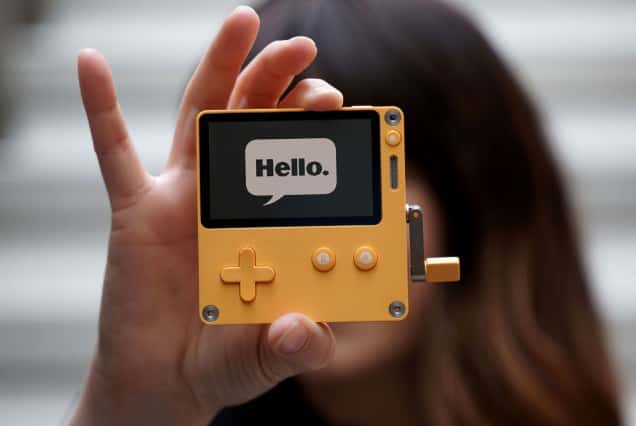
Panic's Playdate handheld sets a new standard for customer relations by returning tariff fees, a stark contrast to big console manufacturers' financial strategies.
Panic, the developer behind the Playdate handheld gaming device, has initiated refunds for tariff fees previously charged to customers, a move that starkly contrasts with the financial strategies of major console manufacturers. This decision to return an estimated $12.36 per unit to impacted customers demonstrates a distinct approach to customer relations and operational transparency, potentially setting a precedent for smaller hardware ventures in a market often dominated by larger players.
The refunds stem from US President Donald Trump's sweeping tariffs, which led Panic to increase the Playdate's price to offset rising import costs. Following the tariffs being deemed unlawful and subsequent government refunds becoming available to companies, Panic opted to pass these savings directly to consumers. The company informed affected customers via email that the $12.36 surcharge, originally imposed to cover tariff-related expenses, would be automatically returned to their accounts within days.
This action stands in opposition to the practices of industry behemoths such as Sony, Nintendo, and Microsoft, who largely retained tariff refunds for their own financial benefit. While these larger entities acknowledged the positive impact of such refunds on their revenue statements, they did not extend similar reimbursements to their customer bases. This disparity has even prompted class-action lawsuits against some major console makers, highlighting a growing consumer expectation for greater financial accountability from hardware producers.
What It Means
This decision by Panic highlights a critical divergence in operational philosophy between agile startups and established corporations within the consumer electronics sector. For a niche product like Playdate, which relies heavily on community engagement and brand affinity, the move to refund tariff fees reinforces a customer-first ethos that can be a powerful differentiator. In an era where brand trust significantly influences purchase decisions, particularly among early adopters of innovative tech, such gestures can yield long-term benefits in customer loyalty and advocacy.
My read is that this transparency could trigger a re-evaluation of how smaller hardware companies manage unforeseen supply chain costs and regulatory changes. While major players may absorb or retain such funds given their scale and market power, for a startup, every customer interaction is an opportunity to solidify its market position and narrative. It demonstrates a willingness to prioritize perceived fairness over short-term revenue gains, a strategy that resonates with the direct-to-consumer models often favored by emerging tech companies.
Panic is refunding customers $12.36 per Playdate unit, representing the exact tariff surcharge previously applied due to import costs.
The Context
Panic, a software and hardware developer, launched the Playdate handheld in a market saturated by established gaming consoles. The company, headquartered in Portland, Oregon, was founded in 1997 by Cabel Sasser and Steven Frank. Known for its unique design featuring a crank and a seasonal game delivery model, Playdate occupies a distinct segment within the portable gaming market. The company explicitly communicated its reluctance to impose the tariff surcharges, stating on its website, "Just so you know: We hate this. We know money is tight for everyone. We thank you for your patience and your kind understanding. Our deepest dream is that we can delete this line item, and this page, entirely, someday soon."
This sentiment highlights a broader trend in the startup community, a heightened focus on direct communication and perceived ethical practices with consumers. While larger firms like Nintendo, in a court filing, argued that consumers "received exactly what they bargained and paid for: a console, game and/or accessory at a price to which both parties agreed," Panic’s approach suggests a different interpretation of consumer trust. Cabel Sasser, Panic's co-founder, affirmed the decision, telling Game Developer, "It’s just not our money to keep, and it felt really good to give it back." Neven Mrgan, also from Panic, added on Bluesky that while the refund process involved significant work and likely impacted sales, "we still all agreed refunding them to customers was the right call." This reflects a product-centric philosophy prioritizing user experience and brand integrity above all else.
What Analysts Say
Industry observers might view Panic's move as a strategic investment in brand equity rather than a mere cost, particularly for a company operating in the competitive niche hardware market. While the financial impact of refunding a $12.36 fee per unit may be negligible for a multinational corporation, for a startup, it is a significant declaration of values. This could influence customer perception and foster a loyal user base, crucial for sustaining long-term growth and future product launches. The decision could also subtly pressure other smaller hardware manufacturers to consider similar transparent practices, especially those operating on tight margins and keen to distinguish themselves from larger, more impersonal entities.
Looking ahead, the industry will be watching how this goodwill translates into sustained market engagement for Playdate. While unlikely to force the hands of major console makers due to their differing scale and market dynamics, Panic's initiative serves as a powerful case study for emerging tech companies. The potential for enhanced brand reputation and customer loyalty, particularly in a segment driven by passionate early adopters, offers a compelling trigger for other startups to consider similar customer-centric financial policies when navigating unexpected economic variables.
Frequently asked questions
Why is Playdate refunding tariff fees to its customers?
Playdate is refunding tariff fees to proactively address additional import costs its customers faced. This decision reflects Panic's commitment to transparency and customer satisfaction, ensuring buyers are not burdened by unforeseen charges.
How much are Playdate customers receiving in tariff refunds?
Playdate customers are receiving an estimated $12.36 per unit as a refund for the previously charged tariff fees. This amount covers the additional import duties incurred, demonstrating the company's dedication to rectifying these costs.
How does Playdate's refund approach compare to major console manufacturers?
Playdate's refund approach starkly contrasts with major console manufacturers, who typically absorb or pass on similar tariff costs without offering refunds. Panic's decision sets a precedent for customer-centric financial strategies in the gaming industry.
Which company developed the Playdate handheld gaming device?
The Playdate handheld gaming device was developed by Panic, a software and video game company known for its unique and innovative projects. Panic's latest move to refund tariff fees further solidifies its distinctive brand identity.
Have other major console companies issued similar tariff fee refunds?
No, other major console companies have not publicly issued similar tariff fee refunds to their customers. Playdate's action is unique within the current gaming hardware market, distinguishing its operational transparency.
What is the broader impact of Playdate's tariff refund decision?
Playdate's tariff refund decision highlights a potential shift towards greater corporate responsibility and customer loyalty in the tech industry. It underscores how smaller companies can differentiate themselves through ethical practices, building stronger relationships with their user base.