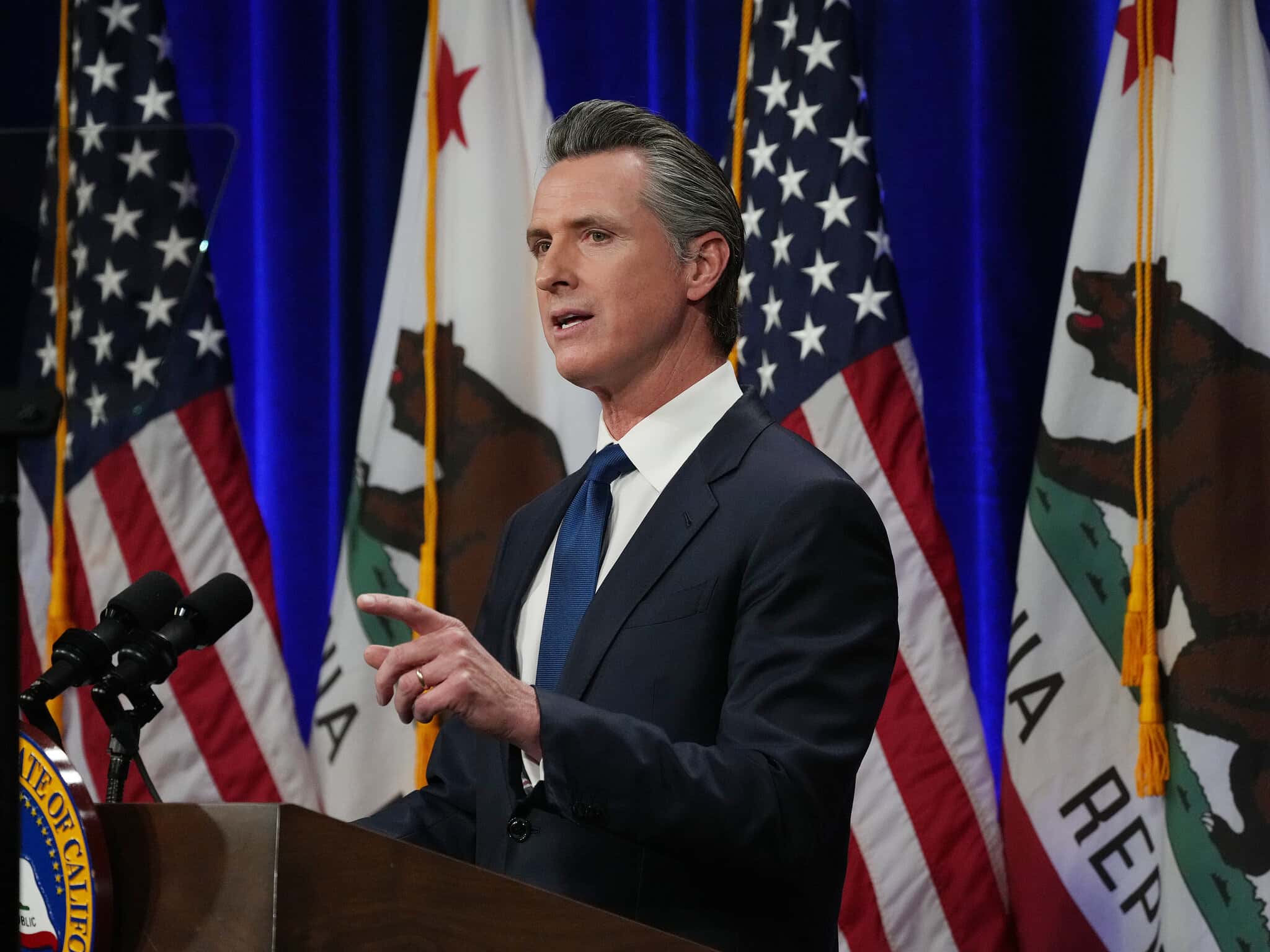
Newsom signs measures increasing pressure on social media and AI chatbot platforms to protect minors
California governor signs laws aimed at protecting kids from the risks of social media and AI chatbots, with Gov. Gavin Newsom approving a package on Thursday that raises legal and product pressure on large platforms. For companies distributing social products and conversational AI into markets such as South and Southeast Asia, where US product choices often travel faster than local regulation, the move is an early signal that child safety is shifting from trust-and-safety policy into liability, design, and compliance.
The laws signed by Newsom will allow penalties of up to $1 million per child if large social media companies are found negligent of harming children through their platforms. The package also bans tech businesses from offering addictive feeds to anyone under 16 and requires operators of AI chatbots to conduct risk assessments before rollout. Newsom signed the measures near San Francisco alongside state lawmakers and his wife, while Assemblymember Rebecca Bauer-Kahan said technology had been handed to children without being required to be safe. The timing follows Meta’s settlement with California and 28 other states in a 2023 lawsuit over features alleged to addict children, with the company agreeing to pay up to $18 billion and strengthen child safety measures. Meta spokesperson Jim Cullinan said restrictions on tailored feeds would limit the company’s ability to deliver relevant and age-appropriate experiences on Facebook and Instagram. Newsom’s move also comes after he signed a law last year requiring chatbot disclosure to users and vetoed a separate bill that would have barred companies from offering AI chatbots to users under 18 unless they could ensure the systems would not engage in sexual conversations or encourage self-harm. On Wednesday, Newsom also signed separate AI oversight laws backed by Anthropic that require California to create rules for independent groups to evaluate model safety risks and establish a registry of AI auditors financially independent from the companies they audit.
California, founded as a state long before the platform era and now home to the largest concentration of global consumer tech companies, functions in practice as a rule-setting market for social media and AI products that scale across borders. That matters for South and Southeast Asia because companies such as Meta and chatbot operators rarely build one child-safety product stack for California and another for India, Indonesia, or the Philippines unless local law forces it. My read is that the real business impact here is not only litigation exposure, but a likely redesign of recommendation systems, teen onboarding flows, age gating, audit trails, and launch review processes for AI products aimed at broad consumer adoption. That shift also creates a second-order effect for the creator economy and app distribution: if addictive feeds for users under 16 become a regulated design category in a major market, growth teams will have to justify engagement mechanics that were previously treated as product common sense.
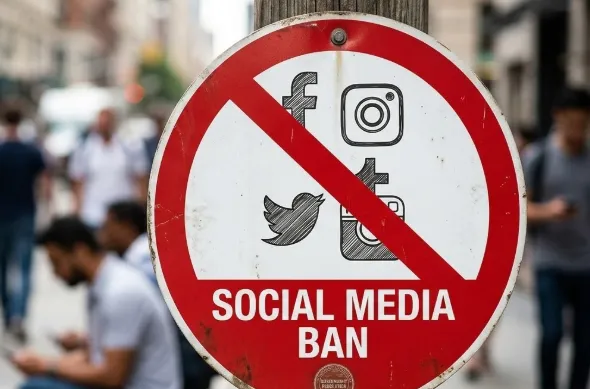
The broader pattern is already visible across companies and markets. Meta is at the center of the latest California settlement, while Anthropic has supported the state’s newer AI oversight framework. Platforms such as Facebook, Instagram, and other feed-based services are likely to be watched alongside chatbot operators as regulators move from content moderation to product architecture. For Asia’s digital companies, the closest comparable pressure points are emerging around youth-facing social apps, short video feeds, and AI companions, where policymakers are increasingly looking at whether recommendation loops, default personalization, and conversational systems should face the same scrutiny as any other mass consumer product that reaches minors.
The Product Liability Pivot
California’s new legislative package fundamentally reclassifies child safety from a subjective content moderation issue into a hard product liability threat. By imposing staggering penalties of up to $1 million per child for negligence, regulators are directly attacking the core unit economics of consumer platforms. Addictive features like algorithmically tailored feeds for users under 16 are no longer just aggressive growth tactics; they are now legally hazardous product architectures. For tech operators, the era of self-regulated engagement loops is officially closed.
The "California Effect" on Asian Markets
While this legislation is geographically bound to California, its operational blast radius is global. Silicon Valley hyperscalers and generative AI developers rarely bifurcate their core product stacks geographically to accommodate localized safety rules. Consequently, California's stringent age-gating, mandatory pre-deployment AI risk assessments, and independent audit registries will inevitably become the de facto baseline architecture deployed across India, Indonesia, and the broader Asian consumer internet. Regional founders competing with Western platforms must anticipate that these safety-by-design thresholds will soon dictate local consumer expectations and fast-track mirror legislation from Asian policymakers.
The Overhaul of the Creator Economy
This regulatory shift poses a structural challenge to the current creator economy playbook. The mandate to disable addictive, personalized feeds for minors directly degrades the algorithmic discovery engine that powers modern social distribution. Growth and product teams will be forced to decouple their retention strategies from hyper-personalized loops, demanding a complete redesign of youth onboarding flows and engagement mechanics. The platforms that survive this transition will be those that can successfully monetize utility, intentional communities, and explicit user intent, rather than relying on the brute force of algorithmic addiction.
Frequently asked questions
What laws did California's governor sign about social media and AI chatbots?
California Gov. Gavin Newsom signed a package of laws designed to better protect children from harms tied to social media platforms and AI chatbots. The measures increase legal and product pressure on major tech companies to reduce risks for minors.
Why is California targeting social media and AI chatbots for kids' safety?
State lawmakers and regulators are responding to concerns that algorithmic feeds, addictive design, and conversational AI can expose children to manipulation, harmful content, or unsafe interactions. California is trying to push platforms to build stronger protections into their products instead of reacting after harm occurs.
How could these California laws affect big tech platforms?
Large platforms may face tougher compliance, design, and legal accountability requirements when their products are used by minors. That could mean changes to default settings, safety features, moderation systems, and how AI chatbots interact with younger users.
Do California's new online safety laws matter outside the state?
Yes. California often shapes national tech policy because companies rarely build one version of a product for California and another for the rest of the US. Product changes made to comply there can influence users in other states and even international markets.
Could these laws change how AI chatbots are designed for teens?
Yes. Companies may need to add stricter guardrails, age-sensitive experiences, and clearer risk controls when chatbots are likely to be used by minors. The goal is to limit unsafe advice, emotional dependency, and other harmful interactions involving younger users.
What does this mean for startups and tech companies in Asia watching US regulation?
Startups in South and Southeast Asia should pay attention because US product and safety standards often spread faster than local regulation catches up. California's approach may become a reference point for product design, trust, and compliance decisions in other markets.