Draft rules could fine Meta, TikTok, and Instagram up to A$109 million for failing a duty of care to minors
Australia has proposed draft laws that could fine major social media platforms up to Aus$109 million, or $78 million, if they fail a new “duty of care” toward users under 18.
The measures target platforms such as Facebook, TikTok, and Instagram, and focus on harms including pornography, online bullying, crime glorifying content, and eating disorder content.
The draft rules would also require platforms to let users opt out of recommendation algorithms that shape what appears in their feeds.
The move builds on Australia’s under 16 social media ban that came into effect late last year, even as recent data showed usage by that cohort continued to rise.
For South and Southeast Asia’s consumer internet ecosystem, the proposal sharpens the policy debate around platform accountability, child safety defaults, and algorithmic distribution.
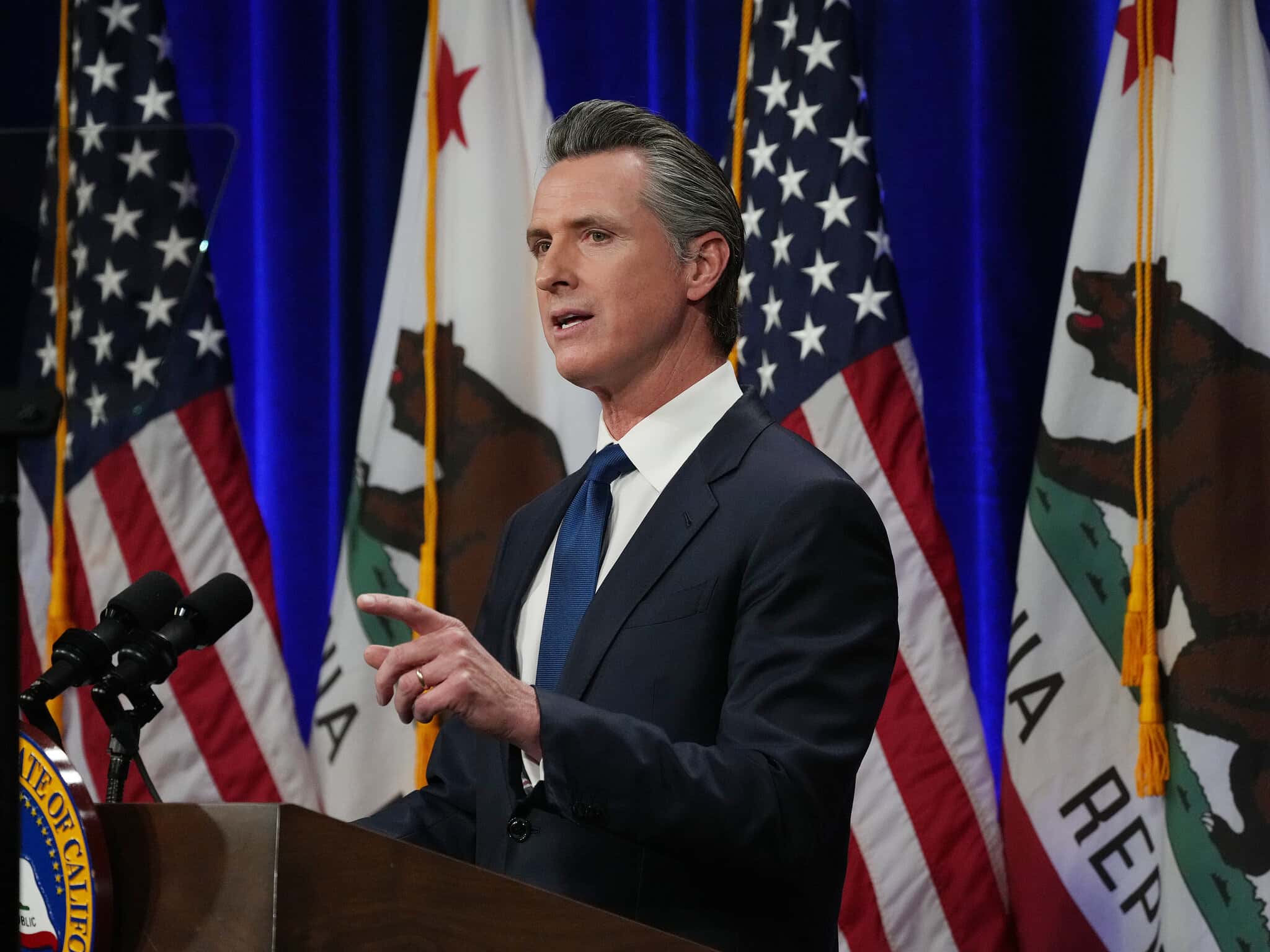
A teenage user opening Instagram or TikTok does not see regulation, they see an endless feed. Australia now wants the companies behind that feed to carry a legal obligation for what young users are exposed to. In draft laws unveiled by Prime Minister Anthony Albanese on Tuesday, platforms such as Facebook, TikTok, and Instagram could face fines of up to Aus$109 million, or $78 million, if they fail a new “duty of care” to protect under 18s from harmful content. For the broader internet sector, including consumer tech companies across South and Southeast Asia, this is less about one country’s crackdown and more about where digital platform governance is headed next.
The proposed framework puts accountability on the companies operating large social platforms, not just on users or parents. Under the draft laws, firms would be responsible for protecting minors from pornography, online bullying, content that glorifies crime, and material that encourages eating disorders. The legislation would also require platforms to give users the option to turn off recommendation systems, the algorithms that personalize feeds and drive discovery and time spent. Albanese said the government acted because the community had had enough, and said Australian children would no longer be treated as commodities instead of children.
Proposed maximum penalty: Aus$109 million ($78 million)
Scope: “Duty of care” obligations on platforms including Facebook, TikTok, and Instagram
From Intermediary Shield to Product Liability
Australia’s "duty of care" framework marks the definitive demise of the "neutral pipe" defense that defined the Web2 expansion era. By holding platforms legally liable for systemic content exposure rather than isolated infractions, regulators are classifying recommendation algorithms as active distribution mechanisms rather than passive software utilities. This effectively imports tort law into consumer tech: algorithmic amplification is now legally recognized as a conscious product design choice, subjecting engagement-maximization loops to negligence and harm thresholds.
The Valuation Threat of Algorithmic Opt-Outs
The provision mandating an algorithmic opt-out strikes directly at the monetization core of ad-supported platforms. The core unit economics of Meta, ByteDance, and Snap are built on predictive engagement engines designed to maximize session length, scroll depth, and programmatic ad yield. Decoupling users from hyper-personalized recommendation graphs degrades session duration, flattens feed velocity, and materially compresses ad inventory pricing power. For institutional investors, this is no longer a standard compliance line item; it is a structural headwind against ad-tech gross margins.
Regulatory Contagion Across Asian Ecosystems
Much like its earlier News Media Bargaining Code, Australia is once again functioning as a high-stakes testbed for global platform policy. For consumer internet startups and social platforms across India and Southeast Asia, this signals that "safety-by-design" is shifting from a corporate communications talking point to a mandatory architectural baseline. As regional regulators drafting digital competition and safety bills observe Australia's enforcement mechanisms, productFrom Intermediary Shield to Product Liability Australia’s proposed "duty of care" framework marks the definitive demise of the "neutral pipe" defense that defined the Web2 expansion era. By holding platforms legally liable for systemic exposure to harms like bullying and eating disorders, regulators are fundamentally reclassifying recommendation algorithms. They are no longer viewed as passive software utilities, but as active distribution mechanisms. This effectively imports a product liability model into consumer tech: algorithmic amplification is now legally recognized as a conscious design choice, subjecting engagement-maximization loops to strict negligence thresholds.
The Valuation Threat of the Opt-Out
The provision mandating an algorithmic opt-out strikes directly at the monetization core of ad-supported platforms. The unit economics of Meta, ByteDance, and Snap are built on predictive engagement engines designed to maximize session length, scroll depth, and programmatic ad yield. Decoupling users from hyper-personalized recommendation graphs degrades session duration, flattens feed velocity, and materially compresses ad inventory pricing power. For institutional investors evaluating social platforms, this is no longer a standard compliance line item; it is a structural tax on ad-tech gross margins.
Regulatory Contagion in Asian Markets
Much like its earlier News Media Bargaining Code, Australia is functioning as a high-stakes testbed for global platform policy. For consumer internet startups and social platforms across India and Southeast Asia, this signals that "safety-by-design" is shifting from a corporate communications talking point to a mandatory architectural baseline. As regional regulators drafting next-generation digital safety bills observe Australia's enforcement mechanisms, product teams must recognize a harsh new reality: algorithmic transparency and user-controlled feeds will soon become mandatory regulatory specifications, not elective product features.
That last point matters more than the headline fine. A mandatory opt out for algorithms strikes at the distribution engine that powers modern social media. If users can choose a less personalized feed, platforms may have to redesign compliance processes, product architecture, creator reach systems, and advertiser expectations. In my view, this is the part startup founders and growth teams in Asia should watch closely, because regulation is moving from content moderation at the edges to the mechanics of recommendation at the core.
Communications Minister Anika Wells said big tech was facing a “reckoning,” framing the issue as a consequence of platforms and tools becoming deeply embedded in daily life, with harmful side effects alongside the benefits. The timing is notable. The draft laws build on Australia’s under 16 social media ban, which came into effect late last year, yet data released last month found under 16s in Australia were still increasing their use of apps such as Instagram and TikTok. That contradiction tells you something important about internet regulation in 2026: bans may generate headlines, but enforcement and product design are where the real contest sits.
Why It Matters
For India and Southeast Asia, the significance is not that local startups will suddenly face Australian style penalties tomorrow. It is that policymakers globally are converging on a similar theory of harm, that algorithmic amplification, not just illegal content, can produce social risk. This changes the compliance burden for any consumer internet company whose growth depends on recommendation loops, especially in social, gaming, short video, creator economy products, and youth oriented communities. Sector tag: Consumer Tech.
There is also a brand and market trust angle here that often gets lost in policy reporting. When governments start treating recommendation engines as a public harm vector, platforms no longer get to defend themselves as neutral pipes. They become accountable media systems with product liability style obligations. That is a major shift for companies that built their businesses around maximizing engagement, because child safety defaults, feed transparency, and opt out controls can affect retention, monetization, and cross sell opportunities at the same time.
Australia said the draft laws will be introduced to parliament later this year after consultation with social media companies, industry bodies, and civil society groups.
The other reason this matters in Asia is the sequence of related developments now forming a trend line. Governments are becoming more comfortable intervening in product choices once considered purely commercial, from age assurance to feed ranking to safety by default. Australia’s proposal fits into that arc, and may offer a model that other jurisdictions adapt rather than copy outright.
What’s Next
The draft laws are set to go through consultation with social media companies, industry bodies, and civil society groups before being introduced to parliament later this year. That means the text can still evolve, especially on implementation details around how a “duty of care” is measured, what constitutes adequate mitigation, and how algorithm opt out would function in practice. But the direction of travel is already clear: governments want more than voluntary trust and safety commitments, they want enforceable product obligations backed by large penalties.
For platforms operating in South and Southeast Asia, including global players and regional consumer apps, the immediate takeaway is strategic rather than legal. Teams should assume that child safety, recommendation transparency, and user control will become board level issues, not just policy team talking points. Comparable companies from the region’s wider consumer internet and social distribution stack, including global and regional social platforms, are not named in Australia’s draft, but they are part of the same structural story. My read is that the next phase of internet regulation will not only ask what content platforms host, it will ask how aggressively their systems push that content toward young users, and whether users can realistically say no.
Frequently asked questions
What is Australia proposing for big tech platforms?
Australia has proposed draft laws that would impose a legal duty of care on major social media platforms toward users under 18. Companies that fail to reduce risks such as bullying, pornography, or harmful content could face fines of up to A$109 million.
Which companies could be affected by Australia’s new social media rules?
The draft rules are aimed at large platforms such as Facebook, Instagram, and TikTok, along with other major digital services used by minors. Any platform covered by the law would need to show it is taking meaningful steps to protect underage users.
How much could big tech companies be fined under the Australia proposal?
Under the proposal, penalties could reach as high as A$109 million, which is roughly US$78 million based on the article preview. The size of the fine signals that Australia wants child safety obligations treated as a major compliance issue, not a voluntary policy choice.
What kinds of online harm are targeted in Australia’s draft law?
The proposed law focuses on harms to minors including pornography, online bullying, crime-glorifying material, and eating disorder content. The goal is to make platforms actively reduce exposure to damaging content rather than respond only after harm occurs.
What does duty of care mean for social media platforms in Australia?
A duty of care would require platforms to take reasonable steps to prevent foreseeable harm to users under 18. In practice, that could mean stronger content moderation, safer product design, age-appropriate settings, and faster enforcement against harmful material.
Why does Australia’s move matter to US readers and tech companies?
Australia’s proposal adds to a broader global push to hold tech platforms legally responsible for child safety, similar to debates in the US and Europe. For American readers and companies, it shows how governments are moving toward stricter platform accountability with large financial penalties.