OpenAI's inaugural luxury retreat for influencers has ignited widespread online criticism, raising questions about AI ethics and creator accountability.
OpenAI’s ambitious foray into direct-to-consumer marketing, marked by its inaugural luxury influencer brand trip, has ignited a significant online backlash against both the company and its participating creators. This carefully curated retreat, whisking a select group of influencers to an exclusive upstate New York location, aimed to cultivate brand ambassadors for its burgeoning AI tools.
For OpenAI, the generative AI powerhouse behind ChatGPT, this move represents a calculated, yet sensitive, strategic pivot as it grapples with intensifying public scrutiny over the ethical implications and societal impact of artificial intelligence. Their aggressive push into mass-market consumer outreach, utilizing influencer marketing, signals a clear intent to broaden adoption beyond early tech enthusiasts, albeit one fraught with considerable reputational hazards.
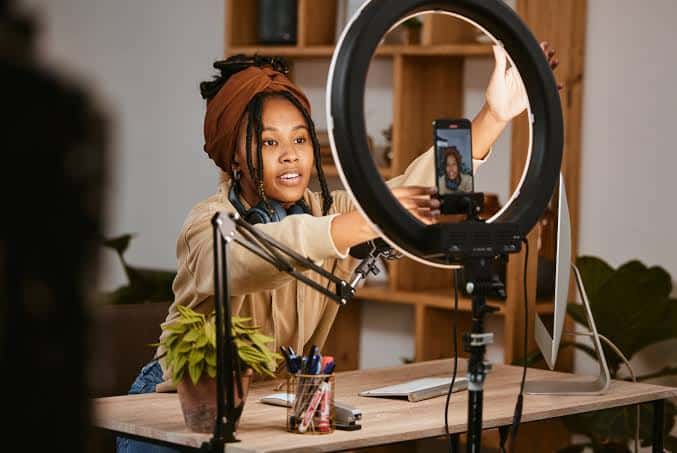
Attendees meticulously documented their experience, sharing glimpses of lavish farm-to-table dinners, serene wellness activities like beekeeping, and hands-on workshops designed to enhance their proficiency with OpenAI products, including the recently launched ChatGPT Work. These aesthetically pleasing posts, however, were quickly inundated with a barrage of critical comments, including accusations of perceived commercialism and questions about AI’s environmental impact.
OpenAI spokesperson Drew Pusateri defended the initiative as an "education-led" effort, emphasizing its goal to equip creators with practical knowledge of ChatGPT to share with their audiences. Nevertheless, the glaring optics of a luxury retreat promoting AI productivity tools, amidst widespread public discourse on AI's potential job displacement and ethical quandaries, creates an undeniable tension that undermines the intended message.
This engagement with the creator economy isn't an isolated incident for OpenAI; it aligns perfectly with the company's earlier strategic hire of Charles Porch as its first VP of global creative partnerships. Porch, a veteran "celebrity whisperer" from Instagram, was brought in specifically to bridge the gap between OpenAI’s technology and the broader creative community, embarking on a "listening tour" to understand creators' relationships with AI tools.
My read is that this signals a significant evolution in how foundational AI companies envision their path to mass adoption. Historically, deep tech companies focused on enterprise sales or developer relations; pivoting so sharply into consumer-style influencer marketing, complete with luxury perks, suggests OpenAI believes the next frontier for AI isn't just in the datacenter, but directly in the hands of the everyday user and their digital guides.
The choice of a luxury, wellness-focused retreat to promote AI productivity tools, however, feels particularly tone-deaf to the current cultural zeitgeist surrounding artificial intelligence. While the intent might have been to showcase a more human, accessible side of AI, it inadvertently highlighted a perceived disconnect between the tech elite's lavish experiences and the very real anxieties many people harbor about AI’s impact on their livelihoods and the broader society.
The backlash itself offers valuable insights into public sentiment. Comments questioning environmental impact and perceived compromises of integrity aren't merely cynical; they reflect a growing public sophistication about the multifaceted implications of AI. Audiences are increasingly capable of connecting the glossy, aspirational content with the often-overlooked, complex realities of technology development.
For the creators involved, accepting such invitations from a company as pivotal and controversial as OpenAI presents a unique challenge to their authenticity and audience trust. While brand trips are a standard part of the creator economy, aligning with a technology undergoing intense ethical debate can be a double-edged sword, potentially alienating segments of their audience who are skeptical or critical of AI’s rapid advancement.
OpenAI’s inaugural luxury influencer retreat in upstate New York was designed to make its generative AI tools feel accessible. Instead, the "Summer Camp"—complete with farm-to-table dining and beekeeping—triggered a massive online backlash. By aggressively pivoting to consumer-style influencer marketing, OpenAI is borrowing the playbook of legacy tech giants like Apple. But AI isn't a typical consumer gadget; it is a revolutionary technology currently fraught with deep societal and environmental anxieties. Parading creators through a pristine, nature-focused resort while operating highly energy- and water-intensive data centers struck skeptical netizens as textbook "greenwashing." While hiring Instagram veteran Charles Porch to engage the creator economy makes strategic sense for achieving mass consumer adoption, this specific execution was remarkably tone-deaf. If OpenAI wants to scale genuine public trust alongside its technology, it must trade lavish pastoral aesthetics for transparent, community-led education. The Silicon Valley "move fast and break things" era is over—especially when the public is watching.
This marketing strategy mirrors tactics long employed by established consumer tech giants like Apple or Samsung, who routinely engage lifestyle influencers to promote their latest gadgets. The critical difference here lies in the product itself: AI is not just another smartphone or social app. It's a nascent, revolutionary, and often misunderstood technology, making its public relations and marketing significantly riskier and more complex than consumer electronics.
The incident underlines a crucial tension: the "move fast and break things" ethos, often celebrated in Silicon Valley, is increasingly clashing with the slow, deliberate pace required for thoughtful public engagement on technologies with profound societal implications. OpenAI, as a leader in this space, is learning firsthand that scaling technology is one thing; scaling public understanding and acceptance is entirely another.
What strikes me here is the missed opportunity for a different kind of engagement. Imagine instead a program focused on practical, community-led AI education, perhaps in collaboration with non-profits or educational institutions, demonstrating AI's potential for social good rather than luxury experiences. That would have resonated differently with an audience eager for responsible innovation.
Ultimately, OpenAI's initial foray into influencer brand trips highlights the tightrope walk confronting all AI companies: balancing rapid innovation and ambitious growth targets with responsible public communication and genuine community engagement. How they recalibrate their marketing and outreach strategies in response to this palpable backlash will undoubtedly serve as a crucial case study for the entire AI industry navigating its path into the mainstream.
Frequently asked questions
Why are influencers facing backlash for attending the OpenAI trip?
Influencers are facing backlash primarily for participating in a luxury brand trip hosted by OpenAI, a company at the forefront of AI development. Critics argue that promoting AI without adequately addressing its ethical implications or potential societal impacts is irresponsible, especially given the perceived opulence of the event.
What was the purpose of OpenAI's luxury trip?
OpenAI organized the luxury trip to cultivate brand ambassadors and foster positive sentiment for its burgeoning AI tools among a select group of influencers.
Where did OpenAI's influencer retreat take place?
The exclusive retreat for influencers was held at an upstate New York location, aiming for a private and curated experience.
What kind of criticism is OpenAI receiving?
OpenAI is receiving criticism for its marketing strategy, perceived lack of ethical consideration in influencer partnerships, and for hosting a luxury event amidst ongoing debates about AI's impact.
How are influencers responding to the backlash?
While the article preview doesn't detail specific responses, typically influencers might issue apologies, defend their participation, or attempt to engage with critics to explain their perspective on the partnership.
Is this OpenAI's first attempt at direct-to-consumer marketing?
Yes, the article preview states this was OpenAI's 'inaugural luxury influencer brand trip,' marking an ambitious foray into direct-to-consumer marketing efforts.