iPhone 16, Apple Watch, AirPods, and smart home devices could make September 9 a huge Apple launch day
Apple will launch six major new products next week, if the current run of reports is right, and that would make September 9 one of the company’s most consequential launch days in years. For consumers in North America, this is not just another Apple keynote. It is shaping up as a broad refresh across phones, wearables, and audio, with a possible push into the smart home that could say a lot about where Apple thinks the next wave of demand is coming from.
Here’s what happened: expectations are coalescing around six headline devices, three new flagship iPhones, two Apple Watch models, and AirPods 5. The likely lineup includes the iPhone 18 Pro, iPhone 18 Pro Max, a foldable iPhone Ultra, Apple Watch Ultra 4, Apple Watch Series 12, and AirPods 5. That matters because it points to Apple trying to sell not one hero product, but an entire upgrade cycle.
The conventional view is simple enough. Apple’s September event is usually about the iPhone, with the Apple Watch and maybe AirPods playing supporting roles. That remains the strongest version of the case here, especially because the expected phone lineup includes what could be Apple’s first foldable iPhone, a product long rumored and now apparently close enough to launch to become the center of gravity.
But the more interesting read is that this event may be less about a single blockbuster and more about platform density. Apple appears ready to update the products people wear, carry, and use throughout the day, while also leaving the door open for home devices such as a home hub with a 7-inch touch screen, a HomePod mini 2, and a new Apple TV 4K. Those home products are still framed as less certain for next week, but even their presence in the rumor cycle is telling.
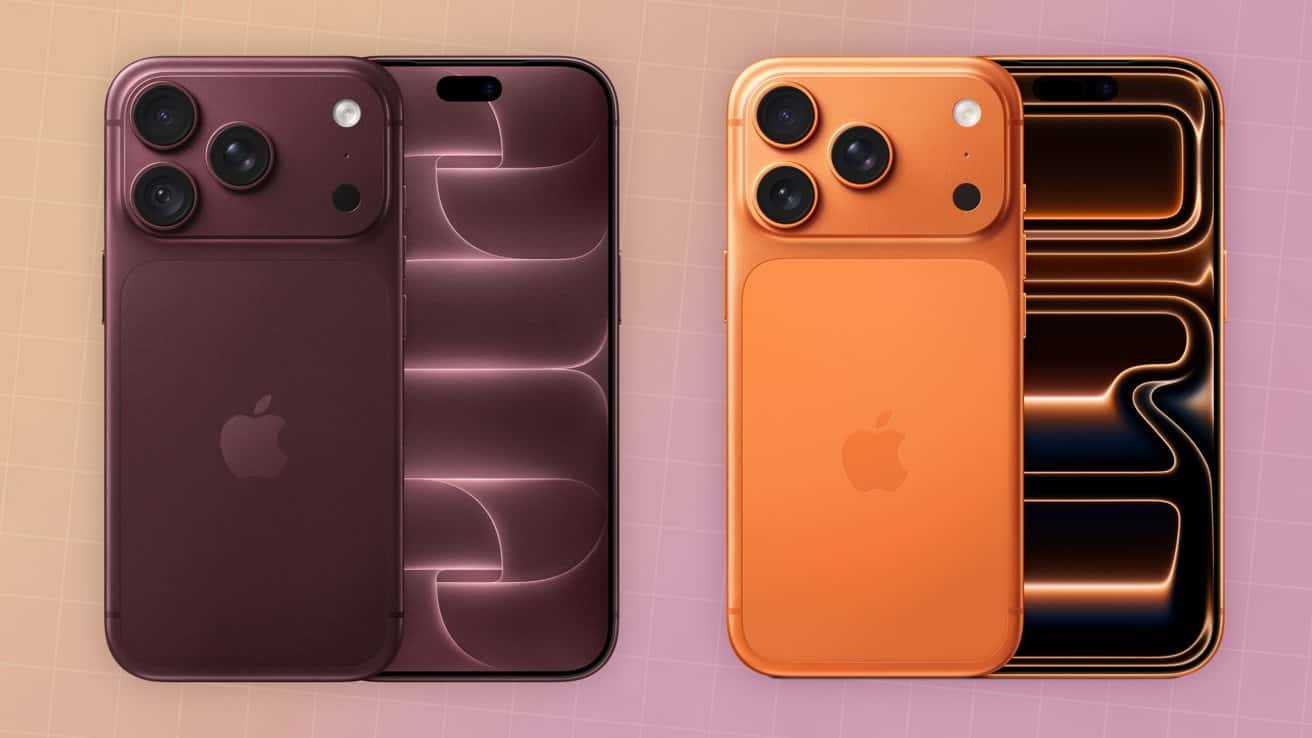
On the iPhone side, the expected trio gives Apple a very deliberate spread at the top of the market. The iPhone 18 Pro is rumored to bring the A20 Pro chip, major camera upgrades, new colors, and a smaller Dynamic Island. The iPhone 18 Pro Max is expected to add a larger battery and better efficiency, with reports pointing to Apple’s best battery life yet in that model. Then there is the iPhone Ultra, described as Apple’s first foldable iPhone, which would mark a significant change in product strategy if it arrives on schedule.
That foldable angle is the part observers and competitors will be watching most closely. Apple has historically entered categories later than rivals and then tried to define the mainstream version of the product. I think that is the right frame here too. If the Ultra debuts, it is less a science project than a signal that Apple believes foldables are ready for a premium push. In North America especially, where iPhone loyalty is widely seen as strong, that could reshape the conversation around foldables faster than years of Android experimentation have managed to do.
The Margin Ceiling Reset
The anticipated debut of the foldable iPhone Ultra is less about hardware novelty and more about testing the upper limits of consumer price elasticity. At a rumored $2,000-plus entry point, Apple is establishing an ultra-premium tier that immediately resets the margin ceiling for the entire smartphone industry. By accepting significant engineering tradeoffs—such as potentially swapping Face ID for Touch ID to achieve a razor-thin 4.5mm unfolded chassis—Apple is signaling that the physical form factor itself is now the primary luxury differentiator.
The Ambient Computing Web
However, the structural brilliance of this upcoming cycle lies in its ecosystem density. While the foldable iPhone Ultra will inevitably dominate the headlines, the simultaneous refresh of the Apple Watch Series 12, Watch Ultra 4, and AirPods 5 represents a calculated tightening of Apple’s ambient computing web. These peripherals are the actual stickiness of the iOS platform. Upgrades to health sensors and active noise cancellation are not just incremental spec bumps; they are high-frequency retention mechanisms.
The Ecosystem Pivot
If Apple successfully integrates a new touch-screen home hub with this wearable and mobile fleet, the September 9 event marks a definitive pivot. The strategic narrative is no longer just about upgrading a pocket-sized screen. It is about blanketing the user's entire physical environment—wrist, ears, pocket, and living room—with deeply integrated, high-margin hardware. For competitors, that synchronized ecosystem expansion is vastly more difficult to counter than a single folding phone.
Why this matters
For consumers, the expected Apple Watch updates could be just as practical as the iPhone announcements. Apple Watch Ultra 4 is rumored to bring new health sensors and design updates, while Apple Watch Series 12 is expected to add an upgraded S-class chip, an always-on heart monitor, and a ceramic option. Those are not flashy specs for the sake of it. Health monitoring and battery life are the kinds of features that make people actually replace devices they have kept for several years.
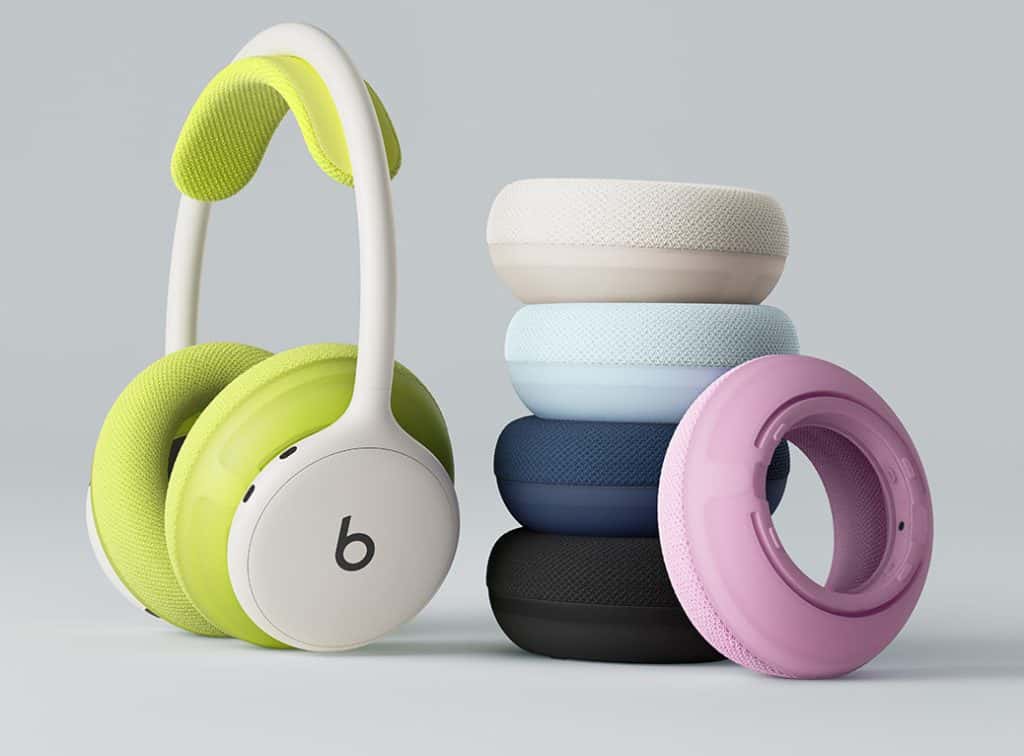
AirPods 5 fit the same pattern. The expected update includes base and ANC variants, with ANC meaning active noise cancellation, the feature that reduces background sound electronically. Reports also point to a new chip. That may sound incremental, but AirPods are one of Apple’s most important everyday products because they turn the iPhone into a fuller ecosystem product for calls, music, and Siri. If Apple can push more buyers toward better audio and noise cancellation at mainstream price points, it strengthens the rest of the ecosystem too.
The broader context matters here. Apple is heading into this event after a leadership shift, with new CEO John Ternus having teased a “huge launch” in a recent memo to employees. At the same time, the company is trying to keep multiple product categories fresh while AI has become the dominant narrative across tech. Apple’s answer appears less about one standalone AI gadget and more about adding intelligence across products people already use. The rumored home devices, including a touch screen hub and updated Siri-capable hardware, fit that direction.
That is why the smart home rumors should not be dismissed as side chatter. A home hub with a display, paired with a new HomePod mini and Apple TV 4K, would give Apple more surfaces for Siri, media, and home controls. It would also help the company compete more directly with Amazon and Google in a category where Apple has had pieces of the puzzle but not always a coherent center. If those products do appear, even in teaser form, the message would be that Apple wants a bigger role in the home after years of treating it as a secondary market.
The backstory
There is also a timing story here. Several other products are reportedly in the pipeline for later this fall, including a MacBook Ultra, M6 MacBook Pro, M6 iMac, and an OLED iPad mini, with October seen as the more likely window for those. In other words, Apple seems to be stacking the calendar. September could focus on the pocket, wrist, and ears, while Macs and iPads get their own stage later. From a product marketing standpoint, that is cleaner and probably smarter than trying to cram everything into one event.
The other notable detail is what apparently will not show up yet. Recent leaks had suggested AirPods with cameras could arrive in September, but that product is now said to be coming in 2027 instead. That delay is revealing in its own way. It suggests Apple is still selective about when experimental hardware is mature enough for release, even as it broadens the number of product launches around a single event.
I think the strongest challenge to the conventional wisdom is this: next week may look like an iPhone event on the surface, but structurally it could be an ecosystem event. The rumored lineup touches communication, health, entertainment, and home control. That is a bigger strategic move than just rolling out another annual phone refresh. Apple has long been at its best when each product makes the others more useful, and this slate appears designed around exactly that logic.
For North American buyers, there is a practical takeaway too. People who have been holding onto older iPhones, older Watches, or aging AirPods may get a more compelling reason to upgrade than they have in some recent cycles. A better camera system, improved battery life, new health features, and stronger audio are easy to understand. A foldable flagship and new home hardware would add the kind of novelty that can pull attention back toward Apple hardware at a moment when many consumers have become more selective with big ticket purchases.
There is still room for surprise. Apple could keep some home products for later, and some rumored Macs and iPads could make cameo appearances even if they are not the main event. But based on the reporting so far, the center of the launch looks set: three flagship iPhones, two Apple Watches, and AirPods 5. If that lineup holds, September 9 will not just introduce new devices. It will show how Apple plans to connect its next generation of hardware into one more tightly integrated pitch for consumers, and that strategy may matter more than any single spec sheet.
Frequently asked questions
What six major new Apple products could launch next week?
Reports point to six headline products: the iPhone 16 lineup, Apple Watch Series 10, Apple Watch Ultra 3, AirPods 4, and a possible new smart home device. Depending on how Apple bundles the iPhone models, the event could span phones, wearables, audio, and home tech in one keynote.
When is Apple expected to announce these new products?
Apple is widely expected to unveil the new products on September 9. If that timing holds, preorders would likely open soon after, with retail availability following within days or weeks.
Will the iPhone 16 be the biggest product at Apple’s event?
Yes, the iPhone 16 lineup is expected to be the centerpiece of the event because it drives the most consumer demand and media attention. New Apple Watches and AirPods may also matter, but the new iPhones will likely set the tone for the launch.
What new Apple Watch models are expected next week?
The most talked-about watch launches are Apple Watch Series 10 and Apple Watch Ultra 3. These models are expected to bring updated hardware and possibly design or health-focused improvements, though Apple has not confirmed details.
Are new AirPods expected at Apple’s September event?
Yes, new AirPods are widely expected to be part of the announcement, with AirPods 4 mentioned most often in reports. That would give Apple a broader refresh across its major consumer device categories in a single event.
Could Apple launch a new smart home device too?
Possibly, and that is one of the more intriguing parts of the speculation around this event. A smart home hub or display would signal that Apple is pushing more aggressively into the connected home, not just phones and wearables.