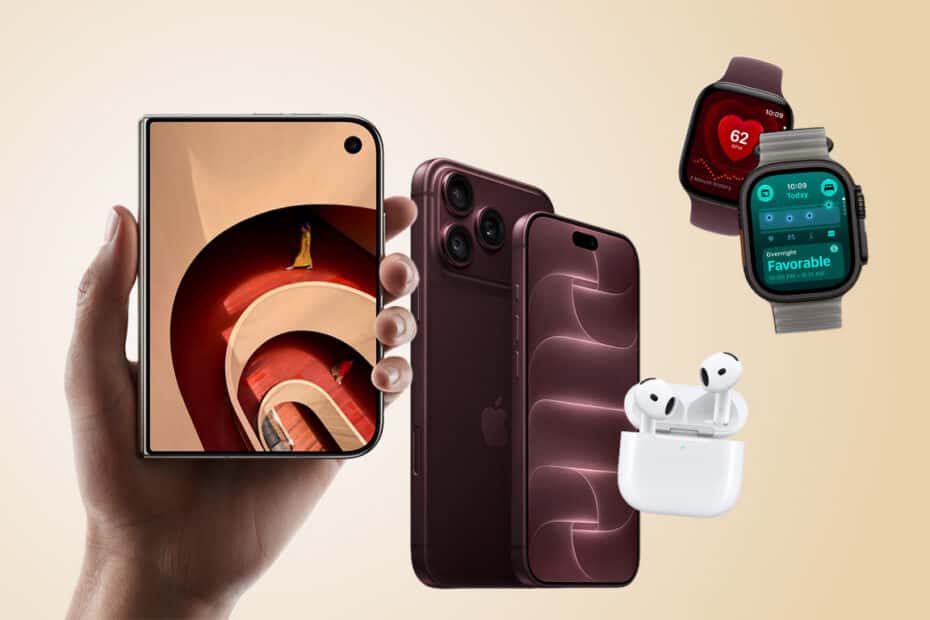
Apple unveils the foldable iPhone Duo, on-device AI upgrades, and an always-listening Apple Watch
Apple used its fall product event to do two things investors have been waiting for, enter foldables and push harder on on device AI, moves that could reopen a maturing premium smartphone market while raising the bar for rivals across handsets, wearables and accessories. The headline product was the iPhone Duo, Apple’s first foldable, priced at $1,999, while updates to the iPhone 18 Pro, Apple Watch and AirPods suggest the company is trying to widen average selling price expansion beyond the phone itself.
The immediate read is straightforward: a new category at the top end of Apple’s range should support revenue mix and reinforce the company’s pricing power. The less comfortable reading for bulls is that Apple still leaned heavily on incremental hardware changes elsewhere, which means the foldable has to carry more of the narrative than a normal September cycle would.
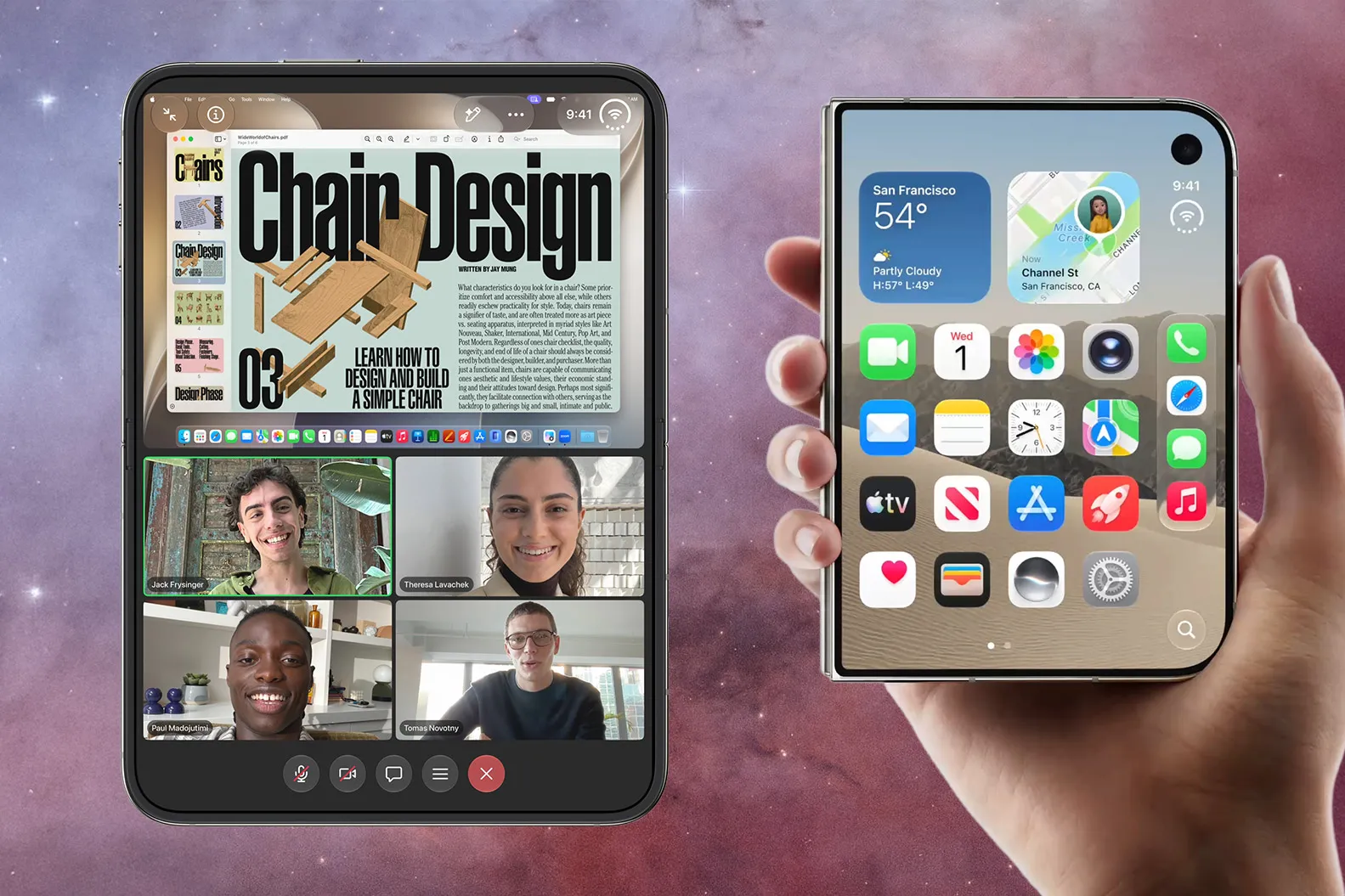
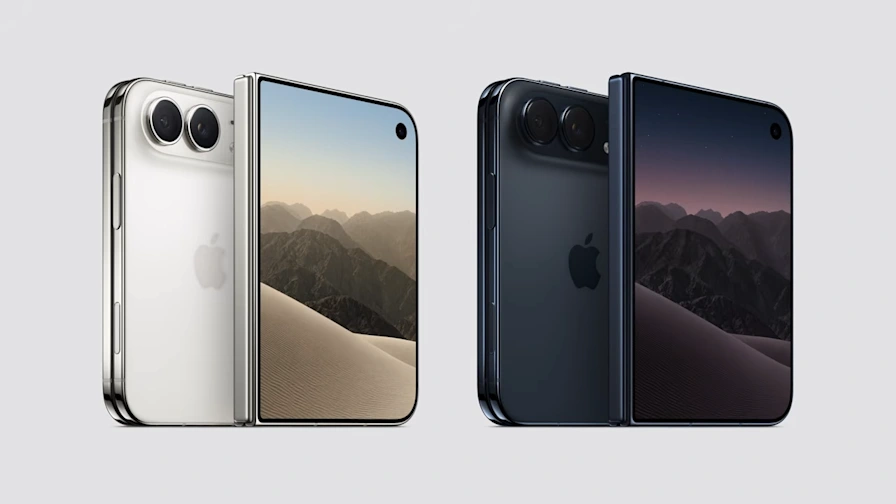
At the center of the launch was the iPhone Duo, a book style foldable with a 7.6 inch Retina display when unfolded and a 5.4 inch outer display. Apple said the device was inspired by the iPad’s versatility, uses an underdisplay camera on the inner screen, and delivers up to 31 hours of video playback on the inner display and up to 44 hours on the outer display. It starts at $1,999 with 256GB of storage, with preorders opening October 16 and store availability beginning October 23.
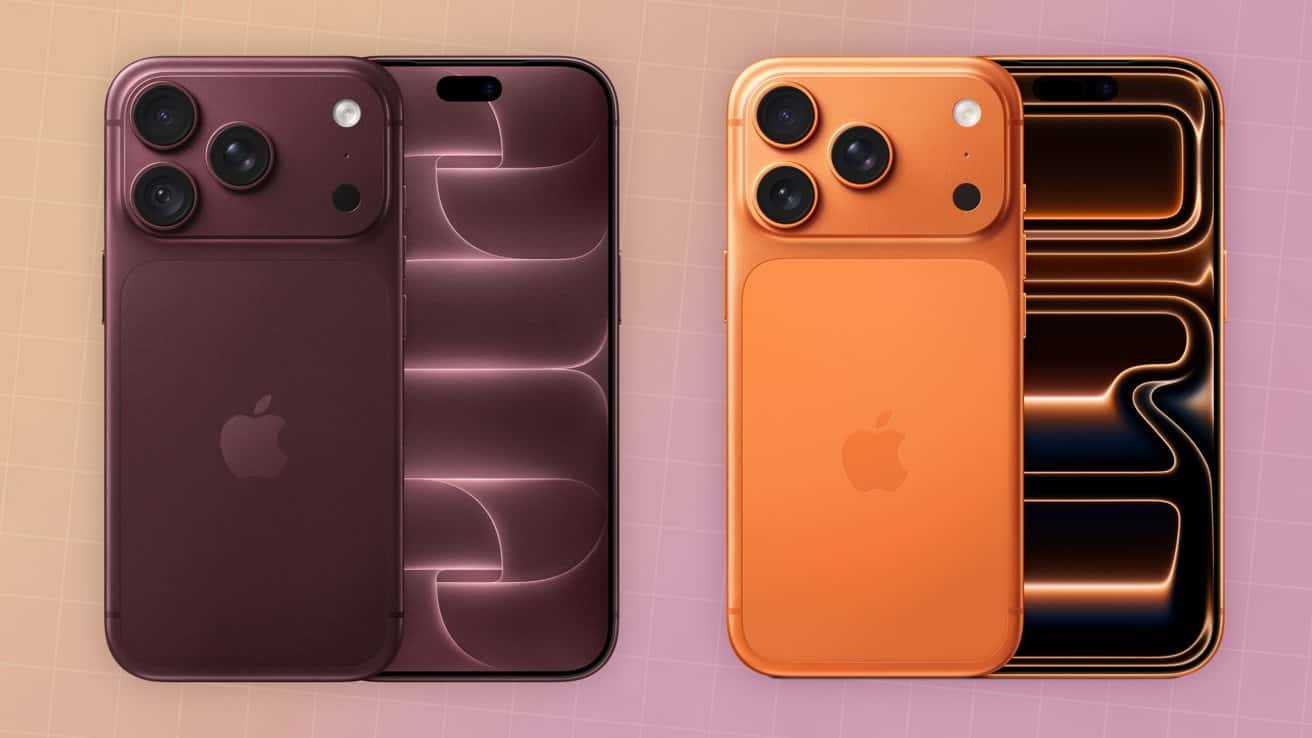
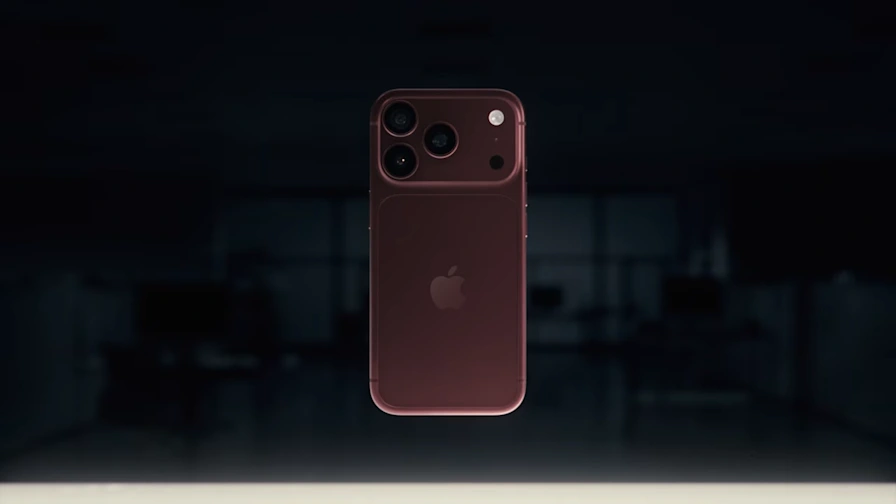
Apple also introduced the iPhone 18 Pro and iPhone 18 Pro Max, which keep the existing industrial design but get a camera overhaul that matters for margin protection because it gives buyers a reason to trade up without radically changing the chassis. The iPhone 18 Pro starts at $1,199 and the Pro Max at $1,299, which is $100 more than last year’s models. Both go on preorder Saturday and will be available on September 18.
The rest of the lineup broadened the upgrade pitch. Apple Watch Series 12 starts at $399 and Apple Watch Ultra 4 at $499, both available September 18, with new "Audio Intelligence" features including "Live Rewind," "Siri Recap," and "Sound Recognition" for sirens, alarms, doorbells and a baby crying. AirPods 5 start at $129, or $149 with a Wireless Charging Case, and Apple said active noise cancellation reduces background noise by 50% more than the previous generation. A redesigned Health app, rolling out later this year in U.S. English, adds an Insights tab, a "Readiness" score, "Health Age," and a Longevity tab tied to Apple Watch and iPhone data.
The CapEx of the Ultra-Premium Pivot
Apple’s introduction of the $1,999 iPhone Duo under new CEO John Ternus is not merely a late-stage entry into the foldable form factor; it is a calculated defense of its margin ceiling. By launching a device that trades mass volume for iPad-like productivity and ultra-premium pricing, Apple is actively decoupling its revenue growth from the stagnating smartphone replacement cycle. The Duo exists to establish a new aspirational anchor, forcing the rest of the market to compete against a blended mobile-tablet ecosystem rather than just another slab of glass. For competitors, this permanently resets the cost of doing business at the top end of the hardware market.
The Invisible AI Architecture
While the industry obsesses over dedicated generative AI hardware, Apple is executing a masterclass in ambient integration. Embedding "Audio Intelligence" and conversational recall into the Apple Watch Series 12 and AirPods 5 signals a profound strategic pivot: AI is not a standalone product; it is the invisible connective tissue of the existing ecosystem. By turning wearables and the redesigned Health app into persistent, context-aware endpoints, Apple makes its AI feel mundane and indispensable. This eliminates the adoption friction that plagues standalone AI gadgets, locking users deeper into a high-margin hardware dependency loop.
The Staggered Margin Strategy
The decision to heavily segment the launch, pushing the Duo to a late October release while immediately capitalizing on the $100 price hike for the iPhone 18 Pro and Pro Max, is a brutal, effective margin capture strategy. In aspirational markets like India, this dual-track rollout works flawlessly. It captures the immediate upgrade frenzy through iterative camera overhauls on the Pro tier, while planting the Duo as the ultimate status symbol for the festive quarter. Ternus is signaling that Apple's hardware execution remains ruthless, protecting its ecosystem moat not by being first, but by being inescapable.
What It Means
The conventional wisdom is that Apple’s first foldable is mostly symbolic, a defensive response to devices that have existed for years elsewhere and too niche to matter financially. That view has force, especially at $1,999, a price that confines the iPhone Duo to Apple’s highest spending customers and leaves the broader installed base looking at more iterative updates.
Still, that reading misses how Apple usually monetizes new hardware categories. The company does not need foldables to become mass market immediately for the product to matter. It needs the category to be credible, premium and tightly linked to the rest of its ecosystem, because even modest unit volume at that price point can lift mix, and the launch gives Apple room to reframe the iPhone as a productivity device with iPad adjacency rather than a mature slab in a replacement cycle.
$1,999, the starting price of Apple’s first foldable iPhone Duo, positions the device as a margin and mix product first, not a mass volume play.
The AI story is the second leg of the strategy, and here Apple is making a more subtle bet than many peers. Instead of introducing a separate AI device, it is weaving listening, recall and health interpretation into products consumers already wear or carry. The watch’s conversation recap features and the Health app’s personalized scoring system suggest Apple sees ambient computing as an attach and retention opportunity inside its installed base, not only as a new hardware category.
That matters because the company’s challenge is no longer just selling one more phone. It is defending relevance as AI shifts value toward software assistance, voice interfaces and context memory. By putting those features into Apple Watch, AirPods and Health, Apple is spreading the upgrade case across several products at once, which could soften the risk that any single flagship underwhelms.
Background
This was Apple’s first fall event under CEO John Ternus, which gave the product slate added weight beyond the usual annual refresh. Leadership transitions at Apple are typically judged less on one quarter’s sales than on whether product discipline holds and whether the company can still create a category shift from a position of scale. Launching a foldable in that context was as much a governance signal as a hardware one.
The iPhone Duo’s design choices show Apple entering the category cautiously rather than chasing novelty for its own sake. The hinge is made from Grade 5 aluminum and includes more than 100 specially engineered components, according to the company, a detail that signals where Apple thinks foldables have historically disappointed users: durability, smoothness and feel. Rear camera selfies with preview on the outer display mirror features already familiar in foldables, but Apple’s framing around iPad like utility hints at a broader productivity argument.
Meanwhile, the iPhone 18 Pro line reflects a different pattern in Apple’s recent strategy, keeping the shell familiar while using imaging and software controls to justify higher prices. The new 48 megapixel sensor has a variable aperture controlled by six thin blades, and the camera software adds white balance, shutter speed, aperture and histogram controls, plus more customizable "Photographic Styles." The company also said the camera can record 4K video in Dolby HDR Vision and apply cinematic effects after shooting, an appeal to creators that remains one of the steadier reasons premium users pay up.
Wearables and accessories were no sideshow. Apple Watch did not get a major hardware makeover, but the software stack moved into more sensitive territory by summarizing parts of daily conversations and replaying the previous 15 seconds as text. AirPods 5, with stem based volume control and upgraded transparency mode, fit the same theme of reducing friction in ambient use. The redesigned Health app then ties those products back into a longer cycle of engagement built around sleep, movement, heart health and readiness, which is strategically valuable because health features can keep users inside Apple’s services and hardware loop long after a phone purchase.
What Analysts Say
There were no analyst comments provided alongside the announcements, but the debate on Wall Street is likely to fall into a familiar split. The bullish case is that Apple has found another ultra premium tier, raised Pro pricing by $100, and continued to enrich the ecosystem around watch, earbuds and health data, all of which supports a richer revenue mix. The skeptical case is that only one product, the iPhone Duo, materially changes the script, and its late October availability means the market will need to wait for evidence that demand extends beyond early adopters.
My read is that the stronger signal lies in how the pieces connect. The foldable can refresh the top end of the iPhone portfolio, but the more durable shift may be Apple’s attempt to make AI feel mundane, persistent and embedded in products people already own. If that works, the company could avoid the binary outcome facing more speculative AI hardware efforts. If it does not, investors may decide the event offered a premium price reset without a commensurate jump in utility.
The next catalysts are tightly defined: preorders for Apple Watch Series 12, Apple Watch Ultra 4 and AirPods 5 opened immediately, with store availability on September 18; iPhone 18 Pro and Pro Max also arrive on September 18 after Saturday preorders; and the iPhone Duo opens for preorder on October 16 before reaching stores on October 23. Those dates will determine whether enthusiasm for Apple’s fall event turns into a broader upgrade cycle or remains concentrated in Apple’s most loyal buyers.
Frequently asked questions
What did Apple announce at its fall iPhone event?
Apple announced the foldable iPhone Duo, updates to the iPhone 18 Pro lineup, expanded on-device AI features, and an always-listening Apple Watch. The event focused on new hardware categories and deeper AI integration across Apple devices.
How much does Apple’s foldable iPhone Duo cost?
Apple priced the new foldable iPhone Duo at $1,999. That positions it as a premium flagship aimed at high-end buyers and puts Apple directly into the foldable smartphone market.
What is new in Apple’s on-device AI push?
Apple is pushing harder on on-device AI, meaning more AI features run directly on its hardware instead of relying as heavily on the cloud. That approach can improve privacy, reduce latency, and help Apple differentiate its ecosystem from rivals.
What does an always-listening Apple Watch mean?
An always-listening Apple Watch suggests the device can stay ready for voice input and AI-driven assistance without requiring as much manual activation. In practical terms, it points to faster interactions, more ambient computing features, and tighter integration with Apple’s AI tools.
Why does the iPhone Duo matter for Apple and investors?
The iPhone Duo matters because it gives Apple an entry into foldables, a category investors have watched for years as the premium smartphone market matures. It could create a new upgrade cycle for Apple customers while increasing pressure on Samsung and other handset makers.
Did Apple focus more on hardware or AI at the event?
Apple emphasized both, but the clearest themes were foldable hardware and on-device AI. The company used the event to show new devices while also signaling that AI will be a core selling point across phones, watches, and accessories.