India must rapidly boost electricity supply to stay competitive in AI, says Bloom Energy founder
India could face significant economic costs if it fails to quickly expand electricity generation to support the rapid growth of AI and data centres, according to Bloom Energy founder KR Sridhar. He said the country needs a mix of energy sources—including nuclear, hydro, solar, wind and natural gas—to meet rising demand, warning that delays of even a few years could make it harder for India to compete in the global AI race.
3 Min Read


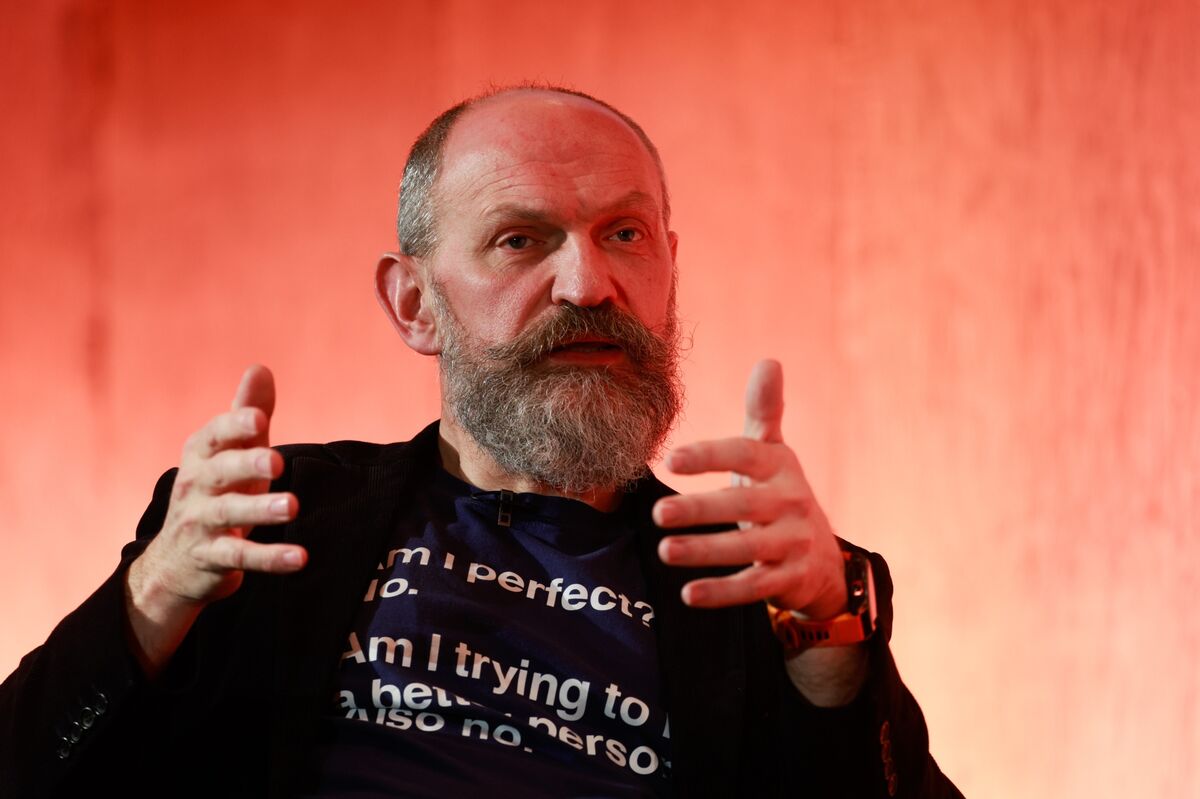
India could face severe economic consequences if it fails to rapidly expand electricity generation to support artificial intelligence infrastructure, according to KR Sridhar, Founder, Chairman and CEO of Bloom Energy.
Speaking to CNBC-TV18, Sridhar said the pace of AI development means countries cannot afford delays in building the energy systems needed to support data centres.
Sridhar said India currently consumes around 2,000 terawatt-hours of electricity annually, compared with 10,000 terawatt-hours in China. He argued that India would need to scale power generation significantly in a short period to remain competitive.
He cautioned against relying solely on renewable energy sources for the AI economy.
"No one technology — especially solar and wind, because of the amount of land they require and because there are other needs for land and water — can do it alone," he said.
According to Sridhar, solar and wind power are intermittent and therefore not ideally suited to support the continuous and concentrated power requirements of large data centres.
He advocated an "all-of-the-above" approach that includes nuclear energy, hydro power, solar and wind, alongside natural gas.
"Should there be nuclear? The answer is yes. Should there be solar, wind and hydro? The answer is yes," he said.
Sridhar said data centres should increasingly rely on dedicated on-site generation because conventional grids are not designed to handle massive, concentrated and fluctuating loads.
He warned that forcing existing transmission systems to support such demand could increase electricity costs for other consumers and create reliability challenges.
The Bloom Energy chief also highlighted the importance of energy security, saying India could diversify natural gas supplies through friendly countries including Australia, Canada, the US and nations in the Middle East.
"Reliably, today, natural gas works," he said, adding that green hydrogen could become a future alternative.
Sridhar said speed of execution would be crucial in the AI era and pointed to Bloom Energy's recent project for Oracle, where the company delivered 55 megawatts of power infrastructure in 55 days despite initially committing to a 90-day timeline.
"Our goal is to shorten it to one day, where it's so easy to deploy and it's a Lego block-like model, where not only can you do it quickly, but you only pay as you grow," he said.
He added that the ability to rapidly add capacity would become increasingly important as AI infrastructure expands globally.
Speaking to CNBC-TV18, Sridhar said the pace of AI development means countries cannot afford delays in building the energy systems needed to support data centres.
"The speed at which AI is moving means that if India misses this by a few years, the economic impact of trying to catch up is going to be pretty severe," he said.
Sridhar said India currently consumes around 2,000 terawatt-hours of electricity annually, compared with 10,000 terawatt-hours in China. He argued that India would need to scale power generation significantly in a short period to remain competitive.
He cautioned against relying solely on renewable energy sources for the AI economy.
"No one technology — especially solar and wind, because of the amount of land they require and because there are other needs for land and water — can do it alone," he said.
According to Sridhar, solar and wind power are intermittent and therefore not ideally suited to support the continuous and concentrated power requirements of large data centres.
He advocated an "all-of-the-above" approach that includes nuclear energy, hydro power, solar and wind, alongside natural gas.
"Should there be nuclear? The answer is yes. Should there be solar, wind and hydro? The answer is yes," he said.
Sridhar said data centres should increasingly rely on dedicated on-site generation because conventional grids are not designed to handle massive, concentrated and fluctuating loads.
He warned that forcing existing transmission systems to support such demand could increase electricity costs for other consumers and create reliability challenges.
The Bloom Energy chief also highlighted the importance of energy security, saying India could diversify natural gas supplies through friendly countries including Australia, Canada, the US and nations in the Middle East.
"Reliably, today, natural gas works," he said, adding that green hydrogen could become a future alternative.
Sridhar said speed of execution would be crucial in the AI era and pointed to Bloom Energy's recent project for Oracle, where the company delivered 55 megawatts of power infrastructure in 55 days despite initially committing to a 90-day timeline.
"Our goal is to shorten it to one day, where it's so easy to deploy and it's a Lego block-like model, where not only can you do it quickly, but you only pay as you grow," he said.
He added that the ability to rapidly add capacity would become increasingly important as AI infrastructure expands globally.
(Edited by : Prashant)
Source link