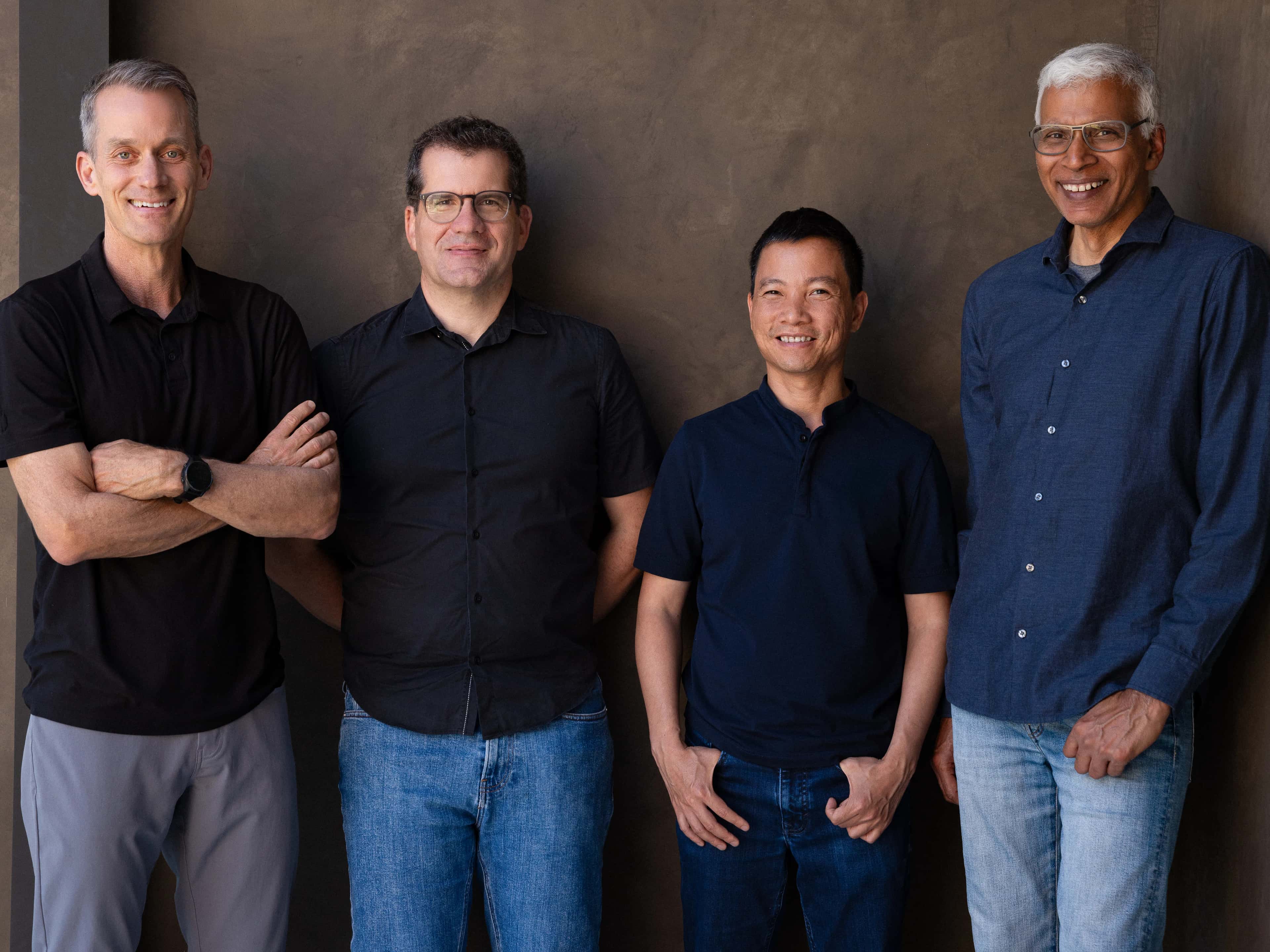
Google faces a significant brain drain as Jeff Dean and other leading AI minds depart to found new ventures, signaling a major shift in the global AI talent landscape.
Jeff Dean is departing Google to co-found a new AI startup. He is joined by other top AI researchers, marking a talent migration. Dean's move, alongside other top researchers, may reflect a trend where AI talent seeks entrepreneurial ventures outside established corporate research labs. This departure is not an isolated incident but rather a clear tremor in the ongoing global AI talent war. For years, Big Tech companies like Google have been formidable magnets, attracting and retaining the world's top AI minds with unparalleled resources and infrastructure, but now the allure of building from scratch, with direct equity, is proving a powerful counter-force.
The venture capital world, in turn, has developed an insatiable appetite for these high-stakes AI spin-outs. Investors are increasingly willing to fund audacious, science-forward initiatives, believing that the next wave of trillion-dollar companies will emerge from foundational AI breakthroughs, even if the timeline to tangible returns is significantly elongated compared to traditional software plays.
For Google, Dean’s exit, coupled with other senior researchers, represents a strategic blow to its competitive standing in the fiercely contested AI landscape. It inevitably raises questions about the efficacy of current retention strategies for its most valuable intellectual capital when the entrepreneurial path offers such compelling alternatives, potentially triggering further high-profile departures across the industry.
My read is that this isn't merely a talent transfer; it represents a power shift in the AI ecosystem. The locus of truly cutting-edge, paradigm-shifting research is diversifying beyond corporate behemoths, empowering smaller, agile startups to challenge established narratives and push boundaries faster. This reinforces the enduring appeal of founder-driven innovation, even for those who have reached professional pinnacles within the largest corporations.
The concept of AI-accelerated scientific discovery has gained traction, moving from experimental fields to areas with tangible commercial and societal applications. Projects like DeepMind's AlphaFold, which revolutionized protein structure prediction, served as a powerful precedent, demonstrating AI's ability to unlock previously intractable problems in biology and beyond.
When Jeff Dean walks out the door, the entire tech industry pays attention. Dean, who spent 27 years at Google building its core infrastructure, has officially departed to co-found a new startup named Discovery Loop. This is not your average executive transition. Dean is taking Google's most legendary computing minds with him, including Sanjay Ghemawat, Oriol Vinyals, and Quoc Le. Together, they aim to automate the scientific research process itself by deploying artificial intelligence to iterate thousands of experiments at scale. Structuring Discovery Loop as a Public Benefit Corporation underscores their mission-driven vision. For Google, losing the mastermind behind its foundational technology during a fierce AI arms race is an undeniable blow, sparking leadership shakeups within DeepMind. Yet, Google has astutely joined as a founding investor to retain exposure to their future breakthroughs. For the broader venture ecosystem, this exit validates a profound trend. The most compelling frontiers of artificial intelligence are no longer confined to the bureaucratic walls of established behemoths. The agility of the startup world is now successfully capturing the very architects of the modern internet.
The formation of a new startup, led by Google's former AI luminaries, isn't just a news story; it’s a bellwether for the entire tech ecosystem. It signals a new era where independent ventures are poised to redefine the intersection of AI and scientific progress, potentially unlocking breakthroughs that were previously unimaginable. The global innovation landscape watches closely to see what this powerhouse team will build next.
Frequently asked questions
Why is Jeff Dean leaving Google?
Jeff Dean is departing Google to co-found a new AI startup alongside other top AI researchers. This move reflects a broader trend of AI talent seeking entrepreneurial ventures outside established corporate research labs.
Who else is leaving Google with Jeff Dean?
Jeff Dean is joined by other top AI researchers, though specific names are not detailed in this preview. Their collective departure marks a significant talent migration within the AI industry.
What does this mean for Google's AI research?
The departure of Jeff Dean and other leading AI researchers represents a significant brain drain for Google, potentially impacting its future AI research and development efforts, especially in highly competitive areas.
Is this a new trend for AI talent?
Yes, this departure is part of an emerging trend where top AI talent increasingly seeks entrepreneurial opportunities and startup environments, rather than staying within large corporate research labs.
What is the global AI talent war?
The global AI talent war refers to the intense competition among companies, startups, and research institutions worldwide to recruit and retain the best artificial intelligence experts. High demand and limited supply drive this competition.
What kind of startup are they launching?
While the exact focus of their new startup isn't specified in the preview, it is an AI startup, indicating their continued commitment to advancing artificial intelligence technology in a new venture.