
Seoul launches 'Future Response Fund' to funnel semiconductor tax windfalls into AI, strategic tech, and addressing critical youth challenges like employment and housing.
South Korea is establishing a "Future Response Fund" to leverage tax windfalls from its booming semiconductor industry.
The fund aims to bolster national investments in artificial intelligence (AI) and other strategic technologies, reinforcing its global tech leadership.
A significant portion of the capital will address critical youth issues, including employment, housing, marriage, and childbirth, combating demographic challenges.
The fund will be financed by excess tax revenue from the chip sector.
This strategic government intervention signals a global trend where nations integrate economic strengths with social welfare to secure future prosperity and stability.
The South Korean government has unveiled plans to establish a "Future Response Fund," a groundbreaking strategic initiative designed to channel substantial tax windfalls from the nation's booming semiconductor industry into critical national priorities. This comprehensive fund aims to bolster investments in artificial intelligence (AI) and other strategic technologies, directly addressing the global technological arms race. Simultaneously, it will tackle pressing societal challenges faced by its younger generation, including employment, housing, and family formation, reflecting a holistic approach to national development.
The move underscores South Korea's proactive stance in leveraging its economic strengths to secure both future growth and social stability, particularly as global competition intensifies in advanced technological sectors. The proposed fund, a brainchild of the budget ministry, will finance a broad spectrum of programmes meticulously designed for dual impact. These initiatives are specifically crafted to aid young people in securing employment opportunities, achieving homeownership, and supporting marriage and childbirth, directly confronting the nation's critical demographic concerns.
Simultaneously, a significant portion of the fund will be dedicated to nurturing growth industries, with a primary focus on cutting-edge AI development, fostering regional innovation, and cultivating an advanced talent pool crucial for future economic leadership. Funding for this ambitious plan will primarily originate from tax windfalls, particularly those driven by the unparalleled semiconductor boom. This innovative mechanism is intended to accumulate surplus revenue during economically robust periods, providing a resilient financial cushion for future strategic investments and less prosperous economic cycles. Major South Korean chipmakers, including global giants Samsung Electronics and SK Hynix, have experienced soaring earnings due to the insatiable global demand for advanced memory and logic chips, largely propelled by the rapid expansion of AI technologies across industries.
South Korea's "Future Response Fund" represents a monumental strategic national investment into both technology and social welfare.
The government has acknowledged the country's severe struggles with historically low birth rates, escalating housing affordability issues, and persistent labour market challenges for young people, highlighting the urgency of this intervention. It is recognized that the increasing integration of AI into various industries could exacerbate some of these challenges.
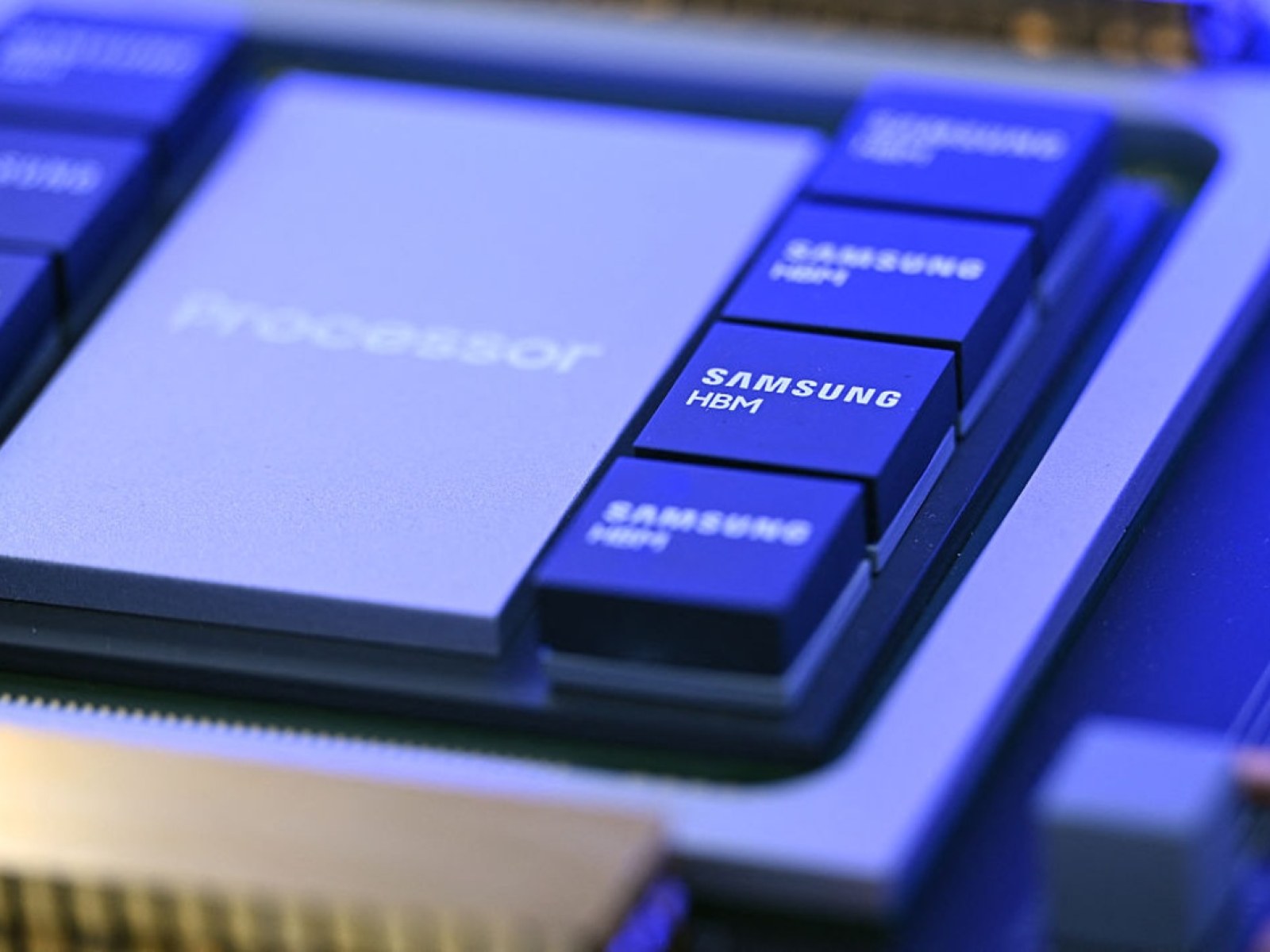
The Sovereign Reinvestment: South Korea’s "Future Response Fund"
South Korea’s decision to establish the "Future Response Fund" is a brilliant exercise in macroeconomic judo. By formally capturing the massive corporate tax windfalls generated by the current AI-driven semiconductor supercycle & led by domestic titans Samsung Electronics and SK Hynix, Seoul is attempting to convert a cyclical technology boom into structural, multi-decade economic policy.
This is a stark departure from how governments traditionally handle surplus tax revenues, which are typically used for short-term debt repayment or supplementary budgets. Instead, the Ministry of Planning and Budget has explicitly defined this as "windfall revenue" aimed at long-term demographic and technological survival.
The Dual-Mandate Strategy
The fund operates on the premise that South Korea's two greatest existential threats which are, a collapsing demographic pyramid and the relentless global technology arms race, intertwined and must be funded simultaneously.
The Growth Engine Account (Technology): South Korea recognizes that the AI boom is not just a software revolution; it requires massive physical infrastructure. By aggressively reinvesting the semiconductor windfall directly back into physical AI, small modular reactors (SMRs), data centers, and advanced bio-manufacturing, the state is effectively subsidizing the next generation of its own tech monopolies to ensure they remain globally indispensable.
The Youth Account (Demographics): South Korea has the lowest birth rate in the developed world, driven largely by hyper-competitive job markets, crushing education costs, and unattainable housing in the Seoul metropolitan area. By directing semiconductor profits into housing, startup grants, and family formation subsidies for those in their 20s and 30s, the government is attempting to relieve the severe economic anxiety that has paralyzed the younger generation.
A Blueprint for "K-Shaped" Polarization
The strategic subtext here is the mitigation of "K-shaped" economic polarization. The AI and semiconductor boom disproportionately enriches a small sliver of highly specialized corporations and engineers, while leaving the broader labor market behind.
If left unchecked, this polarization creates social instability. By forcibly redistributing the spoils of the AI hardware monopoly into regional development, rural infrastructure, and youth asset-building, the Lee Jae Myung administration is constructing a sovereign wealth mechanism designed specifically to socialize the benefits of the AI era while keeping the technological engine running at full speed.
Why is South Korea investing in a 'Future Response Fund' now?
South Korea's decision to establish the "Future Response Fund" is a pragmatic response to a confluence of deeply interconnected national imperatives: the urgent need to maintain its formidable leadership in critical technology sectors like semiconductors and AI, and the pressing challenge of mitigating profound demographic and social issues. On one hand, the global race for AI dominance has intensified dramatically, placing immense strategic and economic value on advanced chip manufacturing capabilities—a domain where South Korea
Frequently asked questions
What is the South Korean Future Response Fund?
The South Korean Future Response Fund is an initiative leveraging tax windfalls from the nation's booming semiconductor industry. Its primary goal is to strategically invest in artificial intelligence, other advanced technologies, and address critical societal issues, particularly those affecting the youth.
How will the fund support youth?
It will address critical youth issues including employment, housing, marriage, and childbirth.
What industries will the fund invest in?
The fund aims to bolster national investments in artificial intelligence (AI) and other strategic technologies.
Where does the fund's capital come from?
The capital for the Future Response Fund comes from tax windfalls generated by South Korea's booming semiconductor industry.
What is the main objective of the fund?
The fund's main objective is to reinforce South Korea's global tech leadership and prepare for future national challenges by investing in key sectors and its youth.
Who will benefit from this fund?
Korean youth will benefit from support for employment and housing, and the nation's AI and strategic technology sectors will receive significant investment.