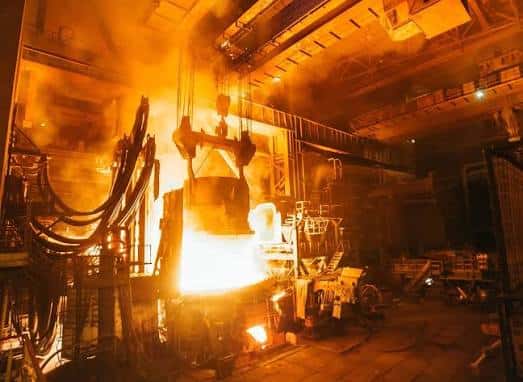
Saint-Gobain spearheads industrial decarbonization with an innovative hybrid electric furnace for flat glass, marking a pivotal shift in heavy industry emissions.
Saint-Gobain Bets on Hybrid Electric Furnace to Decarbonize Flat Glass Production
Saint-Gobain is constructing the world’s first large-scale hybrid electric furnace for flat glass production at its Avilés, Spain plant, representing an investment towards industrial decarbonization. This strategic investment signals a critical pivot in how heavy industries are addressing their emissions footprint, potentially reshaping energy demand profiles and incentivizing innovation across the clean energy technology sector. The project is poised to offer a tangible pathway for industrial players navigating increasingly stringent environmental regulations and investor demands for sustainable operations. The new facility will directly replace a conventional gas-fired unit, aiming for a reduction in greenhouse gas emissions inherent to the energy-intensive process of glass manufacturing. While specific financial terms for the Avilés furnace were not publicly disclosed, projects of this scale, involving bespoke industrial infrastructure and cutting-edge heating technology, typically demand significant financial commitments. This allocation underscores a strategic imperative for Saint-Gobain to align its operational capital expenditures with long-term sustainability goals and evolving market expectations. The shift from natural gas to a hybrid electric framework directly targets Scope 1 emissions, which are under intense scrutiny from regulators, financial institutions, and ESG-focused investment funds seeking to quantify and reduce corporate environmental impact. Flat glass production demands immense thermal energy to melt silica sand and other raw materials at temperatures often exceeding 1,500 degrees Celsius. Historically, this process has relied almost exclusively on fossil fuels, particularly natural gas, making it a challenging sector for decarbonization. The hybrid design of Saint-Gobain’s new furnace suggests a pragmatic approach, likely integrating grid electricity, potentially sourced from renewables, with a capacity to utilize gas as a backup or supplementary fuel. This flexibility is crucial for managing energy transition risks, including grid stability concerns and the volatility of renewable energy supply, while progressively reducing reliance on carbon-intensive energy sources. Such pioneering deployments demonstrate a tangible commitment to the environmental and social governance mandates that are increasingly influencing capital flows and corporate valuations across global markets.
Heavy industry has long been the hardest sector to decarbonize, with glass manufacturing notoriously relying on massive, gas-guzzling furnaces to hit extreme melting temperatures. That is exactly why Saint-Gobain’s new initiative in Avilés, Spain, is a massive signal for the deep tech and climate ecosystem. Partnering with AGC, the company is building the world’s first large-scale hybrid electric furnace for flat glass, electrifying 75% of the melting process. This isn’t just a small-scale pilot—it’s a full industrial deployment expected to cut plant direct emissions by half, avoiding 80,000 tonnes of CO2 equivalent annually. At StartupNews.fyi, we see this as a critical tipping point. The era of pure fossil-fuel reliance in high-heat manufacturing is officially ending. For startups and venture capitalists, this creates a massive, immediate market opportunity. We are about to see a surge in demand for advanced thermal management systems, high-power grid integration tech, and AI-driven energy optimization platforms. The green transition is no longer just about software and solar panels; it is about fundamentally rewiring the most energy-intensive hardware on the planet.
What It Means for Industrial Innovation
This initiative by Saint-Gobain represents more than a mere equipment upgrade; it signifies a profound shift in industrial process technology, particularly for sectors struggling with high-temperature thermal demands. For an industry like glass, where the energy intensity is immense, the hybrid electric furnace offers a viable, scaled pathway to emissions reductions that was previously difficult to achieve without compromising product quality or production efficiency. My read is that this development could catalyze broader adoption of similar hybrid or full-electric solutions across other heavy industries, including cement, ceramics, and even certain metallurgical processes, which face analogous challenges in decarbonizing their high-heat processes. The success of this project could establish new benchmarks for technological feasibility and economic viability in industrial electrification. The technological implications are substantial, extending beyond the furnace itself to adjacent systems. This project will likely drive innovation in areas such as advanced industrial heating elements capable of sustained operation at extreme temperatures, enhanced grid integration solutions for managing large, variable electricity loads, and sophisticated energy storage systems that can buffer intermittent renewable power. Companies that demonstrate leadership in developing and deploying these enabling technologies could secure a significant competitive advantage by aligning with the rapidly evolving landscape of environmental regulations and growing consumer demand for sustainably manufactured goods. What strikes me here is the potential for this kind of industrial transformation to fuel a new wave of demand for specialized materials, robust power electronics, and intelligent control systems optimized for these demanding, electrified industrial environments.
Replacing a conventional gas-fired unit with a large-scale hybrid electric furnace can reduce carbon emissions from flat glass production, depending on the grid's electricity source and the extent of fossil fuel backup, significantly improving a company's carbon intensity metrics.
The Broader Context of Industrial Decarbonization
The imperative for industrial decarbonization has intensified dramatically amidst global climate commitments, escalating carbon pricing mechanisms, and growing investor pressure. Heavy industries collectively account for a substantial portion of global greenhouse gas emissions, making their transition away from fossil fuels absolutely critical for achieving national and international net-zero targets. This specific project by Saint-Gobain fits within a wider, accelerating trend where industrial giants are actively exploring a diverse portfolio of solutions, including direct electrification, hydrogen-based processes, and advanced carbon capture, utilization, and storage (CCUS) technologies, to mitigate their environmental footprint. The European Union, home to the Avilés plant, has been at the forefront of this policy push, setting ambitious targets for emissions reductions through frameworks like the Emissions Trading System (ETS). The ETS provides a market-based incentive for cleaner production by putting a price on carbon, making investments in emissions-reducing technologies financially attractive. As carbon allowance prices continue to trend upward, the economic case for adopting innovations like the hybrid electric furnace strengthens, as it offers a tangible mechanism for companies to lower their ETS liabilities and enhance their long-term resilience against future carbon taxation and supply chain disruptions affecting fossil fuels. This confluence of macro-environmental policy and micro-economic incentives underscores the strategic urgency behind such significant industrial transformations. From my perspective, this move by Saint-Gobain is a clear signal of proactive adaptation to these market forces, positioning the company favorably in a future economy increasingly valuing sustainability.
What This Means for the Technology Market
From a technology and product development standpoint, the construction of this large-scale hybrid electric furnace provides critical validation for the engineering efforts underpinning industrial electrification. My opinion is that the operational success of this deployment at Avilés will serve as a powerful proof point, likely accelerating research, development, and commercialization efforts for similar high-temperature electric heating solutions across multiple industrial verticals. I anticipate a burgeoning market for highly specialized electrical components, robust power electronics such as high-power rectifiers and advanced inverters, and sophisticated thermal management systems specifically engineered to withstand the extreme conditions of industrial furnaces while operating with high electrical efficiency. This is a fertile ground for innovation and investment in industrial tech. Furthermore, the "hybrid" nature of the furnace implies a sophisticated approach to energy management, balancing cost, carbon intensity, and operational reliability. This creates a significant market opportunity for intelligent energy management systems that can dynamically optimize energy inputs from diverse sources—including grid electricity, dedicated renewable energy assets, and traditional fossil fuels—based on real-time pricing, availability, and emissions profiles. The iterative development and scaling of such AI-driven energy optimization platforms will be a fascinating area to watch in the coming years, particularly for cleantech startups and industrial IoT companies attracting venture capital. It represents a tangible step towards more resilient and sustainable manufacturing processes, effectively bridging existing infrastructure with future energy systems.
What to Watch Next
Investors and industry observers will be closely monitoring the operational efficiency, energy consumption, and emissions performance data from the Avilés plant once it commences operations, as these metrics could establish new benchmarks for sustainable flat glass production globally. Key triggers to watch include Saint-Gobain's future announcements on the project's performance metrics, any subsequent investment decisions to scale this technology to other facilities within its global network, and competitive responses from rival glass manufacturers who might feel pressure to accelerate their own decarbonization initiatives. The ongoing integration of renewable energy sources into the local Spanish grid will also be a critical factor in determining the ultimate decarbonization impact and long-term economic viability of this pioneering hybrid electric furnace.
Frequently asked questions
What is the world's first large-scale hybrid electric furnace being built for?
The world's first large-scale hybrid electric furnace is being constructed by Saint-Gobain for flat glass production. It aims to significantly decarbonize the glass manufacturing process, reducing industrial emissions at their Avilés, Spain plant.
Who is building the hybrid electric furnace?
Saint-Gobain, a global leader in materials, is investing in and building this innovative furnace.
Where will the first large-scale hybrid electric furnace be located?
It will be built at Saint-Gobain's manufacturing plant in Avilés, Spain.
What is the main purpose of the hybrid electric furnace?
Its primary purpose is to decarbonize flat glass production, drastically reducing the carbon footprint of heavy industry.
How does a hybrid electric furnace help with decarbonization?
By integrating electric heating with traditional methods, it can use more renewable energy sources, significantly lowering fossil fuel consumption and CO2 emissions.
What impact will this furnace have on the flat glass industry?
This furnace represents a critical pivot for the flat glass industry, setting a new standard for sustainable production and encouraging wider adoption of green technologies in heavy industry.