Ferrari's inaugural all-electric vehicle, the Luce, fetches an unprecedented $40 million at auction, setting a new benchmark for ultra-luxury EVs and redefining brand value.
Ferrari's First Electric Car Sells for a Staggering $40 Million at Auction
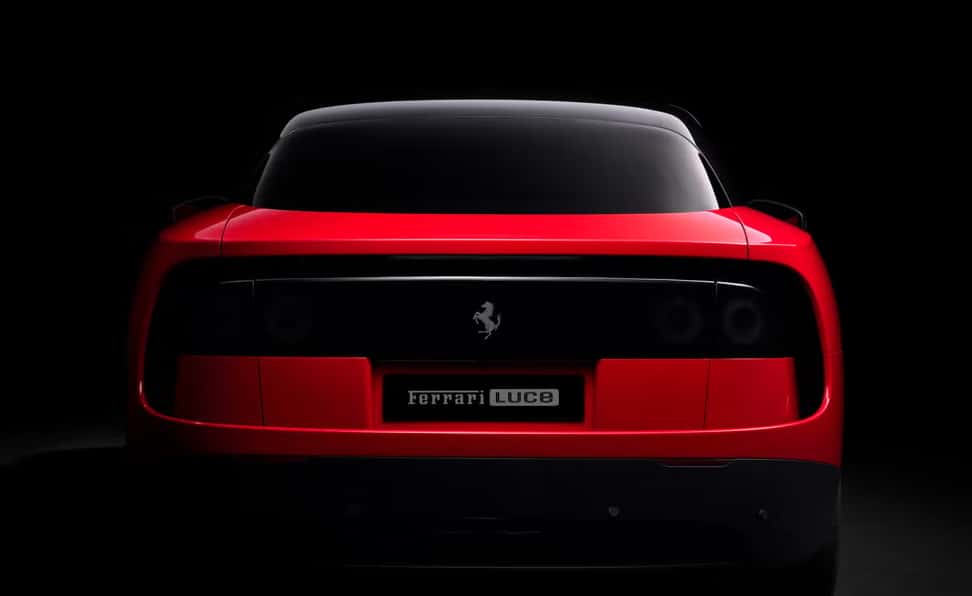
The rarefied world of ultra-luxury automobiles just witnessed a defining moment, as Ferrari's inaugural all-electric vehicle, the Luce, commanded an eye-watering $40 million at a recent auction. This isn't just about a record-breaking sale; it's a profound statement on the future direction of storied performance brands and a radical redefinition of what constitutes automotive value in the electric age. Here's what happened: Chassis ZFF21BUA8T0338000, known as "Chassis 0" and the very first production unit of the Luce program, was put up for sale without reserve at RM Sotheby's Monterey auction. The hammer price obliterated its pre-sale estimate of $1.1 million by more than 36 times, soaring to roughly 62 times the Luce's official listed price of approximately $640,000. Every dollar from this extraordinary transaction is directed to The Ferrari Foundation, a 501(c)(3) organization dedicated to funding educational initiatives. This particular Luce was a bespoke "Tailor Made" creation, exemplifying Ferrari's customization prowess. It featured a one-off "Madreperla Semi-Gloss" paint, a finish known to shift dramatically from green to violet depending on the light, alongside a unique cabin adorned with Le Mans metallic leather in Perla and Grigio Corvara accents, a first for a Luce interior. Dedicated wheels and custom calipers further cemented its singular status. The buyer won't take immediate possession of this automotive artifact; the car is scheduled to return to Maranello for its final assembly, with delivery anticipated in the first quarter of 2027. To truly grasp the magnitude of the $40 million figure, consider that a legendary 1962 250 GTO, one of the most historically significant and expensive cars ever sold publicly, fetched $48.4 million in 2018. A brand-new, yet-to-be-delivered electric vehicle from Ferrari just came within $8.4 million of that iconic benchmark.
The Shifting Sands of Automotive Collectibles
For decades, the prevailing wisdom among automotive purists and collectors held that the true zenith of automotive value resided in vehicles powered by internal combustion engines, especially those from revered marques like Ferrari. The visceral thrill of an engine's roar, the mechanical complexity, and the raw power were considered irreplaceable. The notion of an electric Ferrari reaching such stratospheric values seemed almost heretical to many, challenging the very essence of what made these machines collectible. Yet, this auction result directly dismantles that conventional view, emphatically arguing that "firsts" in a new technological era can be just as, if not more, historically significant and valuable. This isn't an isolated incident for Ferrari, which has strategically used high-profile charity auctions to reset market benchmarks. The consistent escalation in these prices, now culminating with an electric vehicle, signals a clear, undeniable trend: the collector market is increasingly recognizing historical significance and rarity within the context of pivotal technological transitions. While the "last ICE" vehicle will undoubtedly hold its own allure for collectors, the "first EV" is rapidly carving out an equally compelling and potentially more forward-looking narrative. This sale sets a powerful precedent, not just for Ferrari, but for other high-performance luxury brands like Porsche, Lamborghini, and even hypercar EV makers, by demonstrating that the digital transformation of cars can indeed create new forms of exclusivity and collector appeal. My read on this development is that it transcends mere philanthropic fundraising. This auction acts as a powerful, high-stakes validation of Ferrari's ambitious push into electrification. It serves as a strategic recalibration of the brand's narrative, asserting, in no uncertain terms, that even an electric Ferrari can embody the unparalleled exclusivity, desirability, and collector value that has always defined the iconic marque, albeit for a very specific, ultra-high-net-worth clientele. It's a masterclass in turning a perceived weakness into a resounding strength.
For decades, the thesis driving the high-end automotive collector market was simple: value requires a screaming V12 engine. The visceral roar of internal combustion was considered the irreplaceable soul of a blue-chip collectible. This weekend, Ferrari violently dismantled that thesis. At RM Sotheby’s Monterey auction, "Chassis 0", the very first production unit of Ferrari’s inaugural all-electric vehicle, the Luce, hammered for a jaw-dropping $40 million. To put that in perspective, it is nearly 62 times the car's $640,000 list price, and within striking distance of the $48.4 million record set by the legendary 1962 Ferrari 250 GTO. While the proceeds went to charity, the implications for the wider market are entirely commercial. This wasn't just philanthropy; it was a strategic validation. By allowing an EV to command one of the highest auction prices in history, Ferrari successfully proved that in a market obsessed with provenance, being "First" in a new era is just as valuable as being fast in the old one. For legacy brands terrified of losing their equity in the silent era of electrification, Maranello just provided the ultimate blueprint for the transition.
Frequently asked questions
How much did the first Ferrari EV sell for?
The first Ferrari Luce EV sold for an astounding $40 million at auction, significantly exceeding its initial estimates. This makes it one of the most expensive electric vehicles ever sold.
What is the name of Ferrari's first electric car?
Ferrari's inaugural all-electric vehicle is named the Luce.
Where was the Ferrari Luce EV sold?
The Ferrari Luce EV was sold at a recent high-profile auction.
Why did the Ferrari Luce EV sell for such a high price?
Its high price reflects its status as Ferrari's first EV, its rarity, and its potential as a historical collector's item, signaling a major shift in the luxury automotive market.
How much did the Ferrari Luce EV exceed its estimate by?
The Ferrari Luce EV sold for $40 million, which is 36 times its original estimate.
What does this sale mean for the future of luxury performance brands?
This sale indicates a profound shift, suggesting that even storied performance brands like Ferrari are successfully transitioning to electric vehicles, with significant market demand and value.