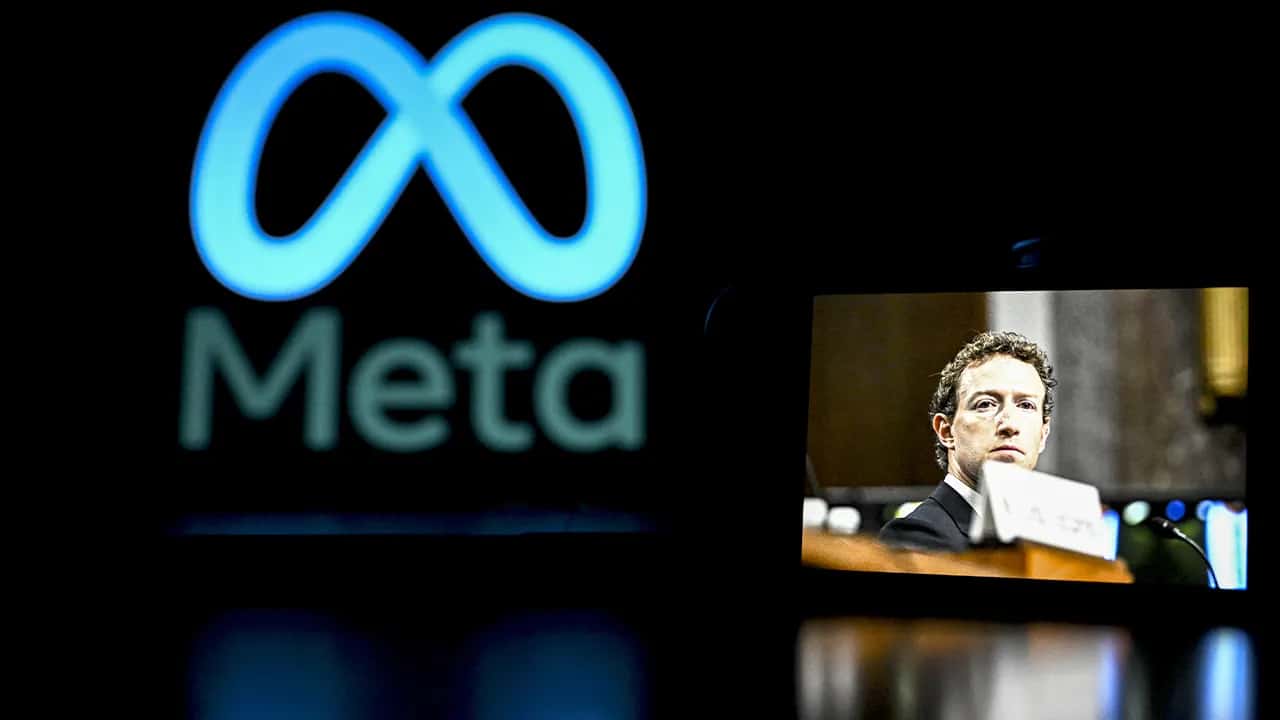
Meta's $17.1B settlement for addictive design shifts product focus, reshaping future development and responsibility.
Meta Platforms Inc. is facing a substantial $17.1 billion settlement in the United States, a development poised to reshape the company’s product development priorities and significantly influence market perceptions of platform responsibility. This financial toll, stemming from allegations of addictive design elements and their impact on the mental health of younger users, signals a broader industry shift toward stricter digital safeguarding regulations and enhanced scrutiny of user experience architects. The market implication for Meta and other social media giants is clear: the era of unchecked growth powered by engagement algorithms is yielding to an imperative for design ethics.
The proposed $17.1 billion settlement addresses claims that Meta’s Facebook and Instagram platforms knowingly utilized addictive design features, contributing to mental health issues among minors. This agreement, while specific to the US legal landscape, signals a growing global consensus among policymakers regarding social media's impact on youth. The financial outlay represents a significant, though manageable, expense for a company with Meta's revenue scale, yet the reputational and operational reverberations could prove more enduring. This move solidifies a regulatory trend forcing tech companies to prioritize user well-being over solely optimizing for interaction metrics, a pivot that will necessitate considerable internal resource allocation toward compliance and product redesign.
The $17.1 billion settlement marks the definitive end of the "engagement-at-all-costs" era for consumer social platforms. While the financial penalty is historic—equivalent to roughly 28% of Meta’s most recent quarterly revenue—your analysis correctly identifies that the true impact lies in the forced architectural reset of its core products.
The "Rival Contingency" Trap
Perhaps the most brilliant and ruthless aspect of this settlement is how Meta has effectively weaponized its own penalty to regulate its competitors. Nearly 30% of the total payout (over $5 billion) is strictly contingent upon rivals like TikTok and YouTube adopting the exact same teen-safety measures. If they refuse, Meta doesn't have to pay that portion. This mechanism turns state attorneys general into de facto lobbyists for Meta's competitive parity, ensuring that Meta doesn't unilaterally sacrifice youth engagement metrics while TikTok continues operating without constraints.
Dismantling the Engagement Loop
As you noted, this forces a shift from content moderation to product design. The settlement mandates structural UX changes that directly attack the mechanics of digital addiction:
Time & Attention Caps: A default two-hour daily limit for users under 18, alongside a complete block on push notifications during overnight hours and school days.
Algorithmic Opt-Outs: Teens must be given the option to switch to a non-personalized feed, neutralizing the hyper-targeted recommendation engines that drive endless scrolling.
Social Friction: Hiding "like" and reaction counts by default for minors, and restricting cosmetic-surgery filters, actively reduces the psychological feedback loops that keep young users refreshing the app.
The Global "Safety by Design" Standard
This aligns perfectly with your read on the global regulatory horizon. Because maintaining bifurcated codebases (one for US teens, one for the rest of the world) is operationally complex and a public relations nightmare, these US-mandated guardrails will likely become the global baseline. This harmonizes with the EU’s Digital Services Act (DSA) and preempts emerging legislation in markets like India, forcing platforms to build "safety by design" into their onboarding and UX frameworks from day one.For startups and enterprise platforms, the message is clear: exploiting psychological vulnerabilities to maximize user retention is now a massive legal liability.
The settlement terms dictate not only financial restitution but also a potential shift in how Meta designs its user interfaces and engagement mechanics for younger demographics. Specific numbers related to the plaintiff class or internal company analyses that informed the settlement figures were not detailed in the available information, but the sheer scale of the amount suggests widespread impact. This financial context places pressure on Meta's profitability outlook, potentially impacting investor sentiment, although analysts will likely evaluate the long-term benefit of resolving these liabilities against the immediate cost.
What It Means
This settlement represents a critical juncture for Meta, compelling a strategic re-evaluation of its core product philosophy and brand messaging, particularly within consumer tech. For a platform company built on audience engagement and growth, navigating this regulatory shift through the lens of child safety becomes paramount for maintaining market trust and sustained user acquisition. My read is that this isn't merely a compliance exercise, but an opportunity for Meta to redefine its brand narrative around responsible innovation, potentially differentiating itself in a crowded social media environment increasingly scrutinized by parents and advocacy groups.
The move could trigger a cascade of internal product revisions across its entire portfolio, extending beyond just minors. The implications for Meta’s advertising revenue streams are also noteworthy. While not directly targeted, a fundamental redesign of engagement loops for younger users could indirectly affect overall time spent on platforms, thereby influencing ad inventory and targeting precision. Furthermore, the settlement's high-profile nature could encourage other countries and state attorneys general to pursue similar actions, escalating Meta’s global legal and compliance expenditures. This environment demands that Meta strategically frame its response, not just as a legal obligation but as a genuine commitment to user welfare, crucial for retaining its vast user base and attracting new generations of digital natives.
Meta’s $17.1 Billion US settlement marks a substantial financial commitment, signaling increased regulatory costs for platform operations.
The Regulatory Horizon
The US settlement is not an isolated incident but a clear indicator of a global regulatory tightening around social media platforms, particularly concerning child safety and digital addiction. In Europe, the Digital Services Act (DSA) has already imposed stringent requirements on large online platforms to mitigate systemic risks, including those related to the physical and mental well-being of minors. The UK's Online Safety Bill similarly aims to hold platforms accountable for harmful content and age-appropriate design.
These legislative frameworks, alongside India’s contemplation of age restrictions and platform design scrutiny, create a complex, multi-jurisdictional compliance challenge for global tech entities. This evolving regulatory environment establishes a clear trend line: governments are moving from reactive content moderation policies to proactive mandates on product design and algorithmic transparency. For Meta and other social media platforms, this means investing heavily in engineering ethical design principles, robust age verification systems, and parental control features. The fragmented global regulatory environment could also lead to geographically tailored product versions, increasing operational complexity and development costs.
What Analysts Say
Industry analysts view this as a pivotal moment for social media companies, shifting focus from content moderation to fundamental product design. The narrative around platform responsibility will increasingly revolve around how companies architect user experiences, rather than solely policing user-generated content. For Meta, this could mean a strategic re-prioritization of its product roadmap, potentially delaying certain experimental features in favor of enhancing safety and ethical design. The bear case often highlights the potential for reduced engagement metrics if features perceived as "addictive" are curbed, which could impact advertising revenue growth. Conversely, a strong stance on safety could attract users and advertisers seeking more responsible platforms.
The long-term success of Meta, and indeed the entire social media sector, will hinge on its ability to innovate within these new ethical and regulatory guardrails. Investors will be keenly watching for Meta's forthcoming product announcements and its transparency around new safety features, particularly those aimed at younger audiences. Key dates to monitor include further regulatory pronouncements from India and other major markets, and Meta’s quarterly earnings calls, where executives will likely detail their strategic response to these mounting pressures. The market impact of this settlement extends beyond the immediate financial hit, signaling a fundamental recalibration of growth strategies against a backdrop of increasing public and governmental demands for digital accountability.
Frequently asked questions
What is Meta's $17.1 billion settlement about?
Meta Platforms Inc. is facing a substantial $17.1 billion settlement in the United States. This financial toll stems from allegations concerning addictive design elements within its platforms and their detrimental impact on the mental health of younger users.
Why did Meta agree to a $17.1 billion settlement?
Meta agreed to the settlement due to widespread allegations and legal pressures regarding its platforms' addictive design elements. These claims highlighted the negative effects on young users' mental health, leading to a significant legal resolution to address these concerns.
How will Meta's $17.1 billion settlement impact its product design?
The $17.1 billion settlement is poised to fundamentally reshape Meta’s product development priorities. The company is expected to shift its focus from purely content-driven strategies to prioritizing responsible product design that mitigates potential harm to users.
What does this settlement mean for platform responsibility in the tech industry?
This settlement signals a broader industry shift towards increased platform responsibility. It sets a precedent that tech companies may be held accountable for the societal impacts of their product design choices, especially concerning user well-being and mental health.
Will Meta's shift in focus affect the user experience on its platforms?
Yes, Meta's shift in focus is likely to influence the user experience as product design prioritizes user well-being. This could lead to changes in algorithms, features, and overall platform architecture aimed at creating less addictive and more positive digital environments.
What are the broader implications of Meta's settlement for the tech industry?
The settlement has significant implications for the entire tech industry, potentially prompting other platforms to re-evaluate their design practices. It underscores a growing regulatory and public demand for greater accountability from tech giants regarding the ethical considerations of their products.