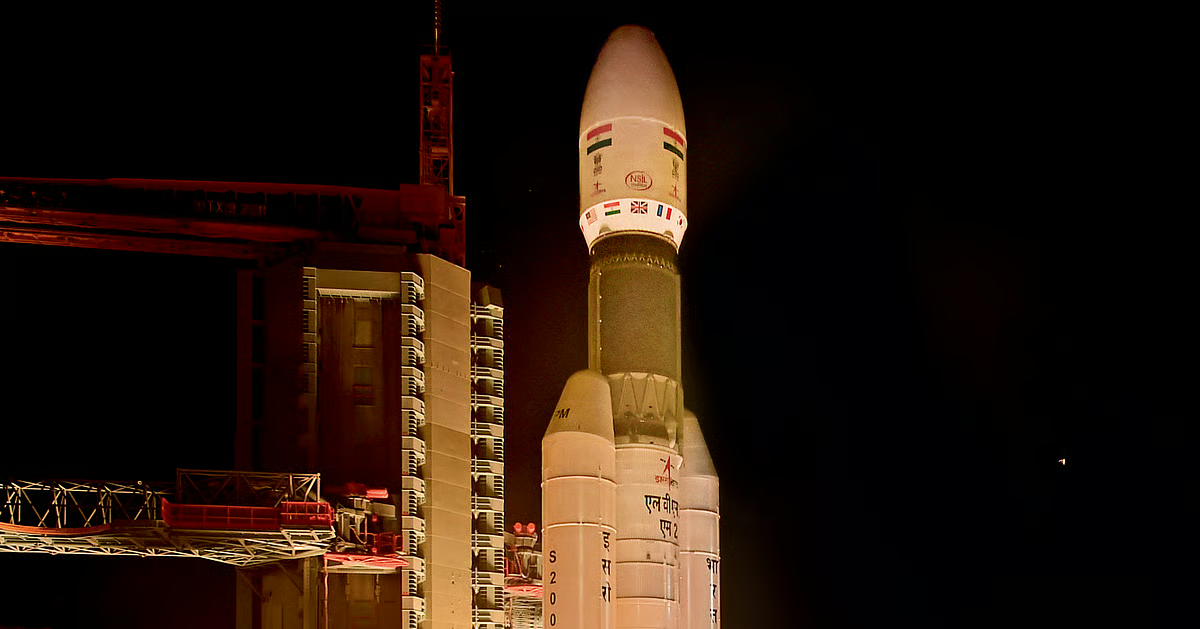
India's space agency ISRO is privatizing its heavy-lift LVM3 'Bahubali' rocket, drawing bids from giants like L&T and Adani, signaling a new era for commercial space in India.
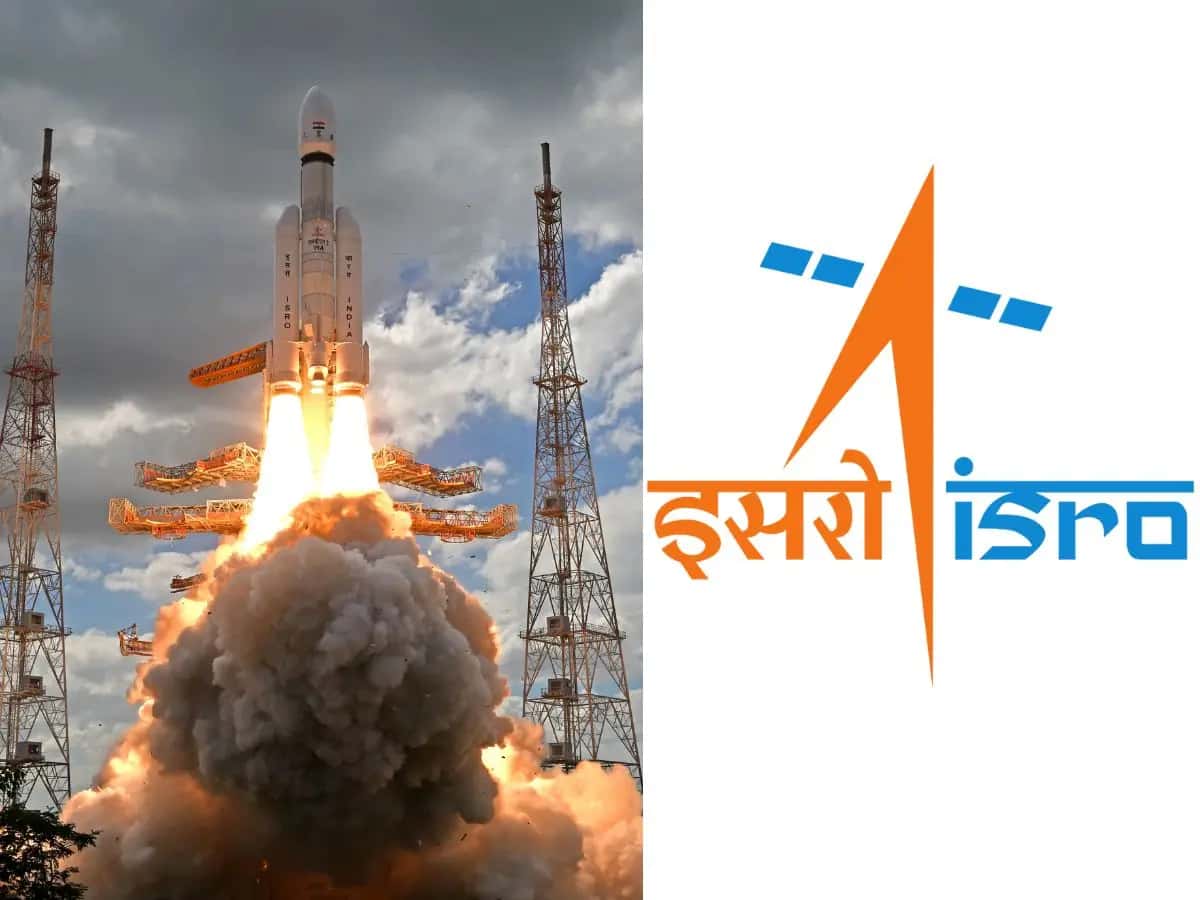
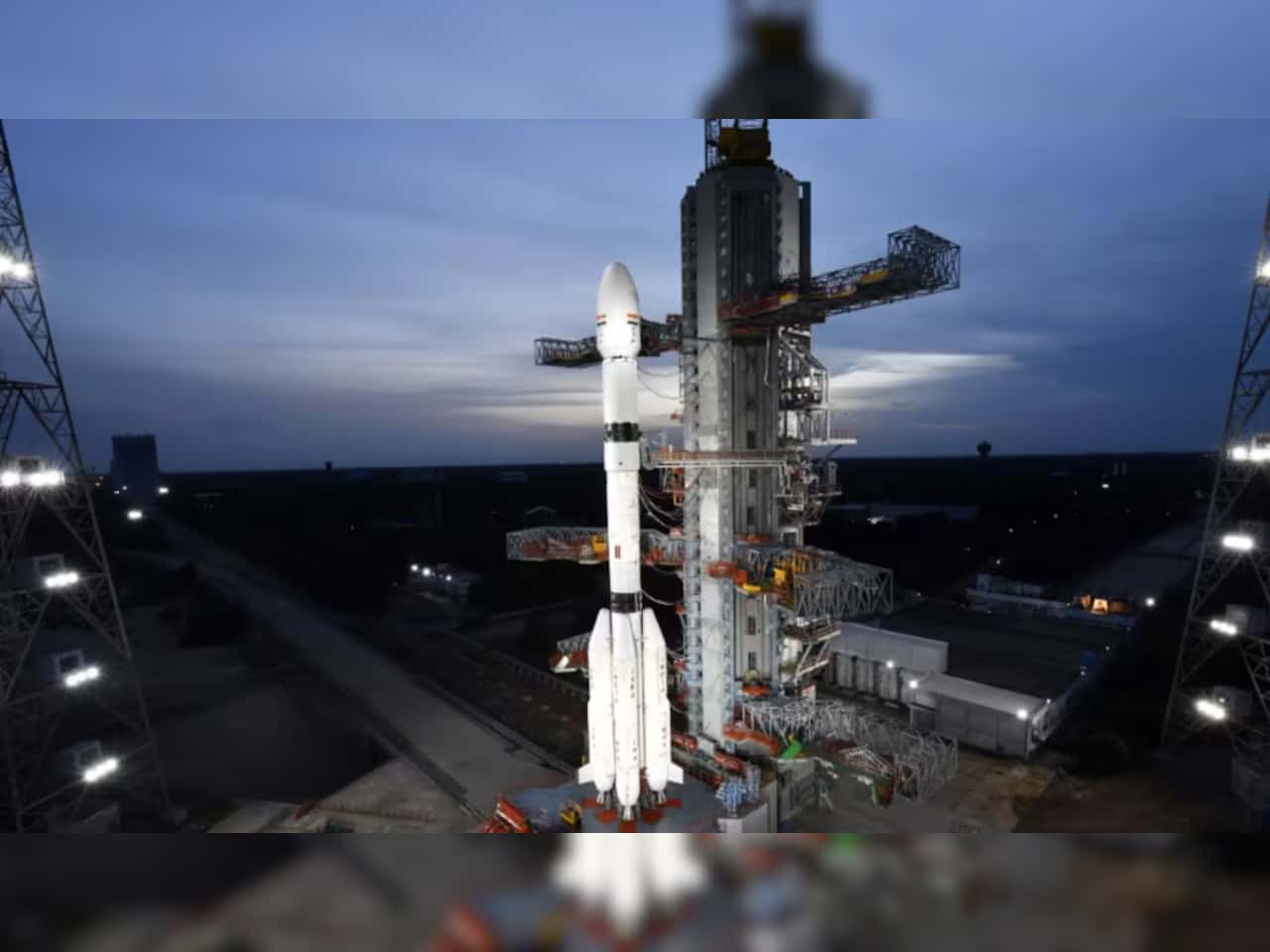
India’s premier space agency, ISRO, is moving to privatize its heavy-lift launch vehicle, the LVM3, drawing significant interest from major industrial players. Conglomerates like Larsen & Toubro, Adani Group, JSW, and Mahindra are among those considering bids to take over the manufacturing and operational responsibilities of the ‘Bahubali’ rocket. For decades, ISRO has been the state-owned behemoth controlling India’s ambitious space endeavors, from rocket development to satellite launches. This strategic divestment marks a profound shift, signaling a new era where routine space operations are increasingly offloaded to the private sector, much like the trajectory seen in other leading spacefaring nations. The core of this initiative involves transferring the complete technical know-how for the LVM3, a vehicle engineered to deploy satellites weighing up to four tonnes. Prospective bidders are expected to demonstrate an end-to-end capability in design, propulsion, avionics, navigation, manufacturing, testing, vehicle integration, and launch operations.
However, replicating ISRO's deep institutional knowledge and establishing the necessary infrastructure for a heavy-lift launch vehicle is a monumental undertaking. This is not simply a factory handover, but a mandate to absorb and commercialize highly complex, flight-proven technology, a challenge that will demand substantial investment and technical prowess from any selected consortium. This move is well-timed within a burgeoning global space economy.
The Space Launch Services Market
The worldwide space launch services market is projected by Grand View Research to grow from $25.3 billion to $41.3 billion over the next decade. India itself anticipates its space economy expanding from $8.4 billion in 2022 to an ambitious $44 billion by 2033, with upstream activities, including launch vehicles and satellite manufacturing, expected to grow at approximately 20% annually to $9.4 billion. Pawan Goenka, chairman of the Indian National Space Promotion and Authorisation Centre (IN-SPACe), has articulated ISRO’s evolving role: a transition towards a more NASA-like model. This allows the agency to increasingly concentrate on advanced research and deep-space missions, delegating commercial launch cadence to private industry while focusing on pioneering endeavors like the Gaganyaan human spaceflight program, which will utilize a human-rated version of the LVM3.
This LVM3 technology transfer is not an isolated event but a clear continuation of a policy trend. ISRO previously facilitated the transfer of Small Satellite Launch Vehicle (SSLV) technology to Hindustan Aeronautics Limited (HAL). Additionally, the manufacturing of the Polar Satellite Launch Vehicle (PSLV) is already handled by an L&T-HAL consortium, illustrating a phased approach to private sector engagement in India's space program. The bidding process, initiated with Expressions of Interest (EoIs) due soon and formal bids expected in October, mandates that the chosen company or consortium complete the technology absorption within 42 months, or two realized launch vehicles. This timeline suggests a pragmatic urgency to scale private capabilities.
The companies expressing interest bring distinct strengths to the table. Adani Defence & Aerospace, for example, possesses extensive experience in defense manufacturing, encompassing UAVs and avionics, but lacks a direct space manufacturing portfolio. Inox India, a specialist in cryogenic and propellant-handling equipment, views this as an opportunity to expand into in-flight components like propellant tanks. Similarly, Solar Industries, with capabilities in solid rocket motors and propellants, already supplies India’s space programs, while Bharat Forge is a known entity in precision engineering and defense systems. Mahindra’s aerospace division is active in manufacturing aerostructures and precision components for international aerospace clients. I see this as a critical strategic pivot. By offloading routine launch operations, India is not just fostering private enterprise. It is de-risking ISRO and ensuring national space capabilities can scale rapidly to meet escalating domestic and international demand. It is a pragmatic step towards a more resilient and competitive space sector.
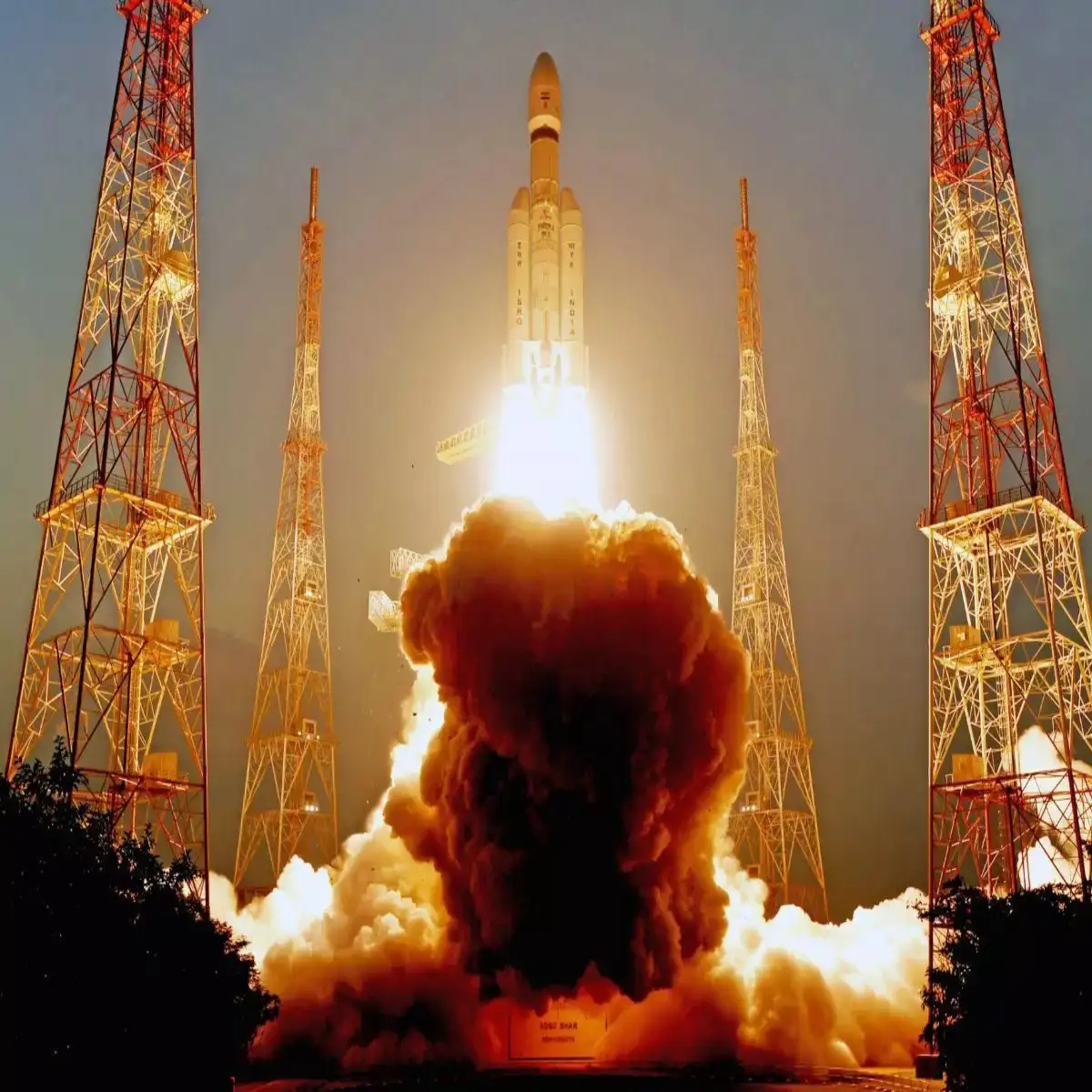
The privatization of the LVM3 represents the most aggressive commercial pivot in the history of India's space program. By initiating the handover of its most powerful operational rocket to private industry, ISRO is definitively shifting its identity from a commercial freight operator to an advanced research and deep-space exploration agency. Your analysis accurately captures the macroeconomic drivers, but examining the mechanics of this transfer reveals why it is such a formidable challenge for the Indian private sector.
The Consortium Imperative
Building and operating a heavy-lift launch vehicle is too complex and capital-intensive for almost any single Indian conglomerate to tackle entirely in-house. The LVM3 requires mastery over handling volatile cryogenic fuels, casting massive solid rocket boosters, integrating high-precision avionics, and managing launch pad logistics.Consequently, we are seeing the immediate formation of strategic alliances to bridge these capability gaps. For instance, reports indicate that Solar Industries (which specializes in solid propellants) is forming a consortium with Bharat Forge (precision metallurgy) and Inox India (cryogenic systems). Similarly, traditional heavy-industry players like JSW are reportedly partnering with agile space startups like EtherealX. This forced collaboration is arguably the unstated goal of IN-SPACe: cross-pollinating legacy manufacturing capital with deep-tech agility to create a robust, self-sustaining aerospace ecosystem.
The Margin Challenge in Heavy-Lift
While taking over a flight-proven rocket eliminates the massive upfront R&D risk, the selected consortium will inherit a severe operational challenge. To survive without continuous government subsidies, the private operator must commercialize the LVM3 against established global titans like SpaceX’s Falcon 9 and Europe's Ariane 6.
Cost Optimization: The LVM3 is a highly reliable vehicle, but it was designed primarily as a strategic national asset, not a hyper-optimized commercial freighter. The private operator will need to ruthlessly optimize the supply chain, digitize manufacturing processes, and reduce integration times to bring down the cost per kilogram to orbit.
Launch Cadence: Profitability in the space launch sector dictates a high flight cadence. The consortium has a strict 42-month "handholding" period from ISRO to absorb the technology and independently achieve two successful launches. After that, they must demonstrate the ability to manufacture and launch these vehicles rapidly enough to satisfy domestic demand while attracting lucrative international commercial payloads.
The "NASA" Blueprint
By transferring the PSLV (to the L&T-HAL consortium), the SSLV, and now the LVM3, ISRO is meticulously executing the commercialization playbook that NASA used over the last decade. This strategic divestment frees ISRO's budget and human capital to focus on next-generation architectures: the Gaganyaan human spaceflight program, sustained lunar exploration, and the development of fully Reusable Launch Vehicles (RLVs). Ultimately, this bidding war is less about who gets to build a rocket today, and more about crowning the prime contractor that will anchor India's commercial space economy for the next two decades.
The requirement for bidders to submit comprehensive business plans, detailing investment, development, and revenue generation, demonstrates the commercial seriousness of this transfer. This is about building sustainable, independently profitable space ventures, not just manufacturing contractors. It is a signal to the venture ecosystem that large-scale, deep-tech opportunities are opening up in India's space sector. The coming months will be important as these industrial titans and their potential startup partners finalize their strategies. How they tackle the twin challenges of technical mastery and commercial viability will not only shape India's private space sector but could also significantly influence the global launch market dynamics, making India a stronger contender in the commercial space race.
Frequently asked questions
What is ISRO's 'Bahubali' rocket?
ISRO's 'Bahubali' is the colloquial name for its Geosynchronous Satellite Launch Vehicle Mark III (GSLV Mk III), now officially known as LVM3. It is India's heaviest operational launch vehicle, capable of launching large communication satellites into geostationary transfer orbit and carrying payloads to low Earth orbit.
Why is ISRO privatizing the LVM3 'Bahubali' rocket?
ISRO is moving to privatize the LVM3 to enhance efficiency, scale up production, and allow its resources to focus on research and development for future space missions. This strategic shift aims to foster a more robust private sector in India's burgeoning space economy.
Which companies are interested in ISRO's LVM3 privatization?
Prominent Indian industrial groups like Larsen & Toubro (L&T), Adani Group, JSW, and Mahindra are reportedly showing significant interest in taking over the manufacturing and operational responsibilities of the LVM3 rocket. Their involvement signifies a major entry of private capital into India's space sector.
What does ISRO's LVM3 privatization mean for India's space industry?
The privatization of the LVM3 marks a pivotal moment for India's space industry, transforming it from a predominantly state-run enterprise to one with significant private sector participation. This move is expected to boost innovation, create new jobs, and position India as a more competitive player in the global commercial space market.
How will private companies be involved in the 'Bahubali' rocket program?
Private companies are expected to take over the end-to-end manufacturing, assembly, and potentially even the operational launch services of the LVM3 'Bahubali' rocket. This would involve significant investment in infrastructure and technology transfer from ISRO, making them key players in future Indian space missions.
Is this privatization unique for a national space agency?
While not entirely unique globally, as agencies like NASA increasingly rely on private contractors, ISRO's move represents a substantial shift for India's historically state-dominated space program. It aligns with a global trend of commercializing space activities to drive innovation and reduce government expenditure.