India's Digantara, backed by Reliance, launches AI-powered MOSAIC network to combat space debris with 1,000 global sensor nodes.
India's Digantara, Backed by Reliance, Unveils AI-Powered MOSAIC Network to Tackle Global Space Debris
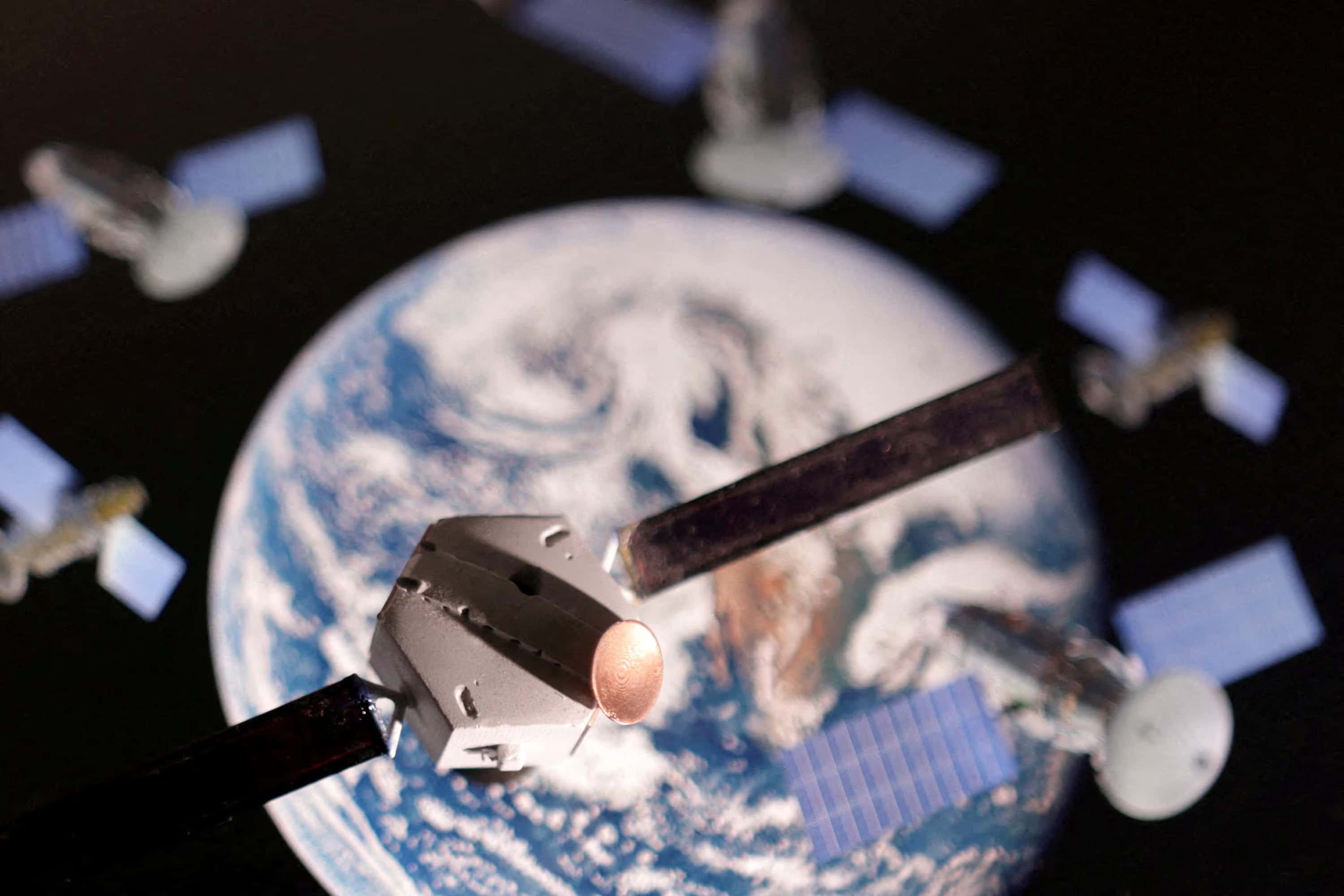
Spacetech startup Digantara launched MOSAIC, an AI-powered sensor system for autonomous space object tracking.
MOSAIC is designed for a wider sky view and continuous scanning, moving beyond conventional telescope limitations.
Digantara plans to deploy over 1,000 MOSAIC sensor nodes globally within the next two years to build a comprehensive space situational awareness network.
The system also introduces celestial navigation capabilities, potentially offering an alternative to traditional GPS systems.
Backed by Reliance Industries, Digantara operates in India's rapidly growing private space sector, focusing on critical infrastructure for space sustainability.
Spacetech startup Digantara, notably backed by Reliance Industries, has unveiled MOSAIC, an AI-powered autonomous sensor system engineered to track satellites and other objects in Earth's orbit. This strategic launch aims to address the critical challenge of space situational awareness (SSA) and enhance the safety of orbital operations amidst increasing space traffic. The new system represents a significant step for the Indian private space sector in providing globally relevant infrastructure.
MOSAIC distinguishes itself from traditional ground-based telescopes by offering a significantly wider field of view and the ability to continuously scan designated portions of the sky without requiring direct human operation. This AI-driven autonomy allows for persistent monitoring, an essential capability as the number of active satellites and untracked debris continues to proliferate. Digantara’s ambitious plan involves establishing a formidable global network of over 1,000 MOSAIC sensor nodes within the next 24 months.
The proliferation of satellite mega-constellations and the increasing risk of orbital collisions have underscored the urgent need for precise and real-time space object tracking. Digantara's MOSAIC system is positioned to provide the granular data necessary for effective space traffic management, offering vital insights into the trajectories and potential conjunctions of space assets. Beyond tracking, the system's innovative design also incorporates celestial navigation, presenting a potential robust alternative or supplement to GPS for precise positioning in space.
Why This Matters for India's Space Ambitions
India's private space sector is experiencing an unprecedented surge, driven by liberalized policies and a vibrant startup ecosystem. Companies like Digantara are at the forefront, developing critical technologies that are not only globally relevant but also align with India's long-term strategic interests in space. The deployment of MOSAIC positions an Indian startup as a key player in global space traffic management, a domain increasingly vital for the sustainability of space activities for all nations.
The ability to accurately track objects and offer celestial navigation capabilities is strategically profound. It reduces reliance on external systems for orbital precision and offers an indigenous solution to a global problem. This move signals a maturing Indian spacetech landscape, capable of developing foundational infrastructure that can serve both commercial and strategic needs, enhancing the safety and security of valuable orbital assets.
Sovereign Eyes in Orbit
Digantara’s launch of the MOSAIC sensor network is a declaration of orbital independence. With Low Earth Orbit rapidly becoming a contested strategic domain, relying on foreign commercial data or foreign military surveillance for Space Situational Awareness (SSA) is a massive national security vulnerability. By deploying an indigenous, AI-powered autonomous network, this Reliance-backed startup is giving India its own sovereign eyes in the sky.
The sheer scale of a planned 1,000-node global network marks a fundamental shift from traditional, human-operated ground telescopes. AI-driven systems capable of continuously cataloging and predicting the trajectories of space debris, adversarial satellites, and mega-constellations offer a level of persistent surveillance that legacy infrastructure simply cannot match.
But the most critical strategic detail in this launch is MOSAIC’s celestial navigation capability. Modern military and commercial infrastructures are terrifyingly dependent on GPS. If a geopolitical conflict extends into space and satellite navigation constellations are jammed or destroyed, a system that uses advanced "Lost-in-Space" star-tracking to navigate, operating entirely independently of external signals, is an invaluable failsafe. Digantara isn't just managing space traffic; it is building the backup navigation architecture for the next era of orbital warfare.

The Future of Space Traffic Management
The sheer volume of new satellite launches, particularly those forming large constellations for global internet services, presents an existential challenge to the long-term viability of space. Each launch adds to the orbital density, increasing the probability of collisions that generate even more debris. MOSAIC's planned 1,000-node global network offers a scalable and distributed solution to this problem, providing continuous, high-fidelity data that is crucial for collision avoidance maneuvers. This is a clear trend line in spacetech, where distributed sensing and AI-driven analysis are becoming indispensable.
My read is that the integration of celestial navigation within MOSAIC is particularly astute. While GPS is ubiquitous on Earth, its reliance on specific satellite constellations makes it vulnerable in certain space environments. An autonomous celestial navigation system provides a resilient and independent means of determining position and orientation, which is not only valuable for deep-space missions but also offers a critical backup for Earth-orbiting assets. It's a testament to Digantara's foresight in not just solving today's problems but anticipating tomorrow's needs, positioning India at the vanguard of next-generation space infrastructure. The implications for space sustainability and strategic autonomy are significant, and I expect to see more innovation in this critical area.
Frequently asked questions
What is Digantara's MOSAIC network designed to do?
Digantara's MOSAIC network is an AI-powered sensor system designed for autonomous space object tracking. It aims to provide a wider sky view and continuous scanning to combat global space debris, surpassing traditional telescope limitations.
Who is backing Digantara?
Digantara is backed by Reliance, a major Indian conglomerate.
How many sensor nodes will the MOSAIC network have?
Digantara plans to deploy over 1,000 MOSAIC sensor nodes globally.
What technology powers MOSAIC?
MOSAIC is powered by an AI-driven sensor system.
What problem does MOSAIC aim to solve?
MOSAIC aims to tackle the growing problem of global space debris by providing enhanced tracking capabilities.
Where is Digantara based?
Digantara is an Indian spacetech startup.