Apple denies 'messy iCloud setup' caused alleged trade secret theft by ex-employee at OpenAI, citing third-party storage. Highlights growing IP challenges in AI.
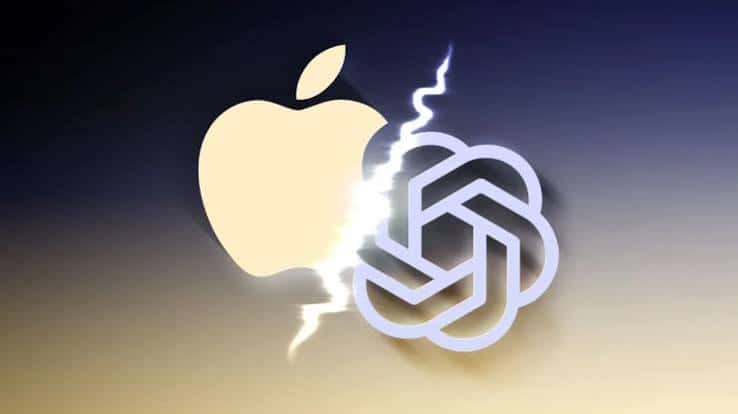
Apple refutes claims that a "messy iCloud setup" was responsible for alleged trade secret theft by a former employee who moved to OpenAI, asserting the disputed documents were held on third-party cloud storage.
The ongoing legal battle underscores the escalating global challenge of intellectual property protection in the high-stakes AI sector amidst rapid talent mobility and reliance on complex cloud infrastructures.
Apple's high-profile lawsuit against OpenAI, alleging the theft of trade secrets related to hardware projects, has taken a new turn as Apple directly countered a theory implicating its internal iCloud system. The tech giant clarified in a recent court filing that the specific unauthorized downloads central to its complaint were not linked to iCloud activity, but rather to a third-party cloud storage solution. This development reframes the narrative around corporate IP security, shifting focus from internal cloud practices to broader enterprise data management. The initial defense from OpenAI suggested that Apple's own lax system access management, particularly concerning former employees retaining "unwanted" access to confidential documents, was at fault. This argument gained traction with reports detailing how Apple encouraged employees to link personal Apple IDs to company-paid iCloud accounts, creating a potential backdoor for continued access to shared internal files post-departure. However, Apple's latest filing points to a more complex security landscape, indicating the contested data originated from an external enterprise cloud service, widely believed to be Box.
The Broader Implications for Innovation and Talent
This legal skirmish between two of the tech world's most influential players is more than just a dispute over specific documents; it's a microcosm of the larger challenges facing the global startup ecosystem. As I see it, this case fundamentally forces founders and investors alike to re-evaluate their approaches to intellectual property, talent mobility, and enterprise-level data security in an era defined by rapid technological shifts and intense competition, especially in the artificial intelligence domain.
The High Stakes of AI IP The race for AI dominance has led to valuations soaring into the billions for companies at the forefront of foundational models and hardware. For startups and incumbents, securing proprietary algorithms, training data, and hardware designs is paramount. A single leaked trade secret can significantly erode competitive advantage and investor confidence, making IP protection a core pillar of strategic growth and valuation.
Talent Mobility vs. IP Protection Dilemma The movement of top-tier talent between competing firms is a natural, often beneficial, aspect of a dynamic tech ecosystem, yet it creates a perpetual tension with intellectual property safeguarding. While the ability for founders to attract talent from established players is crucial for innovation, this case highlights the delicate balance. Companies must foster environments that enable talent growth while implementing stringent, clear policies that prevent the inadvertent or intentional transfer of proprietary knowledge, particularly when employees transition to direct competitors. This challenge is acutely felt by high-growth startups in various markets, which aggressively recruit from global tech giants.
Evolving Cloud Security Postures Apple's clarification that the contested data resided on a third-party cloud service rather than iCloud shifts the spotlight to the broader enterprise cloud security paradigm. Many organizations, from nascent startups raising their seed rounds to multinational corporations, rely heavily on various cloud platforms for collaboration. This incident serves as a stark reminder that robust security isn't just about internal systems, but extends to every vendor and platform holding sensitive company data. Founders must adopt comprehensive data governance strategies that span their entire digital footprint, including all third-party integrations, to mitigate risks.
Apple–OpenAI Dispute Exposes the New Battle Over AI Talent and Trade Secrets Apple’s reported clarification that the disputed files were stored on a third-party cloud service—not iCloud—shows why this case cannot be reduced to a simple offboarding failure. The dispute centres on Apple’s allegations that former employees took confidential hardware information to OpenAI, claims that OpenAI firmly denies. Apple is seeking a preliminary injunction, while OpenAI says it neither possesses nor wants Apple’s trade secrets. In our view, the case exposes a wider weakness in enterprise security: sensitive intellectual property is often spread across personal accounts, collaboration tools and external cloud platforms. Companies recruiting aggressively from competitors must strengthen data governance without unfairly restricting employee mobility. In the AI race, innovation depends on talent—but sustainable innovation also requires clear ownership, disciplined access controls and auditable offboarding systems.
Frequently asked questions
What is Apple's main claim regarding iCloud in the OpenAI lawsuit?
Apple asserts that a 'messy iCloud setup' was not responsible for the alleged trade secret theft by a former employee who moved to OpenAI. Instead, Apple claims the disputed documents were stored on third-party cloud services.
Which company is Apple suing in this case?
Apple is in an ongoing legal battle related to alleged trade secret theft by a former employee who subsequently joined OpenAI.
What did Apple state was the actual location of the disputed documents?
Apple stated that the disputed documents were held on third-party cloud storage, not iCloud.
Why is intellectual property protection a challenge in the AI sector?
Intellectual property protection is challenging in AI due to rapid talent mobility and the complex nature of data and development, making it difficult to secure proprietary information.
Who is the former employee mentioned in the lawsuit?
The article mentions a former Apple employee who moved to OpenAI, but does not name them specifically. The focus is on the dispute's nature.
What is the broader implication of this lawsuit for the tech industry?
This lawsuit underscores the escalating global challenge of protecting intellectual property in the high-stakes AI sector, impacting how tech companies manage talent and data security.