Get ready for new iPhones, Apple Watch models, and more! Apple's September event promises a significant expansion of its product ecosystem.
Apple is poised to unveil over 10 new products at its highly anticipated September event, including new iPhones and new Apple Watch models.
The launches signal a strategic deepening of Apple's ecosystem across various product categories.
Key product introductions are expected to include several new iPhone and Apple Watch models.
Additional new products are also on the horizon.
This extensive product refresh aims to reinforce Apple's market dominance, diversify revenue streams, and set new benchmarks in consumer electronics innovation.
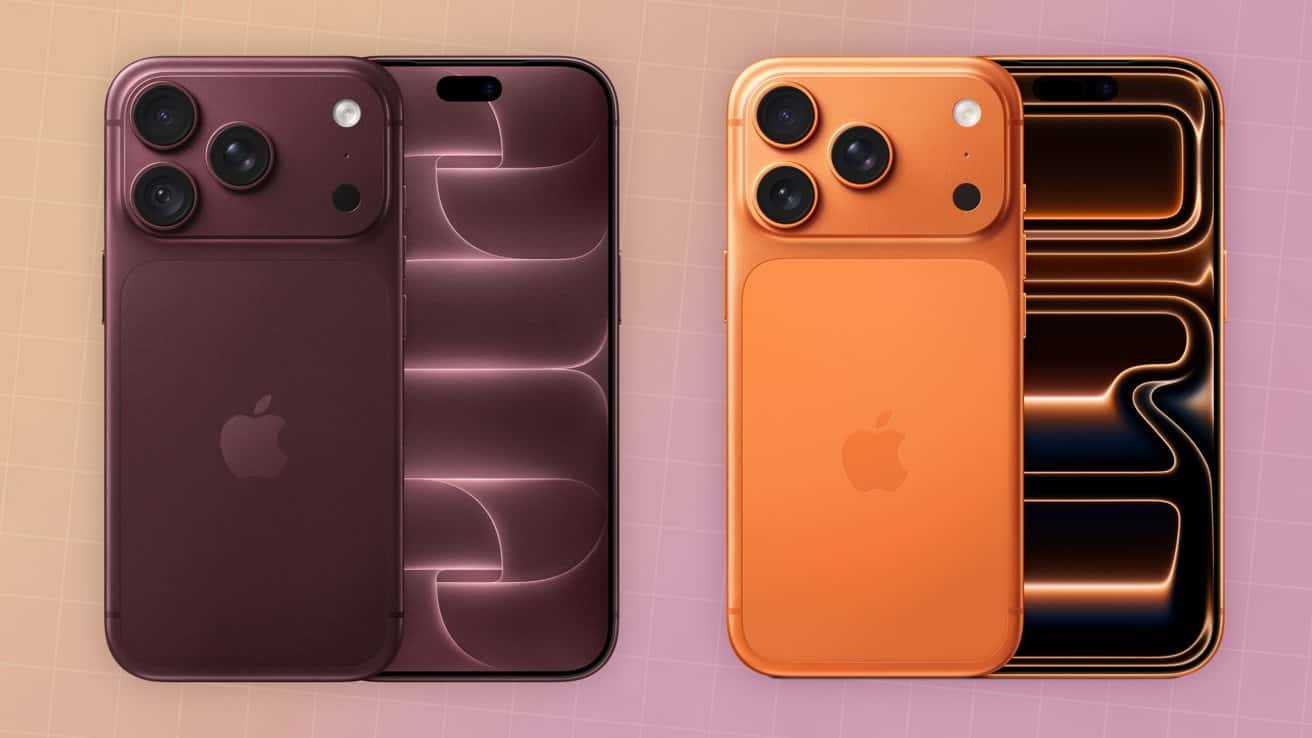
What can we expect from Apple's biggest product launch of the year? Tech giant Apple is gearing up for its annual September event, with reports indicating an unprecedented unveiling of over 10 new products. This significant rollout will encompass major refreshes across its core hardware lines, including much-anticipated new iPhones and several new Apple Watch models. The prolific launch schedule underscores Apple's sustained push to innovate and solidify its ecosystem dominance in the global consumer electronics market. The core of Apple's September showcase traditionally revolves around its flagship smartphone, and this year is no different. Consumers are keenly awaiting new iPhone models, which are expected to bring substantial performance upgrades and camera innovations. Furthermore, reports suggest Apple may be exploring new tiers within its smartphone offerings to cater to premium users seeking the absolute latest in mobile technology. This strategic move aligns with the company's long-standing approach to premiumisation and market differentiation. Alongside the iPhones, Apple's wearable segment is also set for a significant overhaul. New Apple Watch models are slated for debut, promising advancements in health tracking, fitness capabilities, and potentially new sensor technologies. This continuous evolution of the Apple Watch reinforces its position as a critical component of Apple's health and wellness strategy, integrating seamlessly into users' daily lives.
Apple is expected to launch over 10 new products, including new iPhone and Apple Watch models, and other new devices.
This is not merely about incremental upgrades; Apple is clearly making a concerted effort to strengthen its presence in various product categories. Reports suggest the launch of a diverse range of new devices highlights Apple's ambition to create a more pervasive and interconnected experience, competing directly with offerings from other tech companies. The integration of these devices into the Apple ecosystem aims to provide users with a seamless and intuitive experience, further cementing brand loyalty.
What does this extensive product pipeline signify for Apple's strategy?
From my analytical perspective, this extensive product pipeline reflects Apple's multifaceted strategy to deepen its ecosystem lock-in while simultaneously diversifying its revenue streams beyond the iPhone. By refreshing multiple product categories – including high-margin smartphones and wearables – Apple aims to capture a broader share of consumer spending and enhance the stickiness of its platform. This isn't just about selling more devices; it's about making each device an indispensable part of a user's digital life, reinforcing the value proposition of the entire Apple ecosystem. Furthermore, this spree of launches underscores Apple's commitment to pushing technological boundaries in key areas. This new lineup could signal a more aggressive stance in the market.
The Hardware Onslaught: Apple Squeezes the Consumer Wallet
Apple’s unprecedented barrage of over 10 new products reportedly including the iPhone 18 series, new Apple Watches, and an entirely new tier of camera-equipped AirPods, isn't just a standard fall refresh. It is a calculated, aggressive maneuver to saturate every conceivable inch of the consumer hardware market before the holiday quarter.
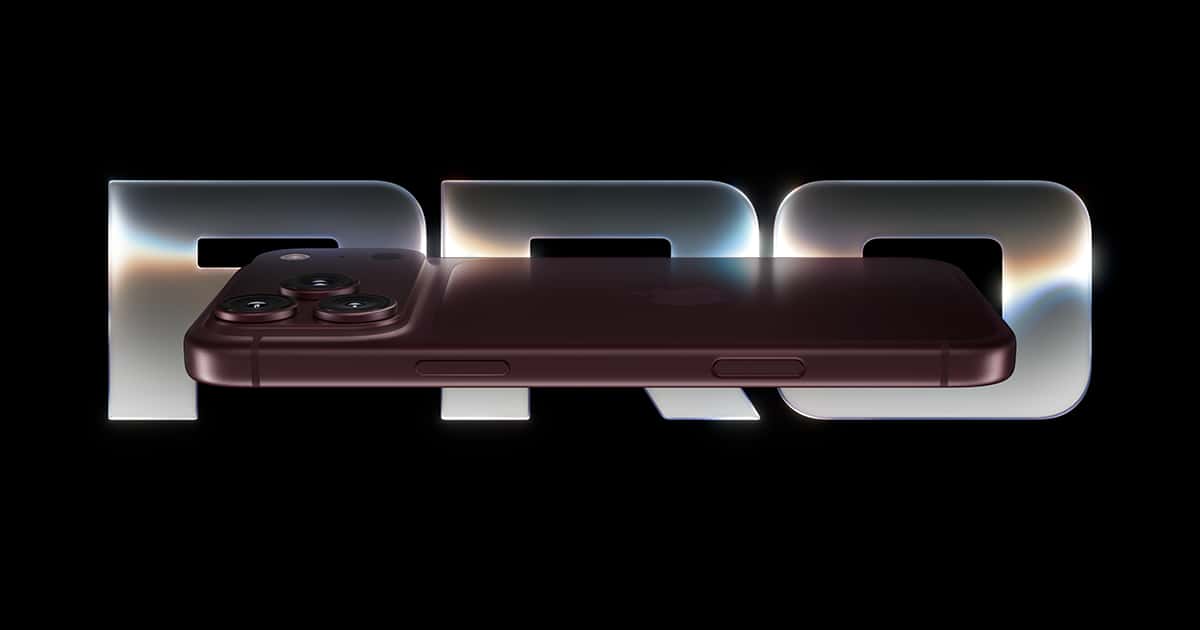
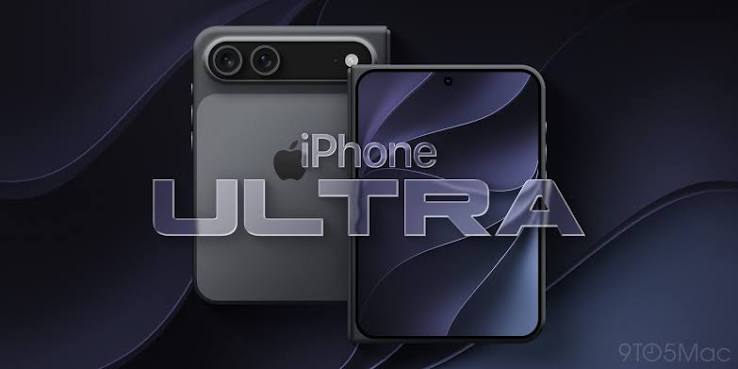
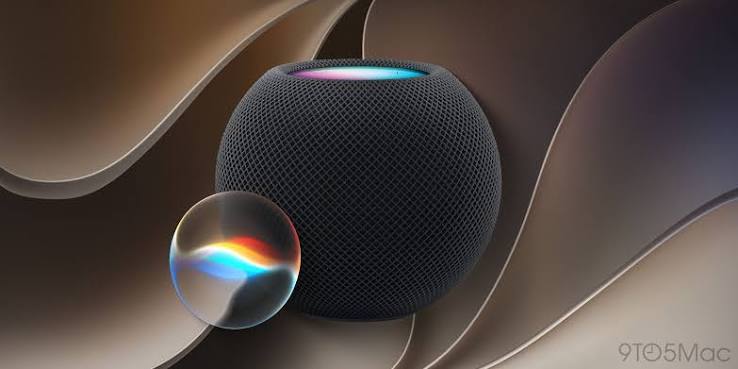
For the past few years, the narrative around Apple has heavily focused on the slowing growth of the smartphone sector and the company's pivot to high-margin Services. While the Services engine (App Store, Apple Music, iCloud) remains a critical growth lever, it fundamentally relies on expanding the active installed base of hardware. By dropping an avalanche of new devices—ranging from an ultra-premium iPhone 18 Pro Max and the rumored "iPhone Ultra" to overhauled wearables and four new Home devices, Apple is executing a brute-force hardware strategy to drive massive upgrade cycles. They aren't just selling a phone; they are selling the entire ambient computing environment.
The most critical strategic subtext here is the rumored integration of "Visual Intelligence." With reports indicating that the new "AirPods Ultra" will feature an IR camera system to feed real-world visual data directly into Siri, Apple is attempting to bypass the smartphone screen entirely. This is a profound shift in the human-computer interface. By embedding multimodal AI into a wearable that already has massive market penetration, Apple is positioning itself to own the next generation of voice-and-vision-driven search without needing a headset or a pair of smart glasses. For the broader consumer tech landscape, this product blitz is a suffocating flex of supply chain dominance. While competitors struggle to launch one or two flagship devices a year, Apple is demonstrating its ability to simultaneously overhaul its entire hardware portfolio while integrating next-generation silicon (the 2nm A20 chip) and advanced AI models. This raises the table stakes for the entire industry, forcing rivals to compete not just on individual device specs, but against an increasingly inescapable, tightly woven ecosystem.
How might these launches impact the broader consumer tech landscape?
The sheer volume and strategic intent behind Apple's upcoming launches are set to send ripples across the consumer tech landscape. Apple's product announcements often set industry benchmarks, compelling competitors to innovate rapidly in areas like chip performance, camera technology, and user experience. My read is that Apple's moves often dictate the pace of hardware and software evolution for many, and this comprehensive refresh will be no different. I also foresee a renewed focus on accessory ecosystems and subscription services. Each new device provides opportunities for Apple to integrate more deeply with its Services division, from Apple Fitness+ to iCloud and Apple Music. This interconnectedness not only boosts recurring revenue but also makes switching away from the Apple ecosystem increasingly difficult for consumers. Ultimately, these launches are not just about individual products; they represent a strategic offensive to cement Apple's leadership, influence industry trends, and continue expanding its already formidable technological footprint globally.
Frequently asked questions
When is Apple's next product launch event?
Apple is expected to hold its next major product launch event in September. This highly anticipated event will unveil over 10 new products, including the latest iPhone and Apple Watch models.
What new products will Apple launch in September?
Apple is anticipated to launch over 10 new products, including several new iPhone models, new Apple Watch models, and potentially other ecosystem additions.
Will there be new iPhones at the September event?
Yes, new iPhone models are confirmed to be among the key product introductions at Apple's upcoming September event.
What kind of Apple Watch models are expected?
Several new Apple Watch models are expected, indicating updates across different series or entirely new variants to deepen the wearable ecosystem.
What does 'deepening of Apple's ecosystem' mean?
This refers to Apple expanding its product range across various categories, ensuring seamless integration and enhancing the overall user experience within the Apple device family.
Where can I find more details about Apple's upcoming products?
Official details will be revealed at the September event. For rumors and analyst predictions, trusted tech publications like Inc42 and 9to5mac.com are good sources.