
Google's $15B India data center project faces fierce opposition in Visakhapatnam over water usage & wildlife impact.
Google's substantial data center project in India faces local environmental resistance.
Activists and children in Visakhapatnam protested over concerns about water usage and wildlife impact.
Protesters carried banners questioning the priority of data over drinking water.
The project is part of Google's broader significant investment in India's digital economy.
Google's substantial data center project in India faces significant local environmental opposition, a Reuters report said. The planned facility in Visakhapatnam has drawn protests concerning its potential impact on local water resources and wildlife, the report indicated. Local activists and children participated in marches, as shown in social media posts. These demonstrations featured banners with messages such as "We cannot drink DATA." Protesters also depicted handcuffs on the Google logo, symbolizing what they perceived as the environmental implications of the project, according to social media posts cited in the report. This local pushback underscores growing tensions between rapid digital infrastructure expansion and regional ecological concerns.
Background: Digital Expansion Meets Local Ecology
India represents a critical growth market for global technology companies, driven by its large population and accelerating digital transformation efforts. Major cloud providers, including Google, have committed significant investments to build out local infrastructure to meet surging demand for cloud services, improve data sovereignty, and reduce latency for Indian users, according to industry reports. Google had previously announced a significant investment into India's digital economy, with data centers forming a key component of this strategy. These facilities are essential for supporting services from search and YouTube to Google Cloud's enterprise offerings. The rapid growth of the digital economy necessitates robust physical infrastructure, primarily data centers, to process, store, and transmit information. From my perspective as someone tracking emerging technology trends, this expansion is critical for India's ongoing digital transformation, enabling everything from e-commerce to AI development. However, these facilities are energy-intensive and require significant water for cooling systems, posing potential challenges in regions with existing resource constraints.
Google committed a significant investment to India's digital economy, including data centers.
Reactions: Industry Scrutiny and Sustainability
The pushback against Google's Visakhapatnam project reflects a broader global trend where data center developments are facing increased scrutiny over their environmental footprint. Communities worldwide are raising concerns about the substantial water and energy consumption of these facilities. Large technology companies, including Google, have publicly committed to ambitious sustainability goals, aiming for carbon-free operations and efficient resource management. Google, for instance, has stated its goal to operate on 24/7 carbon-free energy across all its operations, including data centers. My read on the situation suggests that while technology companies are innovating in areas like AI-driven cooling and renewable energy procurement for data centers, local environmental impacts often remain a point of contention. The inherent design of current data center cooling systems typically requires substantial water, particularly in warmer climates, which can exacerbate water scarcity issues for surrounding communities. This dynamic forces a critical examination of site selection, technological solutions, and community engagement strategies for future infrastructure projects.
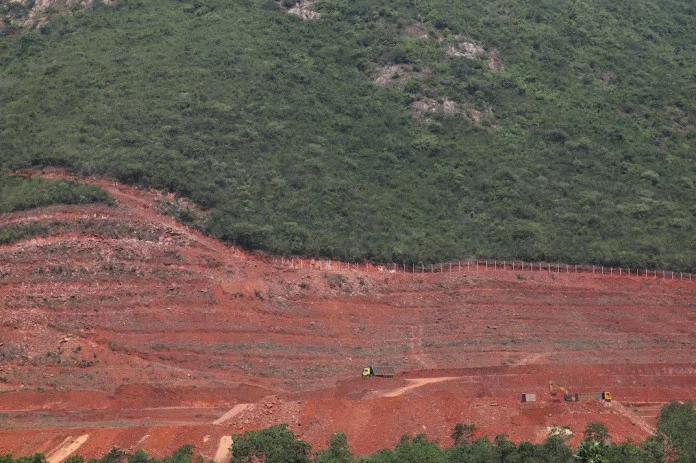
Google’s AI Ambition Must Not Outrun Local Consent Google’s $15 billion Visakhapatnam AI and data-centre project could strengthen India’s digital infrastructure and create significant economic opportunities. However, development at this scale cannot be justified without transparent environmental assessment and meaningful community participation. Visakhapatnam already faces an estimated daily water shortfall of 70 million litres, while activists have raised concerns about construction near the Kambalakonda Wildlife Sanctuary. Google says the facility will use advanced air-cooling and sound-dampening technologies, while the Andhra Pradesh government denies that residential or rural water supplies will be diverted. These assurances must be independently verified and supported by publicly available consumption data. In our view, India should welcome digital investment, but not through weak scrutiny. Sustainable infrastructure must protect drinking water, biodiversity and public trust alongside computing capacity.
What's Next: Balancing Growth and Responsibility
The situation in Visakhapatnam highlights the complex balance required between fostering digital growth and addressing local environmental and social responsibilities. Moving forward, data center operators may need to increase transparency regarding resource consumption, invest more heavily in closed-loop cooling systems or air-cooled alternatives where feasible, and engage proactively with local communities. Regulatory bodies might also introduce stricter environmental impact assessments and resource allocation policies for large-scale industrial projects. For India, a key market for digital services, navigating these challenges will be crucial for sustainable technological advancement.
Frequently asked questions
Why are people protesting Google's data center in India?
Local activists and children in Visakhapatnam are protesting Google's data center project due to concerns over its high water usage and potential negative impact on local wildlife habitats and the environment.
Where is Google building a data center in India?
Google's data center project that is facing environmental opposition is located in Visakhapatnam, India.
What are the main environmental concerns about Google's India data center?
The primary concerns raised by protesters are the significant water usage required by the data center and its potential ecological impact on local wildlife.
How much is Google investing in its India data center project?
Google is investing $15 billion in its data center project in India.
Who is protesting the Google data center in Visakhapatnam?
Environmental activists and local children in Visakhapatnam are actively protesting Google's data center project.
What is the source of the report on the protests?
The information on the protests comes from a BusinessLine report, citing social media posts regarding the local resistance.