Starman Optical’s all-cash acquisition of GoPro signals a pivotal shift for the action camera pioneer
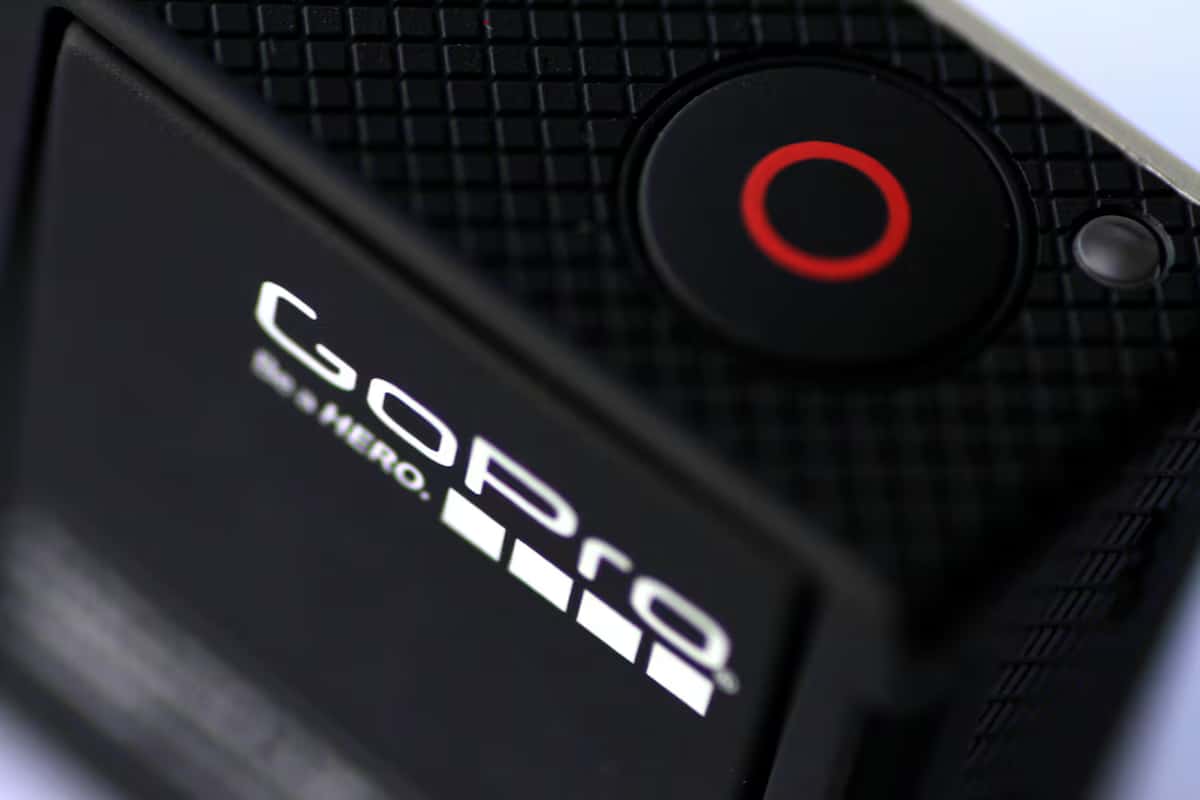
GoPro is being acquired by Starman Optical in an all cash deal valued at $285 million.
The deal marks a new phase for the action camera company.
Starman Optical is set to acquire GoPro in an all cash deal valued at $285 million, a transaction that marks an endgame for a once category-defining consumer tech company. The announcement is straightforward on paper, but the subtext is larger: a brand associated with the action camera era is now moving into new ownership after years of trying to rebuild scale, relevance, and investor confidence. For founders and operators across South and Southeast Asia, where hardware ambition still runs into harsh market realities, this is a reminder that iconic products do not always translate into durable standalone public companies.
The immediate takeaway is simple. The deal gives GoPro a buyer and gives Starman Optical a globally recognized brand in imaging hardware. In practical terms, this kind of transaction can create room to rethink product roadmaps, distribution, and cost structures away from the short cycle pressures of public markets, especially in a category where consumer excitement can fade faster than replacement cycles justify.
GoPro built its identity around a clear product insight: people wanted a rugged, easy way to capture extraordinary moments. That thesis was powerful because it turned a camera into a behavior. Surfing, biking, travel, motorsports, and creator culture all became part of the same product story. What started as a focused device for athletes expanded into a wider aspiration around personal media, and for a time GoPro looked like the rare hardware company that had both emotional pull and mainstream reach.
The conventional wisdom for years has been that GoPro lost because smartphones ate the camera market and because hardware, by itself, is a structurally difficult business. That view is not wrong, but it is incomplete. Smartphones did absorb casual photography, and hardware margins are unforgiving, but GoPro’s challenge was also strategic. It remained highly associated with a specialized use case even as consumer electronics moved toward integrated ecosystems, recurring software revenue, and broader creator tools. In other words, the company did not simply get displaced by better cameras in phones. It got squeezed by a market that began rewarding platforms over single-purpose devices. That distinction matters in India and the wider region. Versions of this story have played out across consumer tech, from wearables to smart TVs to drones and creator tools. Building a beloved device is difficult. Building a repeat purchase cycle around it is harder. Building software, subscription, accessories, and community on top of that device is what increasingly decides whether a company remains independent. GoPro worked on subscriptions and software, but the category itself had already become narrower than the public market once imagined.
Starman Optical’s bet, then, looks less like a rescue of a fading gadget company and more like an acquisition of durable brand equity in a still relevant niche. Imaging remains strategically important. The rise of short video, outdoor travel content, motorsports fandom, creator-led commerce, and visual-first social platforms has not reduced the value of high quality capture in challenging conditions. If anything, it has sharpened the divide between phones for convenience and specialized cameras for intent. That is where GoPro still carries meaning.
The sparse public details around the deal leave plenty unanswered, but the pattern is familiar. A known consumer brand with deep recognition and a differentiated product identity becomes more attractive in private hands, especially when a buyer thinks the asset can be optimized around focused categories rather than broad consumer electronics expectations. My read is that this is less about reviving the old dream of GoPro as a mass market breakout and more about repositioning it as a disciplined imaging business with loyal users, a distinct use case, and perhaps a more patient owner.
That reading also lines up with a wider shift in tech and electronics. The age of easy narratives around standalone hardware disruptors has passed. Investors and acquirers now look for software pull, ecosystem lock-in, or brand defensibility in a narrow but durable segment. GoPro arguably retains the third. In that sense, the acquisition reflects realism rather than decline. Plenty of companies would rather own a trusted global product brand with a clear identity than build one from scratch.
There is a useful parallel here for South and Southeast Asian startups, particularly those in consumer devices, EV accessories, audio, imaging, and creator infrastructure. The region is full of founders who start with a sharp product problem, often in markets where value-conscious buyers force immediate discipline. The lesson from GoPro is not that hardware ambition is doomed. It is that category leadership must eventually compound into system value. If a device is memorable but not embedded in a broader user workflow, growth can flatten quickly once the novelty curve ends.
That is also why recent tech storylines, even beyond cameras, point in the same direction. AI is changing interfaces, cloud economics are changing software buying, and media consumption keeps shifting toward creators and communities. Across these shifts, the winners are usually the companies that combine product utility with a layer of recurring engagement. In India, that could mean pairing devices with creator subscriptions, software features, training content, commerce, or service networks. In Southeast Asia, where fragmented markets make scale expensive, brand trust and channel execution become even more critical. GoPro’s trajectory, and now its sale, reinforces that these are not optional add-ons. They are the business.
The $285 million value is also a signal about how public market narratives can reset over time. A company that once stood for category creation is now being bought in a deal that reflects a far more constrained view of its future as an independent entity. That is not unusual in tech history. A company can be culturally influential and still struggle to remain structurally powerful. Founders often build the future before the business model around that future fully matures, and then larger platforms, new user habits, or capital market expectations redraw the field.
For GoPro, the story has always carried a deeply founder-led quality. It was never just a specification sheet. It was built around a consumer emotion: the desire to relive and share lived experience. That instinct was correct, and in many ways early. What changed was the stack around it. Sharing moved to social platforms. Editing moved to software ecosystems. Casual capture moved to phones. The value left in dedicated cameras became more concentrated, more enthusiast-driven, and more demanding.
Seen from that angle, Starman Optical is not buying nostalgia. It is buying a position in a category that still matters when image stabilization, durability, portability, and mounting flexibility matter more than convenience alone. There may also be a supply chain logic here, since imaging hardware increasingly sits at the intersection of optics, sensors, software processing, and branded distribution. An acquirer with conviction can often create value by tightening that chain rather than trying to win the broad consumer device race.
Founding moments and funding moments often get celebrated, but exits and restructurings teach harder lessons. The strongest conventional view says this is a sad ending for an action camera pioneer. I do not think that is quite right. It is better understood as a late-stage correction in how value accrues in modern tech. Product originality still matters. Founder vision still matters. But endurance comes from how well that originality is wrapped inside a repeatable economic system.
What started as a small idea about letting people capture their own adventures ended up shaping a global category and influencing how creators think about point-of-view storytelling. Now, under Starman Optical, GoPro gets another chance to find a sustainable operating model outside the glare of public market expectations. For founders in India and across Asia, that is the real story: build products people love, but build the surrounding business with even greater care, because the market eventually prices not just invention, but staying power.
Frequently asked questions
Is GoPro being acquired by Starman Optical?
Yes. GoPro is set to be acquired by Starman Optical in an all-cash deal valued at $285 million. The transaction marks a major ownership change for the action camera company.
How much is Starman Optical paying for GoPro?
Starman Optical is acquiring GoPro for $285 million. The deal is structured as an all-cash transaction, which means the payment is not being made in stock.
Why is the GoPro-Starman deal important?
The deal matters because GoPro was once a category-defining consumer tech brand in action cameras. This acquisition signals a new phase for the company as it looks to reposition itself under new ownership.
What does an all-cash deal mean in the GoPro acquisition?
An all-cash deal means Starman Optical will pay the full purchase price in cash rather than offering shares as part of the transaction. For readers and investors, that usually indicates a straightforward acquisition structure.
Will GoPro products or branding change after the Starman acquisition?
No detailed product or branding changes have been confirmed in the announcement preview. However, acquisitions like this often lead to strategic shifts in product development, distribution, or brand positioning over time.
What does the Starman Optical acquisition mean for GoPro’s future?
The acquisition could give GoPro a chance to reset its strategy and operate with new priorities under Starman Optical. For the broader market, it suggests the GoPro brand still holds value despite years of pressure in consumer tech.