Consumer complaints over iOS 18-related iPhone issues push Indian regulators to deepen scrutiny of Apple
India has escalated an investigation into Apple over alleged iOS 18-related problems after consumer complaints said some iPhones required paid repairs following the software update, adding regulatory pressure in one of Apple's important growth markets.
The probe matters beyond India because Apple is increasingly relying on the country for manufacturing and sales growth, which means even a software quality dispute can spill into scrutiny of service costs, customer support, and the company's broader local operations.
For U.S. investors and developers, the case is another sign that Apple faces product and platform oversight on multiple fronts at once, from software reliability complaints abroad to antitrust and app store pressure in the U.S. and Europe.
If Indian authorities push the matter further, Apple could face demands around repairs, disclosures, or consumer compensation, a risk that comes at a sensitive moment as the company tries to deepen its footprint in India while keeping iPhone margins intact.
India has escalated its probe into Apple over allegations that iOS 18 caused problems that left some iPhone users paying for repairs. The move adds another regulatory issue for Apple in a market it increasingly needs for both growth and manufacturing.
Indian authorities are examining complaints that an iOS 18 update allegedly led to device issues and out-of-pocket repair costs, turning what might otherwise look like a customer-service dispute into a broader test of how Apple handles software failures in a strategically important country.
The case lands at an awkward time for Apple. India is no longer just a promising smartphone market for the company. It is also a production base as Apple and its suppliers diversify beyond China. That makes a consumer-protection investigation there more consequential than similar flare-ups in smaller markets, especially if officials decide the issue touches repair practices or after-sales obligations rather than a narrow software bug.
Apple has spent the last several years building goodwill in India through local assembly, retail expansion, and closer ties with policymakers. A probe tied to iOS 18 cuts across all three. Software updates are supposed to reinforce Apple's pitch that tightly integrated hardware and software justify premium prices. If consumers instead end up with repair bills, regulators can ask whether users were adequately informed, whether repairs should have been free, and whether Apple or its authorized service network shifted costs onto customers.
That distinction matters in the U.S. too. Apple has defended its ecosystem for years on the claim that vertical integration produces reliability and security that more open rivals struggle to match. When update-related complaints turn into repair disputes, the argument gets weaker. It also gives regulators a simpler narrative than app store policy or platform self-preferencing. Consumers understand a phone update. They understand a repair bill even faster.
iOS 18
The software release at the center of the Indian complaints is Apple's current iPhone operating system, raising the stakes beyond an older or niche product line.
The Ecosystem's Accountability Gap
Apple’s escalating standoff with Indian regulators over iOS 18 isn’t just a local customer service dispute but it exposes a fundamental paradox at the heart of the company’s celebrated walled garden.
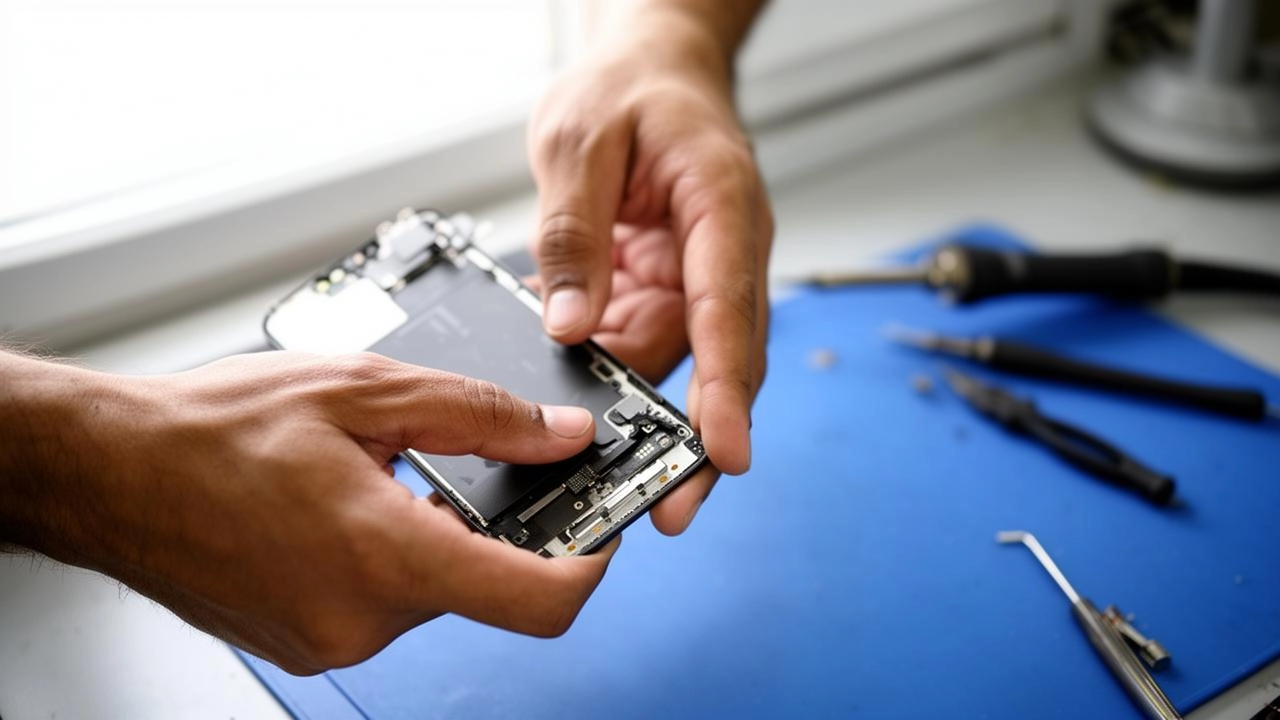
For years, Apple has justified its premium pricing and tight ecosystem control by promising an unmatched, seamless integration of hardware and software. Yet, when an official system update allegedly triggers severe hardware failures such as unresponsive microphones or the dreaded "green line" display malfunction, Apple’s defense pivots abruptly. By arguing that its software license agreements explicitly offer “no warranty of any kind,” the company effectively severs the very hardware-software bond it uses to market its devices, leaving users to shoulder exorbitant repair bills.
India’s Central Consumer Protection Authority (CCPA) is right to challenge this. The investigation strikes at the core of consumer rights in the digital age: if a manufacturer pushes an official update that breaks essential device functions, can they legally hide behind boilerplate software terms to force paid hardware repairs?
The stakes in this probe are immense. India is no longer just a high-growth consumer market; it is the linchpin of Apple’s long-term strategy to diversify manufacturing away from China. Facing a government-backed investigation here carries far more weight than fragmented class-action lawsuits in the United States. If the CCPA forces Apple to offer refunds or alter its global business practices, it could set a massive regulatory precedent.
Ultimately, Apple cannot have it both ways. It cannot sell the virtues of a closed, perfectly optimized ecosystem while adopting a rigid, "buyer beware" stance the moment its software degrades the hardware it runs on. How Apple navigates this regulatory crossfire will signal whether its commitment to the customer experience truly extends beyond the point of sale.
There is a broader pattern here. Apple is already dealing with antitrust and platform scrutiny in Washington and Brussels, while also navigating right-to-repair pressure and complaints over warranty and service practices in multiple markets. India escalating an iOS 18-related probe shows how those threads can converge. A software issue can become a service issue, then a consumer-rights issue, and finally a political issue if it affects a company seen as both a national investment win and a high-profile foreign brand.
For U.S. readers, the most useful comparison may be how quickly product reliability questions can become regulatory questions once repair costs are involved. In the U.S., many Apple disputes stay fragmented across class-action claims, state-level consumer complaints, or public blowback on social media. In India, a central authority can give the issue more formal shape, and that alone changes the pressure on the company. It raises the odds that Apple will need a clearer public response, whether that means denying a systemic problem, expanding service remedies, or covering some repairs to keep the matter contained.
None of this means Apple is facing an existential threat in India. iPhone remains a premium product with strong aspirational pull there, and Apple has reason to stay on good terms with Indian officials. That is why this is notable. A company can usually absorb criticism over a buggy release. It has a harder time shrugging off a government-backed complaint that customers had to pay to fix damage allegedly linked to the company's own software.
The timing also sharpens the stakes for the wider smartphone market. Samsung and other Android vendors have long dealt with the perception that software updates vary by device and can produce uneven results. Apple has used the opposite message as a selling point. If regulators in a major market start pressing on whether an iPhone update caused hardware-like failures or repair costs, competitors gain an opening. Not because users will suddenly switch en masse, but because Apple's quality premium depends on trust more than most hardware brands do.
The background
Apple's India strategy has been multidimensional for a U.S. consumer tech company. It is trying to sell more devices, produce more devices, and build more political capital there at the same time. That creates upside, but it also means a single consumer issue can touch several parts of the business. A dispute around iOS 18 is not just about software support. It can feed into conversations about local accountability, service standards, and whether global tech companies treat Indian customers the same way they treat U.S. buyers.
There is also a more subtle issue investors should watch. When regulators scrutinize update-related repair complaints, they are indirectly testing the economics of Apple's support model. If authorities decide customers should not bear costs tied to a software release, the company may have to absorb more service expense or widen eligibility for free fixes. On its own, that may be manageable. Repeated across markets, it becomes a margin question. That is a notable possibility for a company whose hardware business depends not just on volume, but on preserving a premium structure around service, warranties, and repair.
What's next
The next concrete trigger is whether Indian authorities publicly spell out the scope of the alleged iOS 18 issues and seek remedies from Apple, such as technical explanations, repair relief, or compensation. Apple's response will matter almost as much as the probe itself. If the company treats this as an isolated complaint set, the story may cool. If regulators frame it as a broader consumer-harm issue, expect closer attention from other jurisdictions already looking for simpler ways to challenge big tech.
Frequently asked questions
Why is India investigating Apple over iOS 18?
Indian authorities are looking into consumer complaints that some iPhones reportedly developed issues after updating to iOS 18. The key concern is whether users were forced to pay for repairs tied to a software-related problem rather than normal hardware failure.
What are the alleged iOS 18 problems in the India Apple probe?
The complaints center on claims that certain iPhones experienced malfunctions after the iOS 18 update. Regulators are examining whether those problems were widespread enough to justify a deeper consumer protection review.
Did Apple charge iPhone users in India for repairs after iOS 18 updates?
The allegations say some customers had to pay for repairs after issues appeared following the update. The investigation is meant to determine whether those charges were appropriate and whether Apple handled the complaints fairly.
Why does the Apple investigation in India matter outside India?
India is one of Apple's most important growth markets for both iPhone sales and manufacturing. Any regulatory pressure there could affect Apple's reputation, local operations, and broader strategy as it diversifies production beyond China.
Could the India Apple probe lead to refunds or policy changes?
It could, depending on what regulators find during the investigation. If authorities conclude consumers were wrongly charged, Apple could face pressure to change repair practices, improve support, or offer compensation.
How might this affect Apple’s business in India?
Even if the case remains limited, it adds scrutiny in a market Apple increasingly depends on for expansion. Stronger oversight could influence customer trust, after-sales service expectations, and Apple's regulatory relationships in the country.