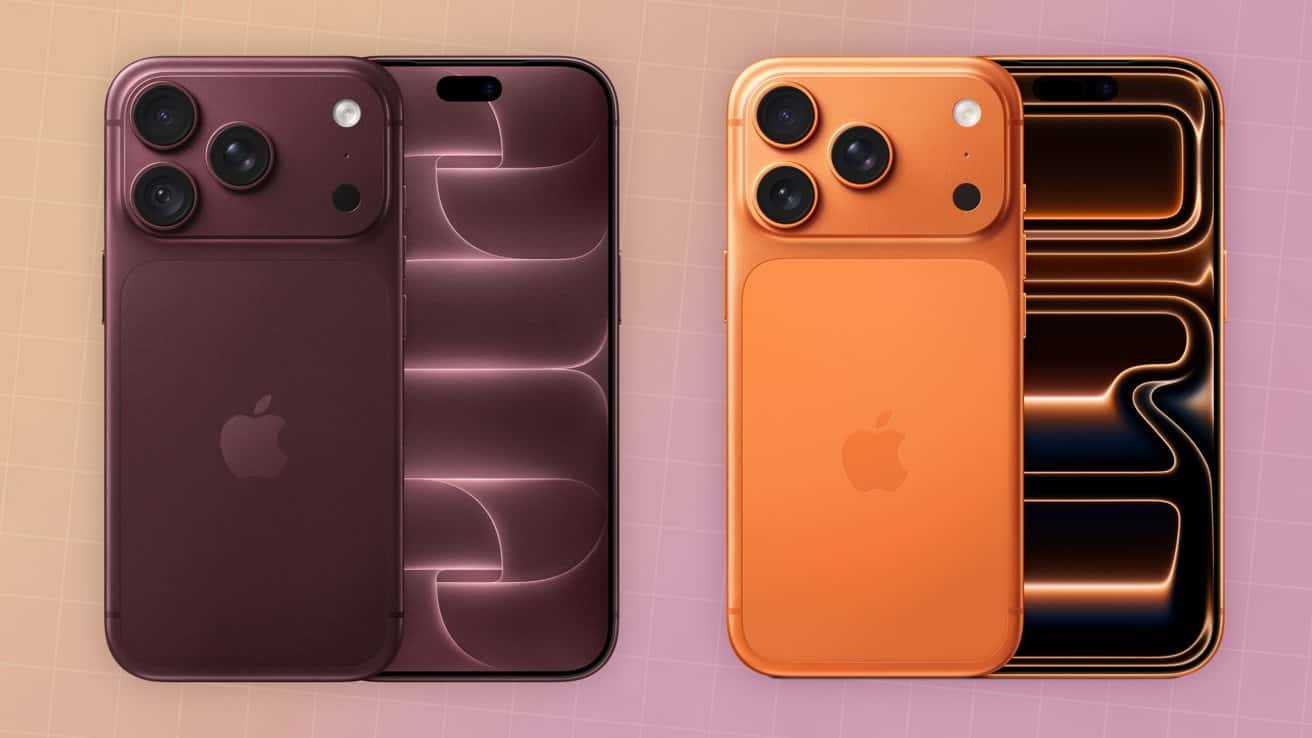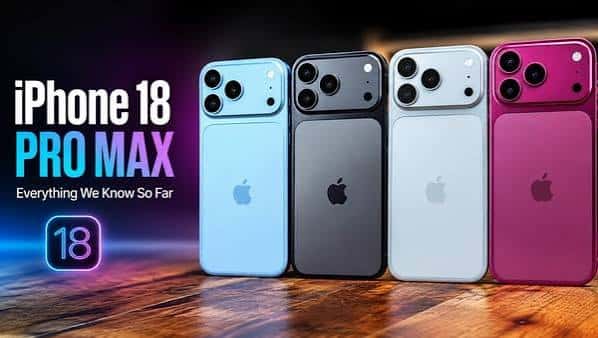
Analysts predict a substantial price hike for Apple's next flagship. Discover the factors driving the increase and what it means for buyers.
As the annual September unveiling of Apple's newest iPhone line approaches, anticipation is building, but not just for the technological leaps expected in the iPhone 18 Pro. A significant undercurrent of discussion revolves around its potential price tag, with many analysts and industry watchers predicting a substantial increase that could push the device into unprecedented territory for a mainstream smartphone.
The conventional wisdom, widely circulated among supply chain experts and financial analysts, points to a confluence of factors creating an almost unavoidable upward pressure on the iPhone 18 Pro's cost. This perspective suggests that consumers should brace for a significant jump, potentially far exceeding the incremental increases seen in prior generations. At the heart of this argument are three primary drivers: escalating component costs, a dramatically enhanced camera system, and the introduction of a cutting-edge, more expensive processor.
Foremost among these factors is the volatile landscape of memory and storage components. Reports indicated significant increases that have already impacted other product lines. This summer, Apple implemented price adjustments across its MacBook and iPad ranges, yet the iPhone was conspicuously spared at that time. Many interpret this as a strategic deferral, with the expectation that the iPhone 18 Pro will bear the brunt of these rising material costs.
Beyond memory, the iPhone 18 Pro is rumored to feature a sophisticated variable aperture camera system, a significant upgrade over its predecessor. This new lens technology is anticipated to carry a higher average selling price compared to the iPhone 17 Pro’s main camera module. Such a substantial cost increase for a core component naturally translates to a higher bill of materials for Apple.
Adding to this financial burden is the introduction of the A20 Pro chip, a groundbreaking processor manufactured by TSMC using its pioneering advanced process. This advanced fabrication technique promises unparalleled performance and efficiency but comes with an inherently complex and more expensive design and manufacturing process. Reports suggest that the development and production costs for the A20 Pro are considerably higher for both Apple and its manufacturing partner, making it another key contributor to the projected price hike.
Given these compounding factors, some analysts have offered stark predictions, suggesting consumers could see a significant increase for the iPhone 18 Pro models. These figures represent a dramatic shift in the premium smartphone market.
Analysis into component costs further lends weight to higher estimates. To maintain similar margins for the iPhone 18 Pro, factoring in estimated cost increases and the new, more expensive camera system, would theoretically necessitate a higher price point.
Apple’s iPhone 18 Pro Pricing Will Test the Limits of Premiumisation Apple appears to have genuine cost pressure heading into the iPhone 18 Pro launch. Memory prices have risen sharply, while the rumoured variable-aperture camera could cost roughly 50% more than the current lens system. The A20 Pro is also expected to use TSMC’s advanced 2nm process, adding further manufacturing expense. However, predictions of a dramatic price increase remain speculative. IDC has suggested the Pro models could rise by as much as $200, but Apple has not confirmed pricing. In our view, Apple has considerable pricing power, but there is a ceiling. A modest increase could reinforce the Pro lineup’s premium positioning; an excessive hike risks extending upgrade cycles and pushing consumers toward older or non-Pro models. The real test is whether the new hardware delivers enough visible value to justify the premium.

However, this conventional wisdom, while compelling, is not without its challenges and nuances. Not all industry observers forecast such a dramatic leap; some suggest a more conservative increase, aligning more closely with the price adjustments Apple made to its Mac and iPad lines earlier in the year. This perspective implies that Apple might absorb some of the rising costs or find efficiencies elsewhere to avoid alienating a significant portion of its user base with an excessive price jump.
Further, some analysts have presented an even more optimistic outlook, theorizing that Apple could implement cost-saving measures on other components within the broader iPhone 18 lineup. Such internal optimizations, they suggest, could help offset the rising costs of the advanced camera and processor, thereby mitigating the need for an extreme price increase on the Pro models.
From my perspective, the debate over the iPhone 18 Pro's pricing transcends mere component costs; it reflects a broader evolution in the premium smartphone market and Apple's strategic positioning within it. We are witnessing a clear trend line across the entire industry where flagship devices are commanding higher prices. This isn't solely about inflation or supply chain snarls, though those are undeniable factors. It's also about a segment of consumers demonstrating a willingness to invest significantly in devices that offer cutting-edge features, robust ecosystems, and long-term support. Samsung, Google, and other premium Android manufacturers have also steadily increased their top-tier phone prices, signaling a collective industry belief in the sustained demand for ultra-premium experiences. Apple, with its historically strong brand loyalty and perceived value, is uniquely positioned to test the upper limits of this pricing trend.
Moreover, a substantial price increase for the iPhone 18 Pro would align with Apple's overarching strategy to enhance its Average Revenue Per User (ARPU) and drive engagement with its lucrative services ecosystem. As the global smartphone market matures, growth increasingly comes not just from selling more units, but from selling higher-value units and attaching more services to them. By making the Pro models significantly more premium, Apple implicitly nudges some consumers towards its mid-tier offerings or reinforces the perception of exclusivity for its top-tier devices, which then become gateways to Apple Music, iCloud, Apple Arcade, and other subscription services. This strategic emphasis shifts the narrative from pure unit sales volume to the overall lifetime value of a customer within the Apple ecosystem.
The implications for the American consumer are considerable. A higher starting price for a smartphone represents a significant discretionary purchase, pushing the device further into the luxury segment. While a loyal segment of Apple's customer base may continue to upgrade regardless of price, such a jump could extend upgrade cycles for others or prompt them to consider older Pro models or the standard iPhone 18. This could, ironically, lead to a greater stratification of the iPhone user base, where the "Pro" moniker truly signifies a premium tier accessible to fewer. The question then becomes whether the perceived value of the A20 Pro chip and the advanced camera system justifies such a substantial investment for a broad enough market segment.
My read on this situation is that while the technical justifications for a significant price increase are robust, Apple's final decision will likely be a calculated balance between maintaining healthy profit margins and ensuring market acceptance. The argument against a very high starting price, even for Apple, carries weight in a market where consumer spending power, despite some resilience, is still under pressure. A substantial hike seems extreme, potentially overshooting what even Apple's most loyal customers might comfortably absorb in a single generation. While a more modest increase feels more aligned with Apple's recent strategy across other product lines, the unique pressures from component costs and advanced features could push it slightly higher.
Ultimately, the exact figures will remain speculative until Apple's official announcement in the coming weeks. However, what is clear is that the iPhone 18 Pro's pricing decision will be one of the most closely watched aspects of its launch, setting a potential new benchmark for what consumers are expected to pay for cutting-edge smartphone technology in the United States.
Frequently asked questions
How much more could the iPhone 18 Pro cost?
Analysts widely predict a significant price increase for the iPhone 18 Pro, potentially pushing it into unprecedented territory for Apple's mainstream flagship. While specific figures vary, expectations are for a noticeable jump compared to previous models.
What factors are driving the iPhone 18 Pro's potential price increase?
Potential factors include rising component costs, advanced new technologies, global inflation, supply chain complexities, and Apple's strategy to position the 'Pro' line as a truly premium offering.
When is the iPhone 18 Pro expected to be announced?
Apple typically unveils its new iPhone lineup during its annual September event, with pre-orders and release following shortly after.
Will all iPhone 18 models see a price increase?
While the 'Pro' models are often the focus of price hike predictions due to their advanced features, it's possible other iPhone 18 models could also see adjustments, though often less dramatic.
What are the expected new features of the iPhone 18 Pro?
While speculative, new features often include camera improvements, faster processors, display enhancements, longer battery life, and potentially new connectivity options or design changes.
Is it worth waiting for the iPhone 18 Pro despite the higher price?
The value of waiting depends on your current device, budget, and desire for the latest technology. If the rumored advanced features significantly enhance your user experience, the higher price might be justified for some.