AI-fueled global memory chip shortage now impacts Apple's MacBook Air, causing supply delays and potential price hikes for consumers.
A burgeoning global memory chip shortage, primarily fueled by the insatiable demands of AI companies, is now severely impacting mainstream consumer hardware like Apple's MacBook Air.
Apple, a leading Hardware/Consumer Electronics giant, is facing significant supply constraints, leading to extended delivery times for its popular Mac models and strategic adjustments like price increases.
The crisis underscores critical vulnerabilities in the global semiconductor supply chain, prompting major tech players to re-evaluate procurement strategies.
For India's burgeoning startup ecosystem, this trend signals potential headwinds for hardware-dependent ventures, including escalating component costs, longer lead times, and increased competitive pressure for critical components.
The situation reflects a broader industry shift where high-performance memory is increasingly prioritized for AI infrastructure, potentially at the expense of traditional consumer device manufacturing.
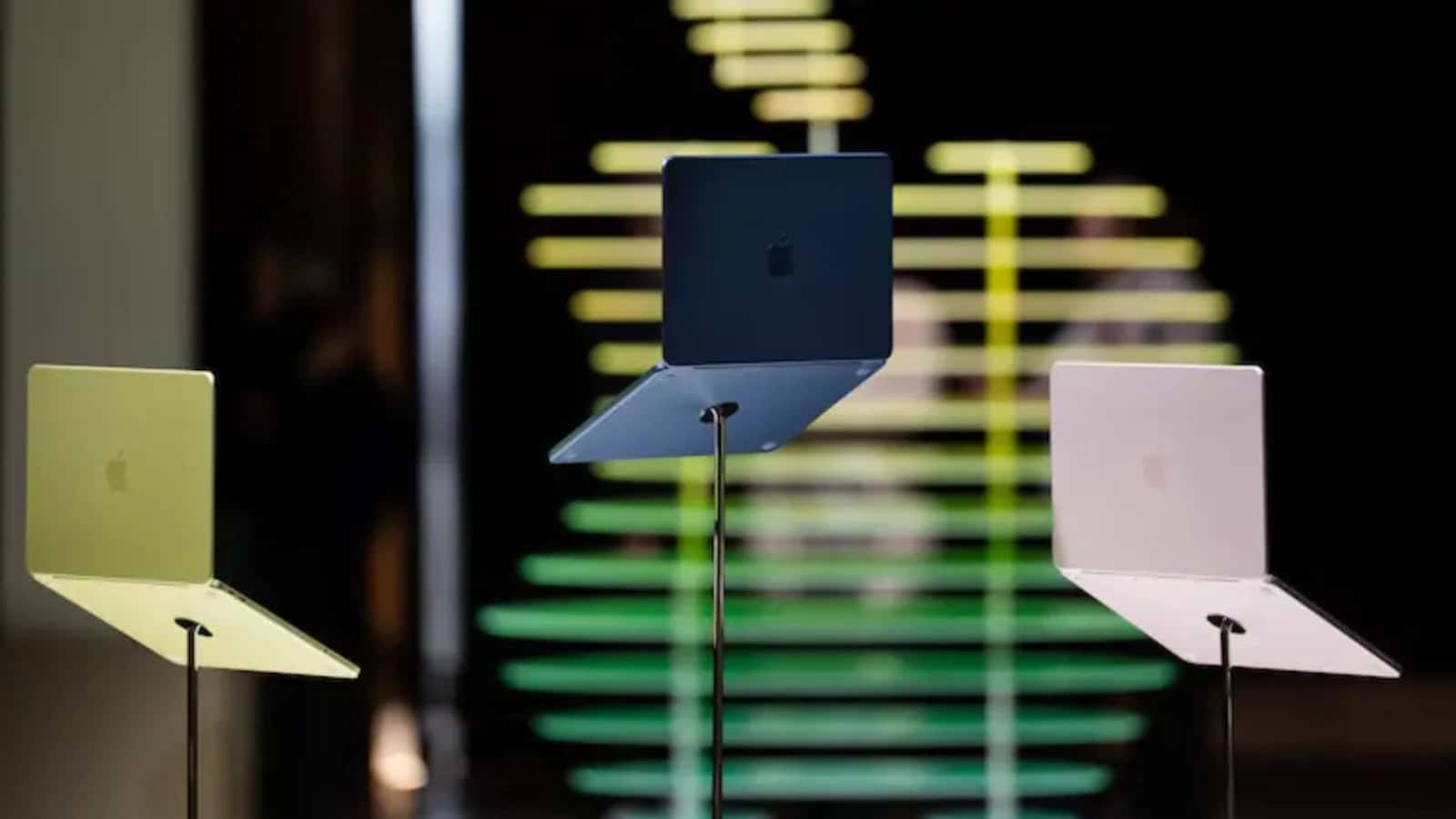
The global tech landscape is grappling with a profound shift, as the memory chip shortage, previously a concern for niche enterprise hardware, has now reached the consumer mainstream, notably impacting Apple's highly sought-after MacBook Air. Apple, founded in 1976 and a titan in the Hardware/Consumer Electronics sector, is reportedly struggling to maintain adequate stock of its most popular Mac model, a direct consequence of soaring demand for memory from the booming artificial intelligence industry. This disruption, first observed with Apple’s Mac mini and Mac Studio, now casts a long shadow over the broader consumer electronics market. Consumers attempting to purchase a MacBook Air from Apple’s official channels are now facing significant wait times, with delivery estimates stretching into late August or even September for specific configurations. This constraint has forced the Cupertino-based giant to implement strategic changes, including a reported increase in prices.
The AI gold rush is claiming an unexpected casualty: the everyday consumer’s laptop. A severe global memory chip shortage, driven by the insatiable demand from AI data centers, is now constraining supply for mainstream devices like Apple’s MacBook Air. This isn't a typical supply chain blip. Chip manufacturers have aggressively reallocated production lines away from consumer DRAM and NAND to prioritize the high-margin, high-bandwidth memory required for AI infrastructure. As a result, components are scarce and prices are skyrocketing. Apple has already been forced to increase prices across its Mac lineup—by $100 to $400+ in recent months—and is struggling to maintain inventory for the M5 MacBook Air. For the Indian startup ecosystem, particularly hardware ventures, this signals intense headwinds. The era of cheap, abundant memory is effectively over for the medium term. Founders building hardware-dependent products must brace for escalated component costs and extended lead times as they compete for scraps in a market where hyperscalers are buying up manufacturing capacity years in advance.
This isn't merely an Apple problem; it's a stark indicator of a systemic issue rippling through the global technology ecosystem. This development is seen as a critical signal for founders and investors in the hardware and AI space, especially within the dynamic Indian startup ecosystem. The underlying cause is the insatiable appetite of AI companies for memory, essential for their compute-intensive applications.
Frequently asked questions
Why is the global memory shortage impacting the MacBook Air?
The global memory shortage, primarily driven by the high demand from AI companies, is now causing significant supply constraints for mainstream consumer hardware like Apple's MacBook Air.
How is Apple responding to the memory chip shortage?
Apple is facing extended delivery times for its Mac models and implementing strategic adjustments, potentially including price increases, to manage the supply constraints.
What role does AI play in the memory shortage?
AI companies' insatiable demand for high-performance memory chips is a primary catalyst, consuming a significant portion of the global supply and exacerbating the existing shortage.
Will this shortage affect other consumer electronics?
While the article specifically mentions MacBook Air, a global memory chip shortage typically impacts a wide range of consumer electronics that rely on these components, from smartphones to gaming consoles.
How long is the MacBook Air delivery delay?
The article indicates extended delivery times, but specific durations can vary based on region and model configuration, with some customers potentially waiting weeks or months.
What does this mean for the Indian market?
For the Indian market, this could translate to longer wait times for new MacBook Air purchases, potential price hikes, and a ripple effect on the availability of other imported tech products.