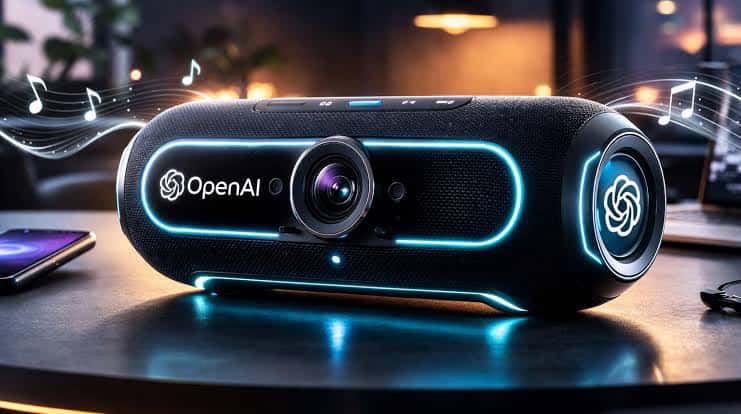
OpenAI is set to launch a premium AI-powered smart speaker, entering consumer hardware with a $300-$400 device that could reshape the market but faces significant risks.
OpenAI is reportedly preparing to launch a premium AI-powered smart speaker priced between $300 and $400, marking a significant foray into consumer hardware. This strategic move could redefine the competitive landscape for conversational AI devices, yet simultaneously introduce substantial market and profitability risks for the generative AI leader. The device is being developed in collaboration with a design studio. This premium price point positions OpenAI's offering considerably above many existing smart speakers. The partnership with a design studio underscores a clear intent to prioritize premium design and user experience, aiming to differentiate it from commoditized rivals. This strategic diversification comes as OpenAI seeks to embed its flagship ChatGPT technology deeper into daily user interactions, moving beyond software interfaces and web browsers. The decision to enter a hardware category historically plagued by thin margins and intense competition raises questions about the long-term viability and potential for market disruption. For OpenAI, a company predominantly known for its software and API offerings, this shift demands new supply chain expertise, manufacturing capabilities, and a distinct consumer marketing strategy.
What are the Stakes for OpenAI's Hardware Ambition?
OpenAI's venture into a physical product represents a pivotal moment, testing the hypothesis that superior AI can overcome established hardware market dynamics and consumer expectations. The smart speaker sector has proven notoriously difficult to monetize effectively, with even tech giants like Amazon reportedly incurring significant losses on their Alexa devices as the market matured. For a company like OpenAI, which lacks a history in consumer electronics manufacturing or a pre-existing ecosystem of smart home devices, the challenges extend beyond mere product design. My read is that this isn't merely about selling a speaker; it's about establishing a new front for AI interaction, challenging the incumbent paradigms of how we engage with intelligent agents. The high price tag suggests OpenAI is targeting an early adopter segment, willing to pay a premium for what they hope is a fundamentally new interaction model rather than competing directly on price with mass-market devices. The product strategy seems to center on delivering a fundamentally different "AI companion" experience that moves beyond simple command-and-response. However, the utility of its elements will need to be clearly articulated to justify the premium.
OpenAI's rumored smart speaker will carry a price tag between $300 and $400, positioning it to differentiate through advanced AI and design rather than price competition.
What is the Background of OpenAI's Hardware Strategy?
OpenAI, established originally as a non-profit artificial intelligence research company, rapidly ascended to prominence with the public release of ChatGPT, showcasing large language models to a global audience. This success has propelled a strategic evolution from pure research to aggressive commercialization and product development, driven by significant investment and a competitive landscape eager to integrate generative AI. The exploration of hardware aligns with a broader industry trend where leading AI entities seek to control the full stack of AI interaction, from foundational model to user interface. This ambition is rooted in the belief that proprietary hardware can unlock new capabilities for AI and provide a more seamless, integrated user experience. The smart speaker market itself has undergone significant evolution since its inception, moving from a novelty to a ubiquitous household appliance. Early market leaders like Amazon and Google invested heavily in subsidizing devices to expand their ecosystems and data collection capabilities. However, profitability has remained elusive for many, leading to market consolidation and a focus on incremental improvements rather than revolutionary shifts. OpenAI's entry signifies a bet that a truly advanced, conversational AI can re-energize a stagnant category, potentially shifting consumer expectations from basic automation to a more proactive and intelligent ambient computing experience.
The Bear Case for OpenAI's Smart Speaker
The conventional wisdom often posits that OpenAI, with its leading-edge AI, possesses an inherent advantage in any market it chooses to enter, suggesting that superior intelligence can automatically translate into market success. However, a significant bear case exists for its smart speaker initiative, primarily rooted in the mature, saturated, and often unprofitable nature of the smart speaker market itself. Consumers have already been exposed to smart speakers from Amazon, Google, and Apple, many of which are now considered commodity devices. The promise of "better AI" might not be sufficient to command a significant price premium without a radically different, indispensable user experience that current devices cannot replicate. My analysis suggests that the core challenge for OpenAI will be demonstrating a clear, compelling value proposition that transcends existing smart speaker functionality. If the "AI companion" experience is not substantially more intuitive, proactive, and deeply integrated into daily routines than current offerings, the premium pricing could prove an insurmountable barrier for widespread adoption. Furthermore, the market has seen previous attempts by well-funded startups to disrupt consumer hardware with premium devices, often with limited success against entrenched ecosystems and established customer loyalties. OpenAI lacks the built-in services, extensive hardware distribution networks, or direct control over a vast smart home device ecosystem that its competitors leverage, creating a significant uphill battle in a market where ecosystem lock-in plays a crucial role in customer retention.
OpenAI is stepping out of the browser and into your living room. The generative AI powerhouse is reportedly partnering with Jony Ive’s legendary design firm, LoveFrom, to launch its first consumer hardware product: a premium, donut-shaped smart speaker priced between $300 and $400. This is a massive strategic pivot. For years, the smart speaker market has been a race to the bottom, with tech giants like Amazon and Google absorbing huge losses to subsidize cheap, commoditized hardware. By pricing its debut device well above existing market leaders, OpenAI is making a bold bet. The upcoming product reportedly features environmental sensors, a camera, and physical moving parts designed to give the speaker a sense of "aliveness" during real time interactions. The company hopes consumers will pay a steep premium for an ambient, truly conversational AI companion running advanced ChatGPT Voice Mode, rather than just another basic voice assistant. For the startup ecosystem, this move signals that the battleground for artificial intelligence is rapidly shifting from foundational models to full stack physical integration. However, consumer electronics is notoriously unforgiving. Without an established smart home ecosystem or massive distribution channels, OpenAI faces a steep uphill climb to prove that superior software can successfully command a luxury price tag in a historically unprofitable sector.
Investors and tech enthusiasts will closely monitor further details regarding the device's specific features. Key dates to watch include any official product announcements, which will offer clarity on OpenAI's go-to-market strategy. The success or failure of this hardware endeavor could significantly influence future investments in AI-integrated consumer devices and shape OpenAI's trajectory as a full-stack technology company aiming to extend its reach beyond pure software.
Frequently asked questions
What is OpenAI's new smart speaker?
OpenAI is reportedly launching a premium AI-powered smart speaker, marking its first major foray into consumer hardware. This device aims to compete in the growing market for conversational AI devices.
How much will OpenAI's AI speaker cost?
The new OpenAI AI smart speaker is expected to sell for between $300 and $400, positioning it as a premium device in the smart speaker market.
When will OpenAI's smart speaker be released?
While a specific release date hasn't been announced, reports indicate OpenAI is preparing to launch the device soon, potentially in collaboration with a partner.
What are the risks for OpenAI with this new speaker?
OpenAI faces substantial market and profitability risks by entering the competitive consumer hardware space, challenging established players and navigating supply chain complexities.
How will OpenAI's speaker compete with existing devices?
OpenAI's AI smart speaker aims to redefine the competitive landscape for conversational AI devices by leveraging its advanced generative AI capabilities to offer a premium user experience.
Is OpenAI developing its own hardware?
Yes, OpenAI is reportedly developing this AI-powered smart speaker in collaboration with partners, signaling its strategic move into consumer hardware.