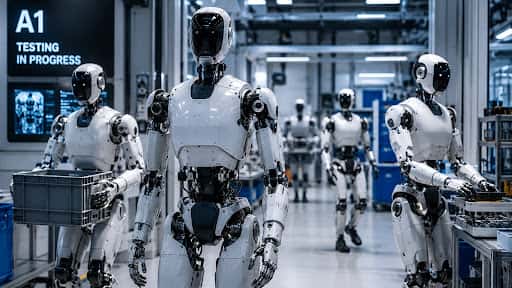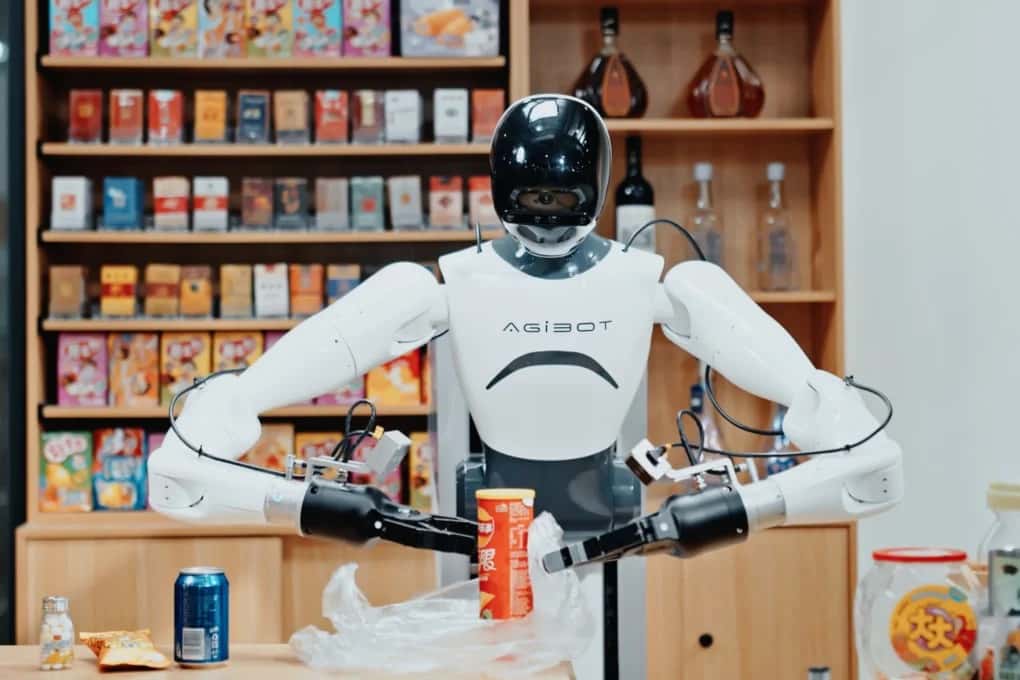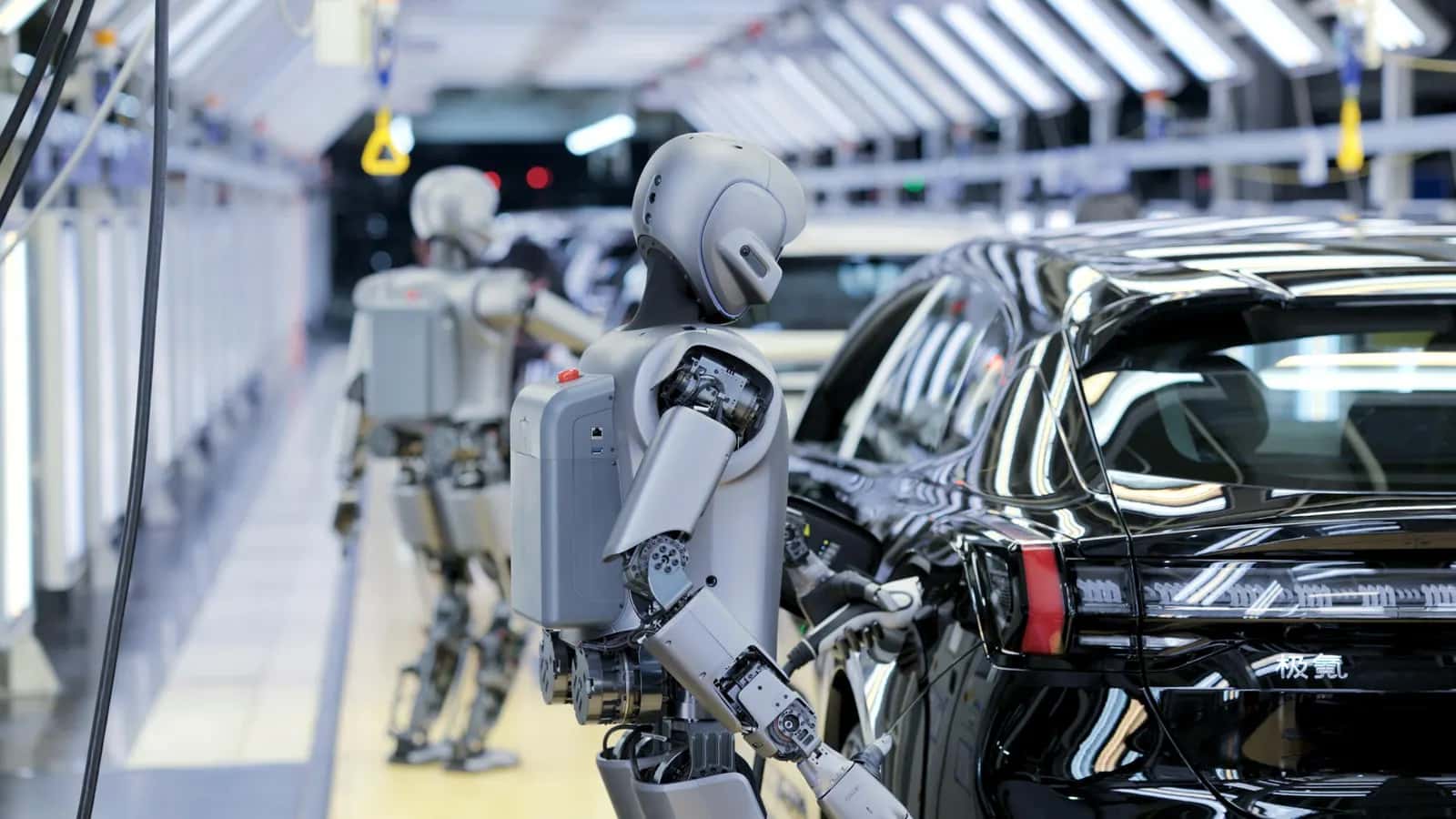
Humanoid robots promise flexibility for manufacturing, but face a tough battle against precise, cost-efficient industrial robots. Will they transform factories?
The advent of humanoid robots promises unprecedented flexibility for manufacturing tasks, potentially transforming factory floors globally.
This emerging technology faces a significant challenge from well-established industrial robots, which currently dominate factories due to their specialized precision and cost-efficiency.
The core debate revolves around the adaptability of humanoids for varied, unstructured tasks versus the high-speed, repetitive accuracy of traditional automation.
For India's rapidly expanding manufacturing sector, integrating humanoids would require substantial investment in advanced AI and robotics infrastructure.
The future likely involves a hybrid approach, with humanoids carving out specific niches rather than outright replacing the robust capabilities of existing industrial automation.
The global manufacturing landscape is at an inflection point, with the burgeoning promise of humanoid robots entering the traditional domain of industrial automation. While industrial robots, a technology spanning decades, have perfected repetitive, high-precision tasks, humanoid designs, driven by advancements in artificial intelligence and mobility, offer the allure of flexibility and adaptability to human-centric environments. This dynamic sets the stage for a critical evaluation of which robotic paradigm will best serve the evolving needs of factories, particularly within rapidly industrializing economies like India, where both labor dynamics and technological aspirations are unique.
Conventional wisdom often suggests that humanoid robots, by mimicking human form and movement, are inherently superior for diverse tasks in environments designed for humans. Their ability to navigate existing factory layouts, operate standard tools, and perform non-repetitive functions without extensive retooling presents a compelling vision of adaptable automation. This flexibility could be revolutionary for industries requiring frequent product changes or handling complex, varied components, moving beyond the rigid programming of their industrial counterparts. Many see humanoids as the ultimate solution to labor shortages and the demand for more versatile production lines. However, this promising outlook must be weighed against the formidable capabilities and entrenched position of industrial robots.
These purpose-built machines are engineered for extreme precision, speed, and durability in highly structured environments. They excel at repetitive tasks like welding, assembly, and material handling, operating with a level of efficiency and consistency that humanoids are still far from achieving. Their cost-effectiveness, proven track record, and specialized designs for specific functions make them the undisputed workhorses of modern manufacturing, optimized for throughput and minimal error rates.
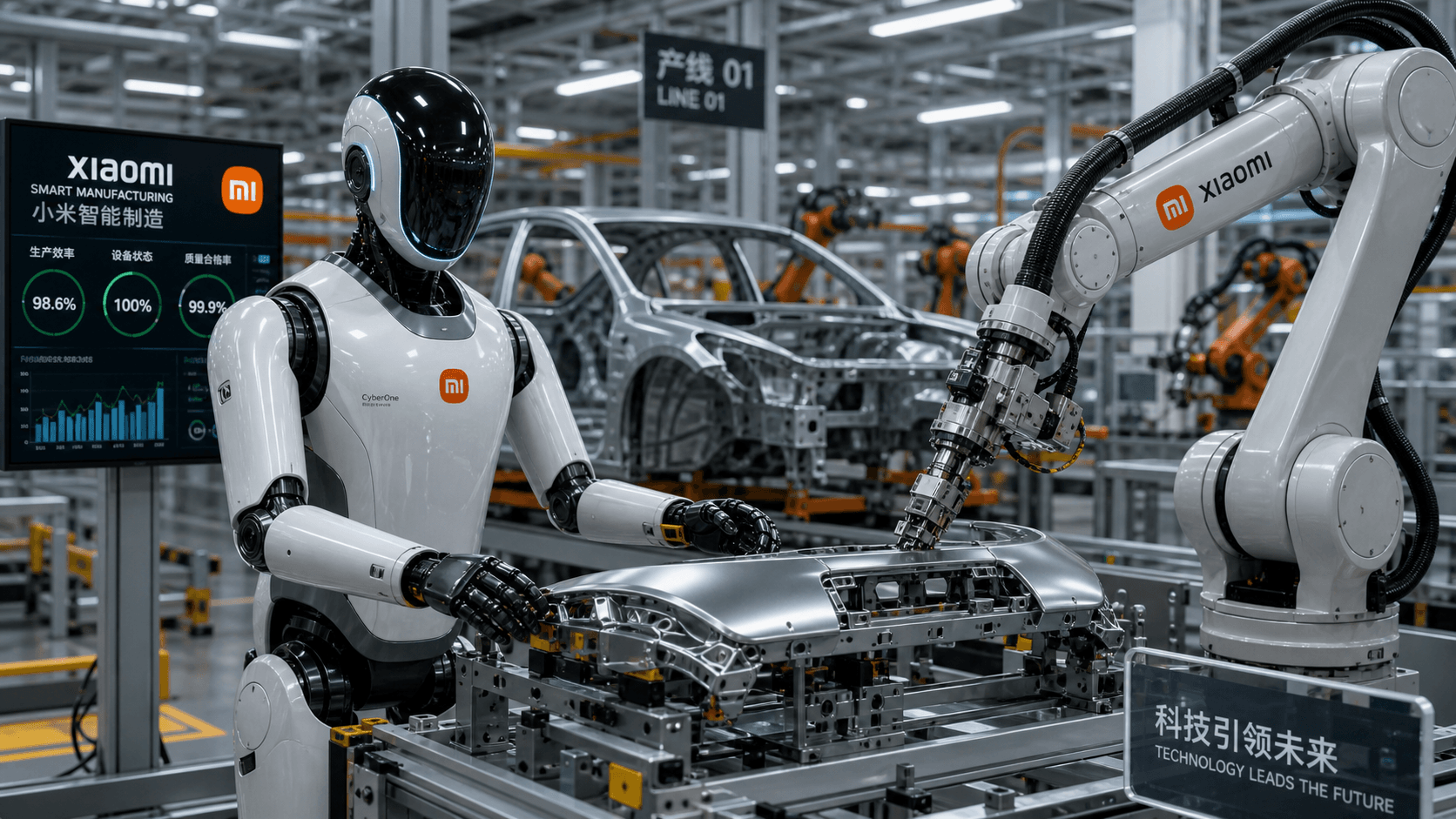
Why The Factory Floor Remains a Tough Sell
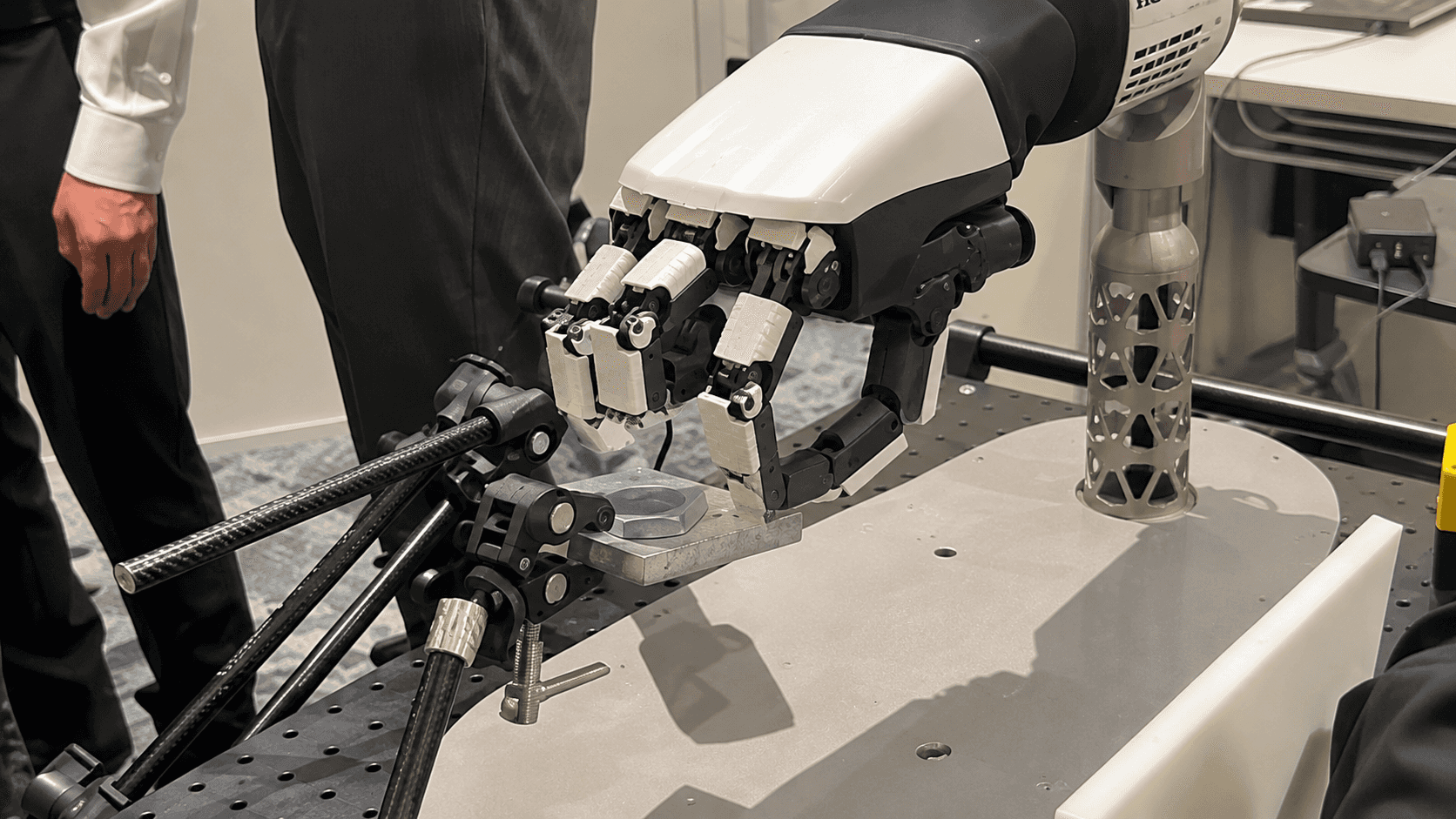
The notion that humanoid robots can simply walk onto a factory floor and immediately outcompete industrial robots overlooks fundamental practicalities of industrial production. Factories prioritize speed, robust performance, and safety above all else. Industrial robot arms can operate at speeds and exert forces that would be unsafe or impractical for a humanoid designed to interact with human infrastructure. Furthermore, their specialized grippers and end-effectors are tailored for specific objects, offering unparalleled dexterity for their designated tasks, a level of fine motor control and payload capacity that general-purpose humanoid hands are yet to match. The capital expenditure for a single, sophisticated industrial robot can be significant, but its return on investment is clear due to its specialized output. Humanoids, with their complex locomotion and advanced AI requirements, often come with a far higher price tag and slower operational speeds for comparable industrial tasks, making their economic justification challenging for many manufacturers in the short to medium term.
The Brownfield Trojan Horse: Humanoids on the Factory Floor
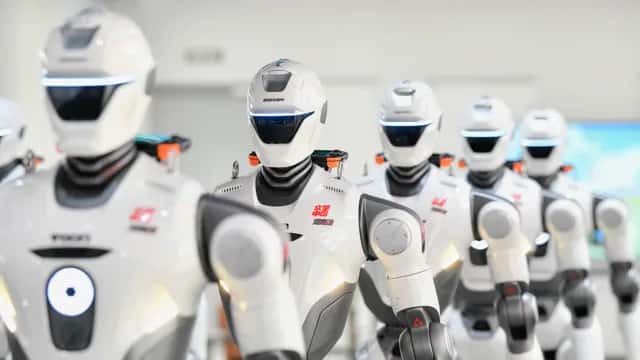
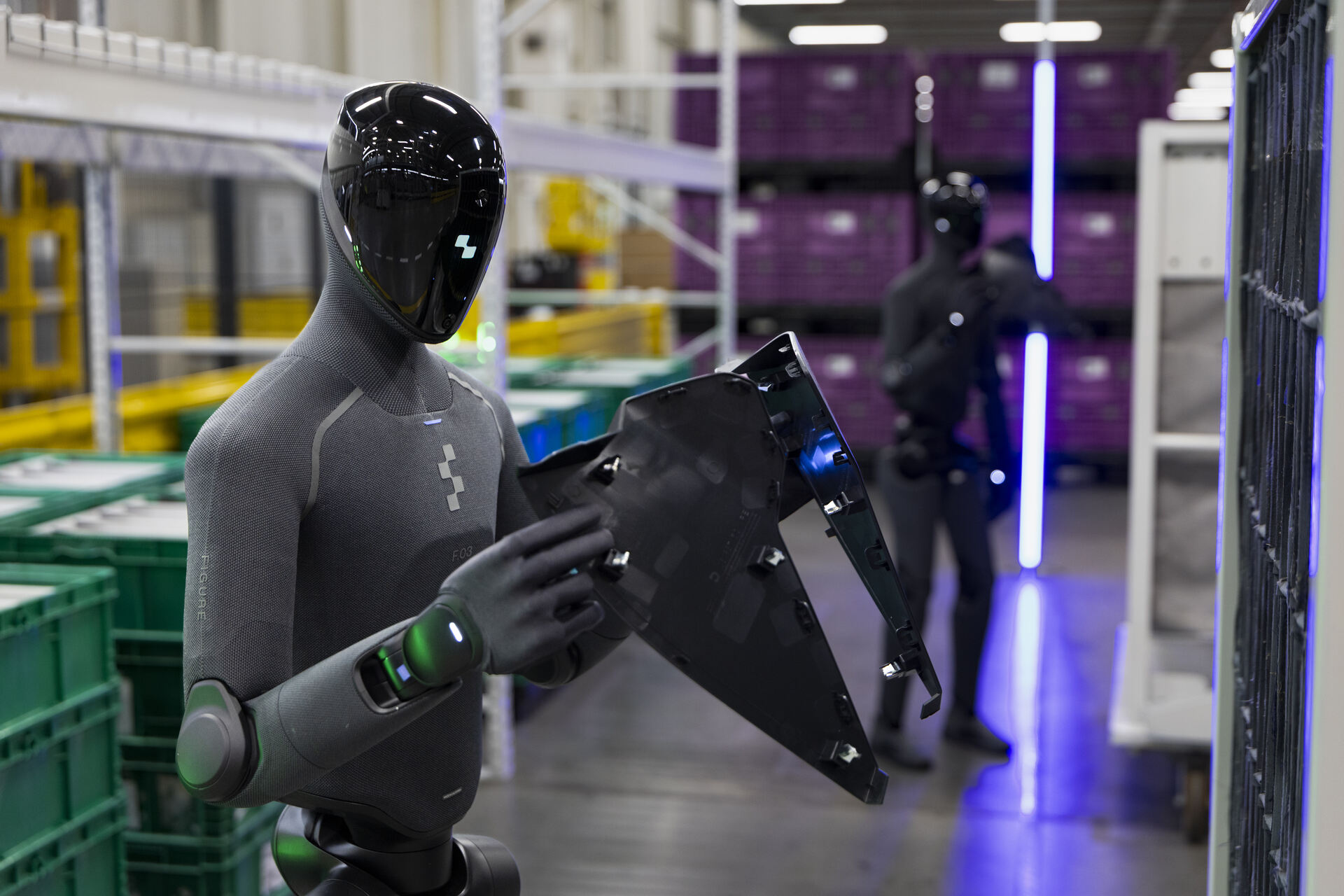
The debate pitting humanoid robots against traditional industrial arms fundamentally misreads the architectural reality of global manufacturing. Traditional automation requires a "greenfield" environment like purpose-built facilities, expensive safety cages, fixed guideways, and zero human variability. Humanoids, by contrast, are a "brownfield" solution. Because their form factor evolved to navigate environments designed for human bodies, they can drop into existing factory layouts, navigating standard aisle widths, workbench heights, and human tools without requiring millions in civil and electrical retrofits.
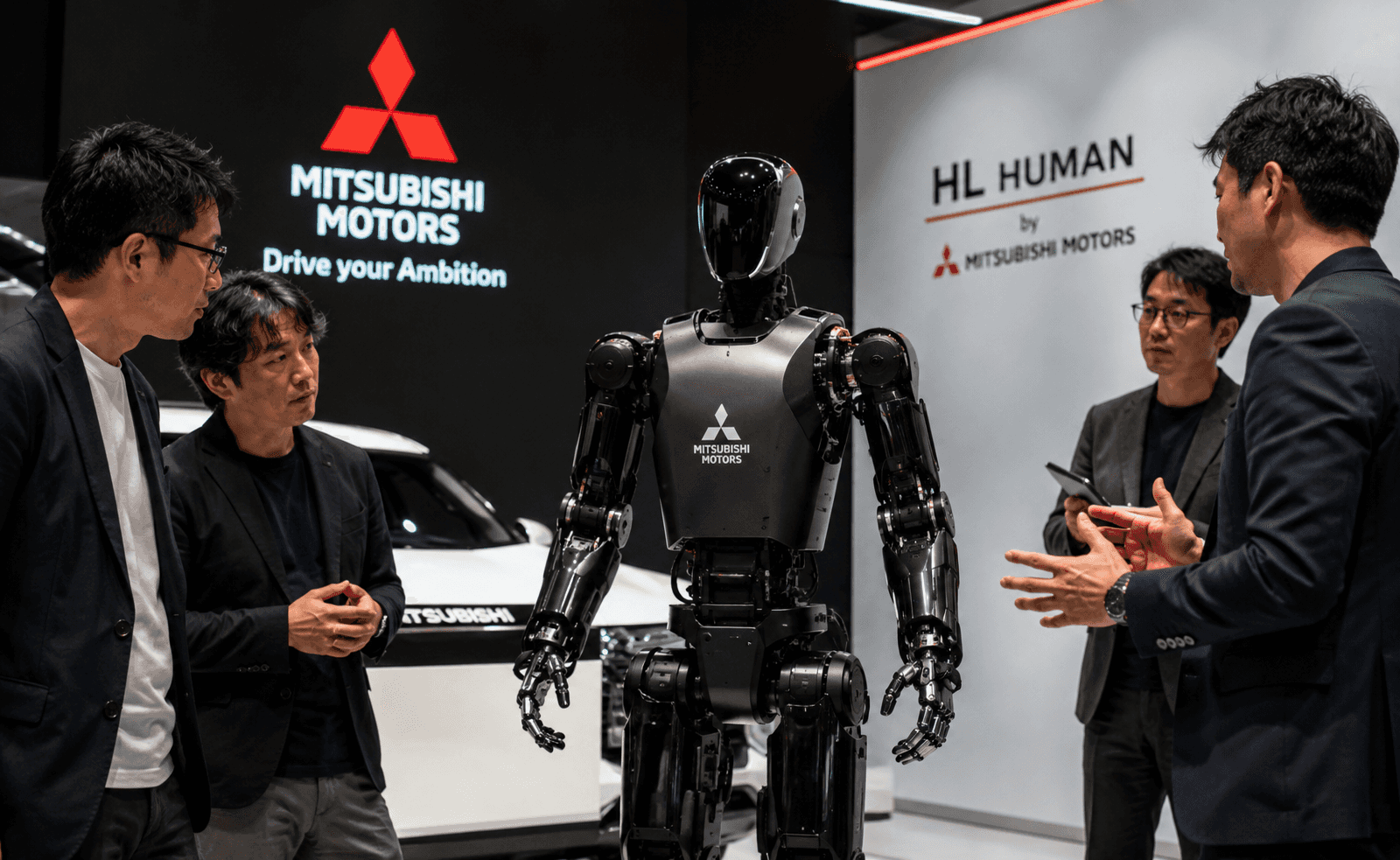
Until 2026, humanoids were largely a venture-backed science project. Today, they are a procurement line item. With units from Figure AI, Tesla, and Apptronik logging thousands of verified commercial hours at BMW and Mercedes-Benz, the unit economics are collapsing. The target commercial price point of $20,000$30,000, combined with operating costs hovering around $25 an hour, shifts the payback period from years to months. The true breakthrough driving this isn't just hardware; it is the "sim-to-real" AI pipelines and vision-language-action (VLA) models that allow these machines to learn in simulation and generalize tasks on the floor without hard-coding.
For India’s manufacturing sector, the humanoid integration strategy will look entirely different than in the US or China. India currently has a remarkably low industrial robot density, yet it possesses the world’s deepest English-speaking robotics software talent pool. The immediate play for the Indian ecosystem isn't necessarily capital-intensive hardware manufacturing. Instead, Indian startups are perfectly positioned to dominate the massive, lucrative backend required to make humanoids function: teleoperation data collection, edge-case simulation, and VLA model fine-tuning. For India, the immediate humanoid opportunity isn't building the metal, it's training the brain.
My analysis suggests that the true value proposition for humanoids in manufacturing will not be in direct competition with high-volume, repetitive tasks where industrial robots reign supreme. Instead, their niche will likely emerge in areas requiring human-like dexterity in unstructured or semi-structured environments, such as quality inspection, delicate assembly in unpredictable sequences, or collaborative tasks alongside human workers. For instance, in an Indian context, sectors like electronics manufacturing, which often involve intricate assembly and varied product lines, could potentially benefit from humanoids that can adapt to changing production needs without extensive retooling, offering a level of versatility that fixed-function robots cannot.
India's Robotic Future: Niche Applications or Broad Adoption?
The trajectory of robotics adoption in India presents a complex picture. While industrial robotics has seen steady growth, driven by the 'Make in India' initiative and the push for increased manufacturing output, the ecosystem for advanced humanoid robotics is still nascent. Indian manufacturing units, especially SMEs, are highly cost-sensitive and often grapple with infrastructure limitations. Investing in highly sophisticated, and currently expensive, humanoid robots would require a significant shift in capital allocation and technological readiness. However, the rapidly expanding Indian startup ecosystem, particularly in AI and machine learning, could be a fertile ground for developing more cost-effective and culturally adapted humanoid solutions.
What strikes me here is the potential for humanoids to address specific labor challenges in India, not necessarily by replacing jobs, but by augmenting human capabilities in hazardous environments or performing tasks that are currently difficult to automate with traditional robots. The emphasis must be on synergy. For example, in logistics or material handling within dynamic warehouse environments, humanoids might offer advantages over AGVs or traditional conveyor systems, particularly in situations requiring problem-solving in unforeseen circumstances. This trend aligns with the broader global movement towards 'Industry 4.0,' where intelligent automation, connectivity, and adaptability are paramount. However, the path to widespread adoption will necessitate significant R&D, local manufacturing capabilities for components, and robust investor interest in the AI & Robotics sector to bring down costs and improve reliability. Ultimately, the future of factory automation will likely be a nuanced blend rather than a winner-take-all scenario.
Industrial robots will continue to anchor high-volume, precise manufacturing processes where their specialized efficiency is unmatched. Humanoid robots, on the other hand, will gradually carve out their own space, starting with niche applications that leverage their flexibility and human-like interaction capabilities. The evolution of AI, particularly in areas like reinforcement learning and general-purpose dexterity, will be crucial in bridging the performance gap. For India, this means a dual focus: continuing to modernize with established industrial robotics while fostering an innovation ecosystem that can develop and deploy advanced humanoid solutions strategically, ensuring that technological progress serves both economic growth and a skilled workforce.
Frequently asked questions
How do humanoid robots differ from industrial robots in factories?
Humanoid robots are designed for adaptability and general-purpose tasks, mimicking human movement, while industrial robots are specialized for precise, repetitive, high-speed tasks within a fixed workflow.
What advantages do humanoid robots offer to manufacturing?
Humanoid robots offer unprecedented flexibility, allowing them to perform a wider range of tasks in unstructured environments, adapt to changing production lines, and work alongside human employees more easily.
Why are industrial robots currently dominant in factories?
Industrial robots dominate due to their proven precision, speed, durability, and cost-efficiency for specific, repetitive tasks. They offer a higher return on investment for established production processes.
What challenges do humanoid robots face in factories?
Key challenges include higher initial costs, slower operational speeds compared to specialized industrial robots, and the complexity of programming them for diverse tasks with sufficient reliability and precision.
Will humanoid robots replace industrial robots entirely?
It's unlikely humanoid robots will fully replace industrial robots. Instead, they are more likely to complement each other, with humanoids handling flexible tasks and industrial robots continuing with high-volume, precise operations.
What is the future outlook for humanoid robots in manufacturing?
The future outlook is promising as technology advances. Humanoids are expected to become more affordable, agile, and intelligent, making them a crucial component for flexible, human-centric factories.