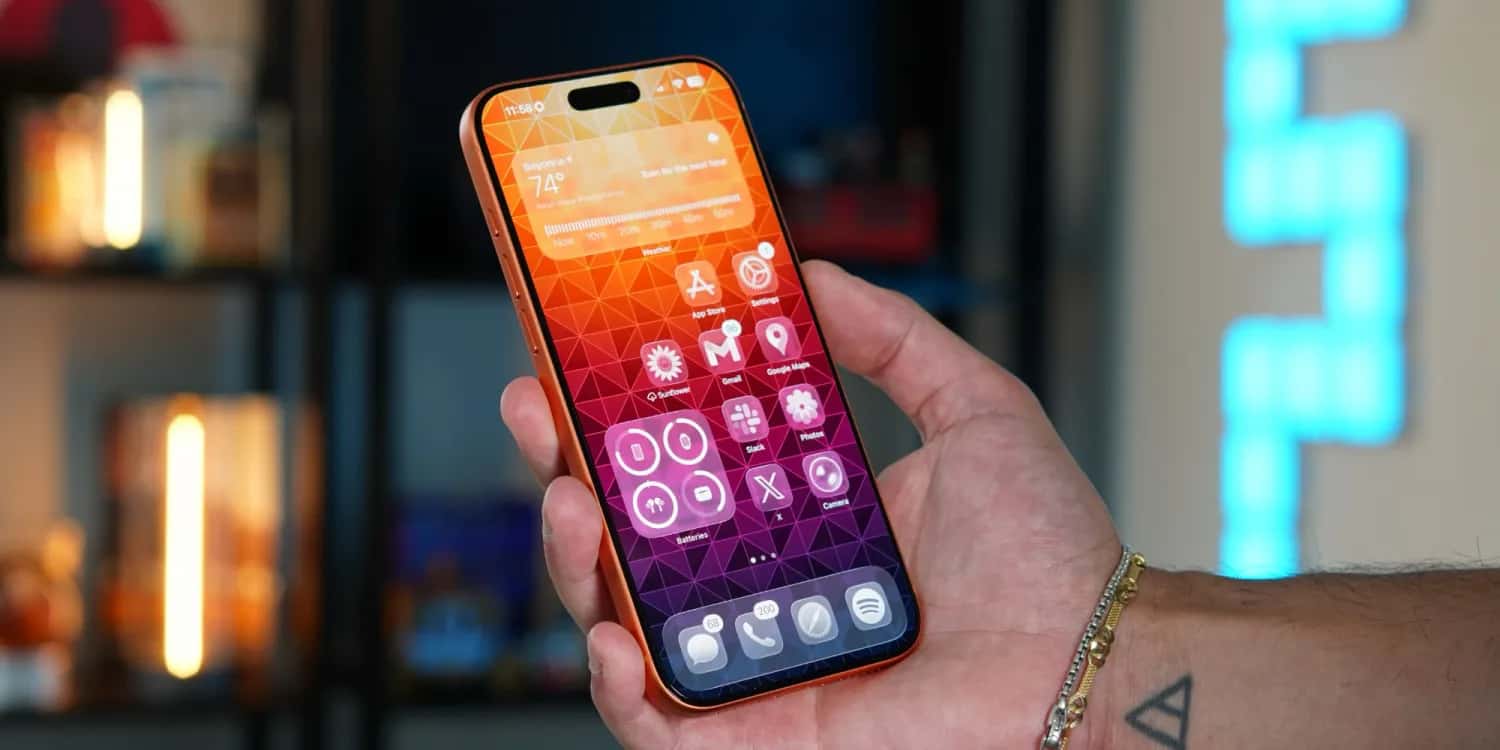
Apple's next Pro iPhones may keep the same sizes but add LTPO+ panels and a much smaller Dynamic Island
Apple’s iPhone 18 Pro and Pro Max are expected to retain current screen sizes but add two display upgrades, LTPO+ panels and a smaller Dynamic Island cutout.
The new Dynamic Island is rumored to be about 35% smaller than on the iPhone 17 Pro, while LTPO+ is expected to improve low light flicker control and power efficiency.
Apple debuted Dynamic Island on iPhone 14 Pro in 2022, and this move appears to be the next step toward a cleaner, near full screen front design.
What comes next is less about one model year and more about Apple’s broader display roadmap, with software, component cost, and supply chain execution converging in the Pro line first.
Apple is preparing another incremental but strategically meaningful display update for the iPhone 18 Pro and Pro Max. The flagship smartphones are expected to keep the same screen sizes as their predecessors, but add two notable changes: a move to LTPO+ display technology and a reduced Dynamic Island cutout. For a company that now extracts premium pricing from execution rather than surprise, this is a classic Apple move, tightening efficiency and industrial design in the Pro tier before any more visible redesign arrives. Sector: Consumer Electronics.
The LTPO+ shift matters because it improves the mechanics behind the display experience rather than simply changing what users can see in a showroom demo. Conventional LTPO already powers Apple’s Always On and ProMotion features, but LTPO+ extends oxide usage from switching thin film transistors to driving thin film transistors as well. In practical terms, that should allow finer current control for OLED light emission, more responsive adjustment to surrounding conditions, reduced flickering in low light, and lower battery cost for the same premium screen behavior.
The second change is more visible. The Dynamic Island on iPhone 18 Pro and Pro Max is expected to shrink by about 35% compared to the iPhone 17 Pro, opening up slightly more usable display area. Apple introduced the Dynamic Island on the iPhone 14 Pro in 2022, and while the software layer around Live Activities and system alerts has become richer, the physical cutout itself has remained unchanged so far. This is why the rumored reduction reads less like cosmetic cleanup and more like a staged hardware transition toward a cutout free front face.
Key display change: The Dynamic Island on iPhone 18 Pro is rumored to be about 35% smaller than on iPhone 17 Pro.
There is also a cost discipline angle here. Apple’s Pro line has already been linked with rising component costs elsewhere, including a report that memory costs for the iPhone 18 Pro have climbed sharply. In that context, display upgrades that improve user perception without forcing a dramatic chassis change are exactly the kind of product decisions large hardware companies make when they want to preserve premium positioning and manage bill of materials pressure at the same time.
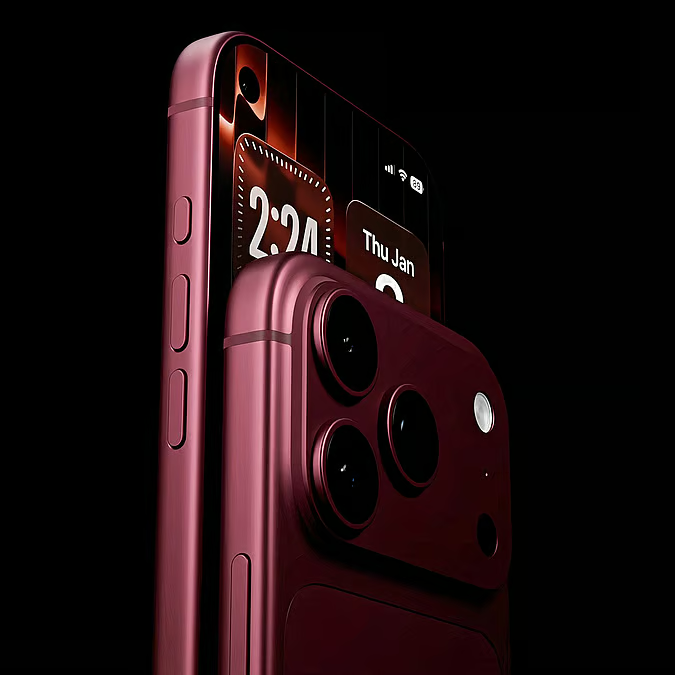
The Illusion of the Unbroken Canvas
By looking past the surface-level rumor of a "smaller notch" and focusing on the underlying strategy of controlled advancement, you perfectly capture how Apple extracts maximum margin from iterative hardware cycles. In the premium smartphone market, execution is the innovation. To push this analysis even further, there is a critical engineering and supply-chain layer connecting the LTPO+ upgrade directly to the 35% reduction in the Dynamic Island that you can weave into the piece.
The Physics of the 35% Reduction
The Dynamic Island isn't shrinking simply because Apple decided to cut less glass; it is shrinking because of a fundamental shift in biometric packaging. To achieve that 35% reduction (dropping the cutout width from roughly 20.7mm to 13.5mm), Apple is reportedly moving the infrared (IR) components of Face ID under the active display area.
This is where the LTPO+ panel becomes more than just a battery-saver. Firing an infrared dot projector and reading the reflection through millions of active OLED pixels without degrading biometric security is incredibly difficult. LTPO+ (which utilizes oxide thin-film transistors for both switching and driving) likely offers the structural uniformity and light transmissivity required to make under-display Face ID viable. The visible cutout that remains will likely house only the front-facing camera.
The Supply Chain Moat
This transition also serves as a brutal supply chain filter. By moving to LTPO+ with under-display IR requirements, Apple is effectively locking out lower-cost, tier-two display manufacturers like BOE, who reportedly struggled with the technical yields for these advanced panels.
By restricting the iPhone 18 Pro and Pro Max panel supply to the duopoly of Samsung Display and LG Display, Apple ensures strict quality control while creating a massive technical moat. Competitors trying to match Apple’s screen-to-body ratio with secure 3D facial recognition will find the supply chain for these specific LTPO+ panels tightly constrained by Apple's procurement scale.
The Software Concealment
Your point about "gradual concealment of hardware complexity behind software continuity" is the defining thesis. Apple turned a hardware defect (a hole in the screen) into a software feature (the Dynamic Island). Now, by shrinking the physical hole by 35%, the software Dynamic Island can collapse into a much tighter footprint when inactive, granting the user a more immersive screen-to-body ratio without Apple having to invent an entirely new UI paradigm.
Why It Matters
My read is that this is part of a broader premium device pattern, not an isolated feature leak. Across smartphones, tablets, and wearables, the innovation cycle has moved from headline hardware reinvention to a quieter race around efficiency, materials, and interface friction. Apple’s own trajectory shows this clearly. The company first used LTPO to support Always On and adaptive refresh rates, then layered software utility onto the Dynamic Island, and is now trimming the hardware intrusion itself. Each step compounds the premium experience without betting the cycle on a single risky redesign.
That pattern also lines up with what we are seeing across adjacent categories. Foldables have pushed brands to treat display engineering as the product, not just a component. OLED suppliers are competing on power efficiency and visual stability, not only brightness. Apple’s Vision Pro also reflects how display quality sits at the center of perceived product intelligence. The front surface is where battery, silicon, sensors, optics, and software all become visible to the user.
Historical marker: Apple debuted Dynamic Island on iPhone 14 Pro in 2022, and the physical cutout has stayed unchanged until this expected reduction.
Better low light flicker handling, tighter power efficiency, and a little more usable display space are not flashy features, but they are features that show up every day. In replacement driven markets, that matters.
What’s Next
The next strategic question is whether Apple can keep making the cutout smaller while preserving Face ID performance and front camera quality. A 35% reduction is meaningful, but it is also an intermediate step. The likely path from here is the one Apple has followed elsewhere, which is gradual concealment of hardware complexity behind software continuity. If iOS is already hinting at the new size through Siri’s design language, it suggests the company is treating the front display as a long arc product problem, not a one year industrial tweak.
There is a supply chain readthrough as well. New panel processes tend to arrive first in premium variants because they carry the highest margin cushion and the lowest shipment risk relative to the broader lineup. If LTPO+ lands smoothly on the iPhone 18 Pro and Pro Max, it sets up a familiar Apple playbook where the technology matures at the top before trickling across more models over time. That is how Apple has historically handled display transitions, from ProMotion to OLED prioritization.
Seen in the broader category trend, Apple is competing less on novelty and more on controlled advancement. Samsung’s Galaxy Ultra line has long used display leadership as a premium moat, while Google’s Pixel Pro family has pushed AI centric software experiences over front face redesign. Chinese flagship brands such as Xiaomi and Vivo have also used narrow bezels, under display experimentation, and aggressive panel tuning to move the high end conversation. The iPhone 18 Pro and Pro Max updates fit that same market logic, but in Apple’s measured cadence: improve efficiency, reduce intrusion, preserve familiarity, and keep the Pro tier a step ahead without overextending the product story.
That is why these rumored changes deserve more attention than their surface simplicity suggests. The iPhone 18 Pro and Pro Max are not just getting a better display. Apple appears to be refining one of the few remaining premium smartphone battlegrounds where hardware, software, and unit economics still intersect in a way consumers can feel. In a market where dramatic smartphone reinvention is rare, that kind of execution is often what wins the cycle.
Frequently asked questions
What display upgrades are rumored for the iPhone 18 Pro and Pro Max?
The iPhone 18 Pro and Pro Max are rumored to get two main display upgrades: LTPO+ panels and a smaller Dynamic Island. The report says screen sizes should stay the same, while power efficiency and the visible cutout could improve.
Will the iPhone 18 Pro have a smaller Dynamic Island?
Yes, current rumors suggest the Dynamic Island on the iPhone 18 Pro models could be about 35% smaller than the iPhone 17 Pro. That would give users more usable screen space and make the front design look cleaner.
What is LTPO+ and why does it matter on the iPhone 18 Pro?
LTPO+ is expected to be an upgraded display technology that improves power efficiency and helps with low-light flicker control. In practical terms, that could mean better battery performance and a more comfortable viewing experience in dim conditions.
Are the iPhone 18 Pro and Pro Max getting bigger screens?
No, the latest report says Apple is expected to keep the current screen sizes on the iPhone 18 Pro and Pro Max. The changes appear to focus on display quality and design refinement rather than larger panels.
When will Apple announce the iPhone 18 Pro and Pro Max?
The article points to new details arriving next week, but Apple has not officially confirmed the iPhone 18 Pro announcement date in this report. Based on Apple's usual pattern, major iPhone launches are typically revealed during its fall event season.
Why is a smaller Dynamic Island important on future iPhones?
A smaller Dynamic Island matters because it reduces the amount of screen area taken up by the front camera and sensors. That can improve immersion for video, gaming, and everyday use while keeping Apple's interactive notification system in place.